
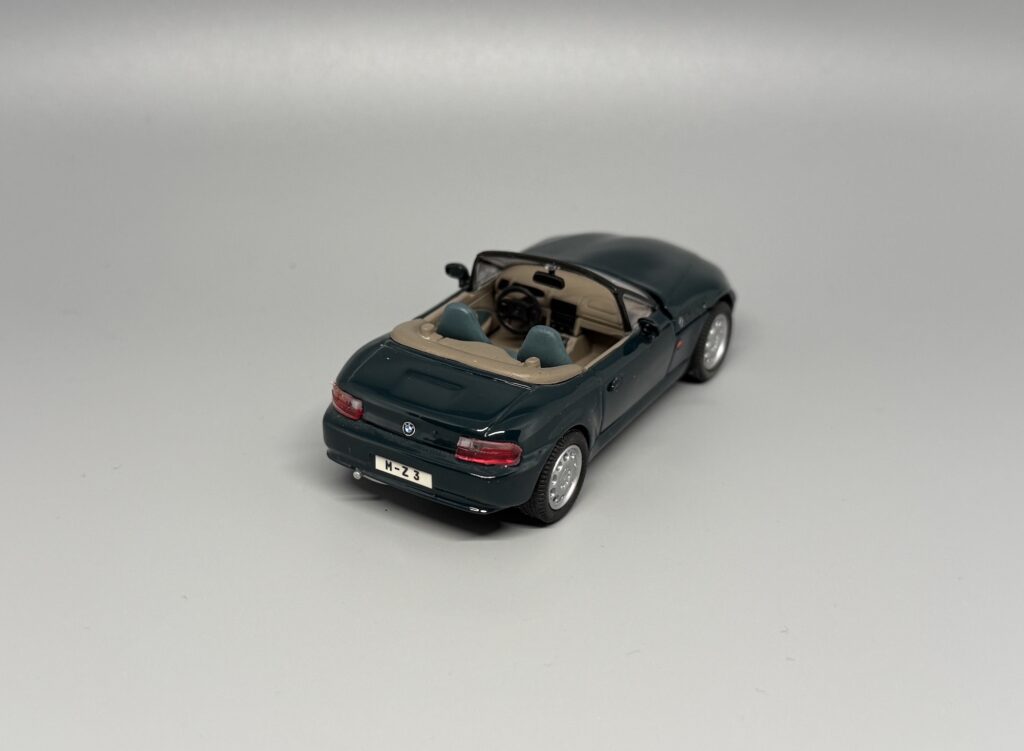
Background
BMW Z3 Roadster (E36/7) was the second model in BMW’s Z Series and the car that brought the two-seat BMW roadster concept to a much wider audience than the limited-production Z1. Production began in September 1995, and the Z3 quickly became one of BMW’s best-known sports cars of the 1990s. Its long bonnet, set-back passenger compartment and rear-wheel drive gave it traditional roadster proportions, while its links to the 3 Series allowed BMW to make use of proven mechanical components.
E36 engineering in a new form
The Z3 was partly based on the BMW E36 3 Series. Its shortened floor structure and elements of the chassis were derived from the 3 Series Compact, while the open two-seat body was entirely new. The car was styled by Joji Nagashima. Compact dimensions, relatively low weight and rear-wheel drive gave the Z3 responsive handling while retaining the everyday usability expected from a BMW.
James Bond and GoldenEye
The Z3 became internationally famous even before its conventional market launch. In the 1995 James Bond film GoldenEye, Pierce Brosnan’s Bond drove a blue BMW Z3. The appearance became a highly successful part of BMW’s launch campaign and generated enormous attention for the new roadster before it reached customers in large numbers.
From four cylinders to straight-six power
During its production life, the BMW Z3 Roadster was offered with a broad range of petrol engines. Early models used four-cylinder units, while BMW later added its characteristic straight-six engines. Power in the regular non-M versions ranged from approximately 115 hp to 231 hp, the latter produced by the 3.0-litre Z3 3.0i. The model family also included the considerably more powerful Z3 M Roadster.
The 1999 model update
The Z3 received a significant update in 1999. The most visible changes were at the rear, where wider wings and redesigned rear lights gave the car a more muscular appearance. The interior and engine range were also revised. These changes kept the Z3 fresh and competitive until the end of production.
Built in the United States
The Z3 was manufactured at BMW Plant Spartanburg in South Carolina. It was the first BMW model to be produced entirely outside Germany. Building the Z3 in the United States represented an important step for BMW, while the roadster’s success helped establish Spartanburg as one of the company’s most important production locations.
The breakthrough of the Z Series
Production of the BMW Z3 continued from September 1995 until July 2002. Commonly documented production figures list 279,273 Z3 Roadsters, in addition to 17,815 Coupés. The success of the Z3 firmly established the Z Series as a permanent part of the BMW range and paved the way for its successor, the BMW Z4.
Model in the collection
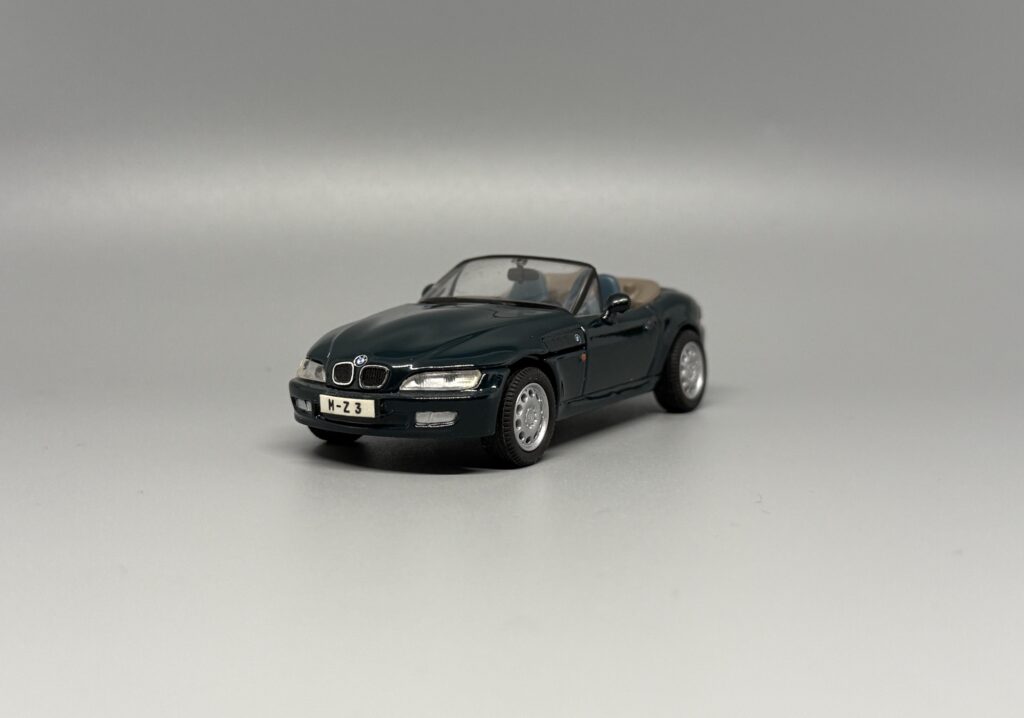
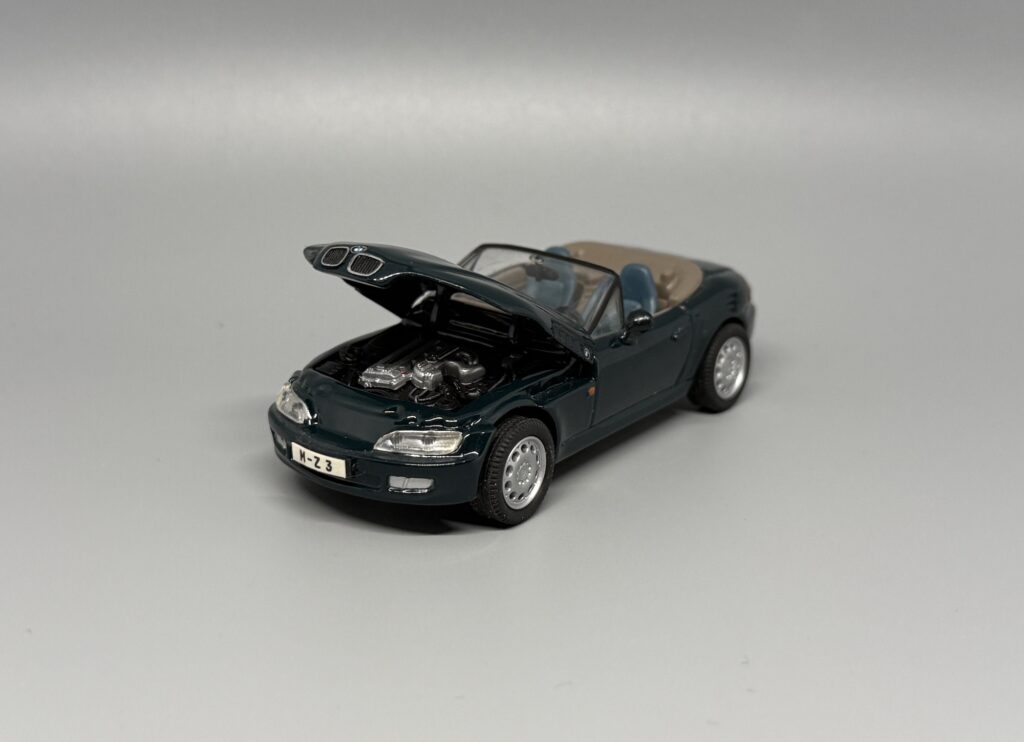
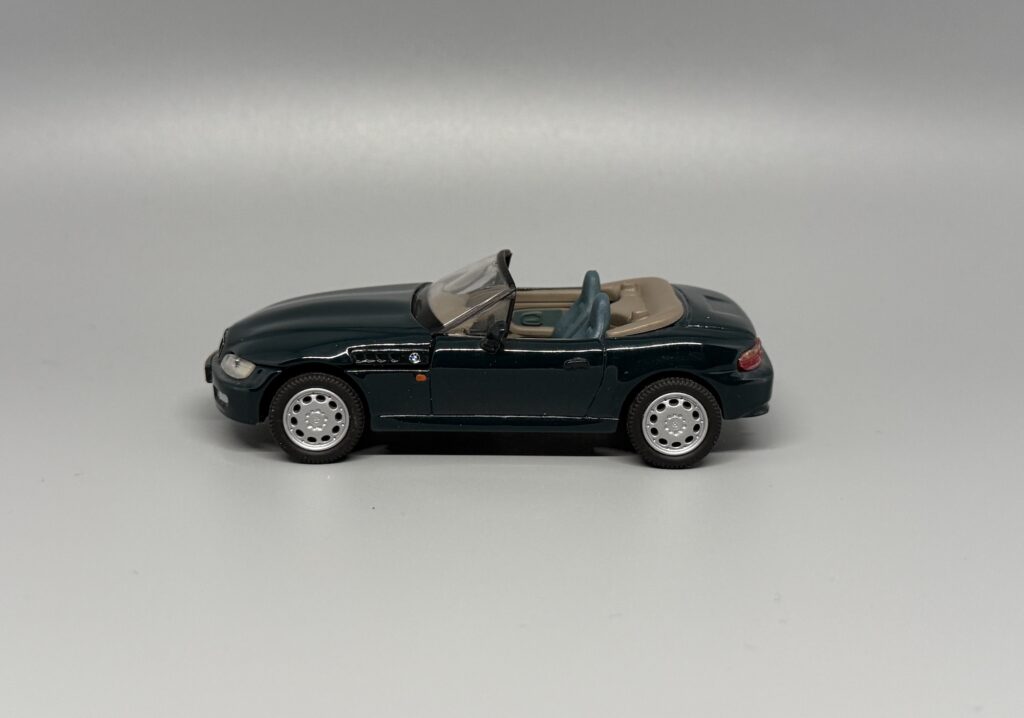
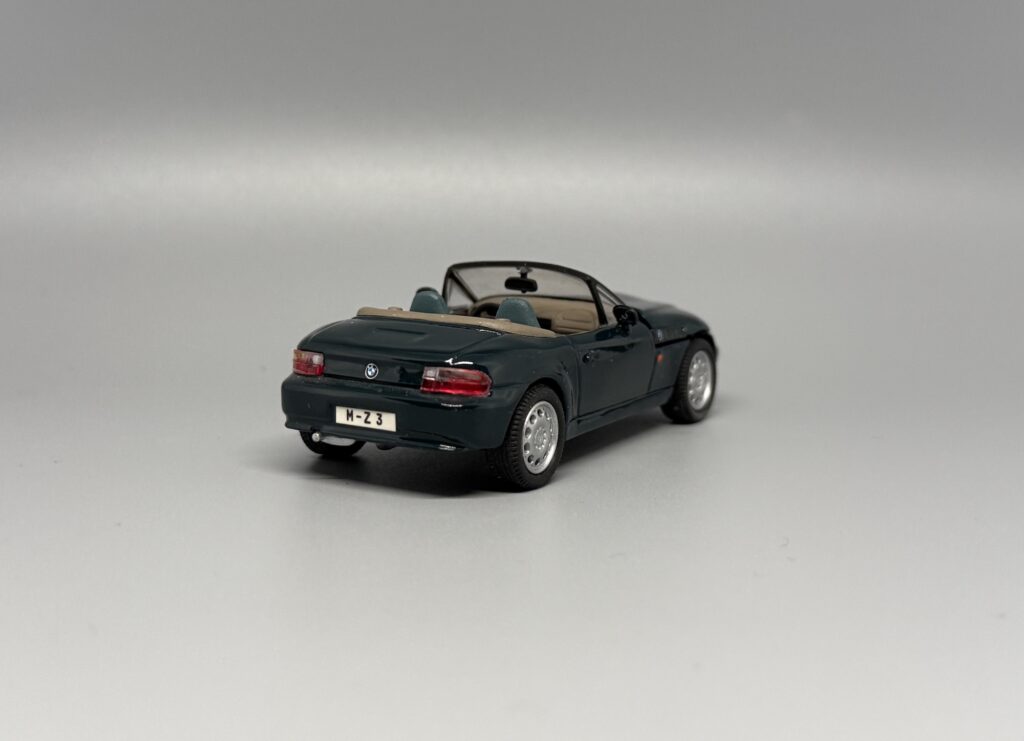
The BMW Z3 Roadster (E36/7) in my collection was produced by Schuco.
Technical data in brief
Production period: September 1995 – July 2002
Production location: BMW Plant Spartanburg, South Carolina, USA
Body style: two-seat roadster
Engines: four- and six-cylinder petrol engines
Power: approximately 115–231 hp in regular non-M versions
Drivetrain: rear-wheel drive
Z3 Roadster production: 279,273 cars
Total Z3 model-family production: approximately 297,000 cars
Design: Joji Nagashima
Special feature: the first mass-produced BMW Z Series roadster and the first BMW model produced entirely outside Germany
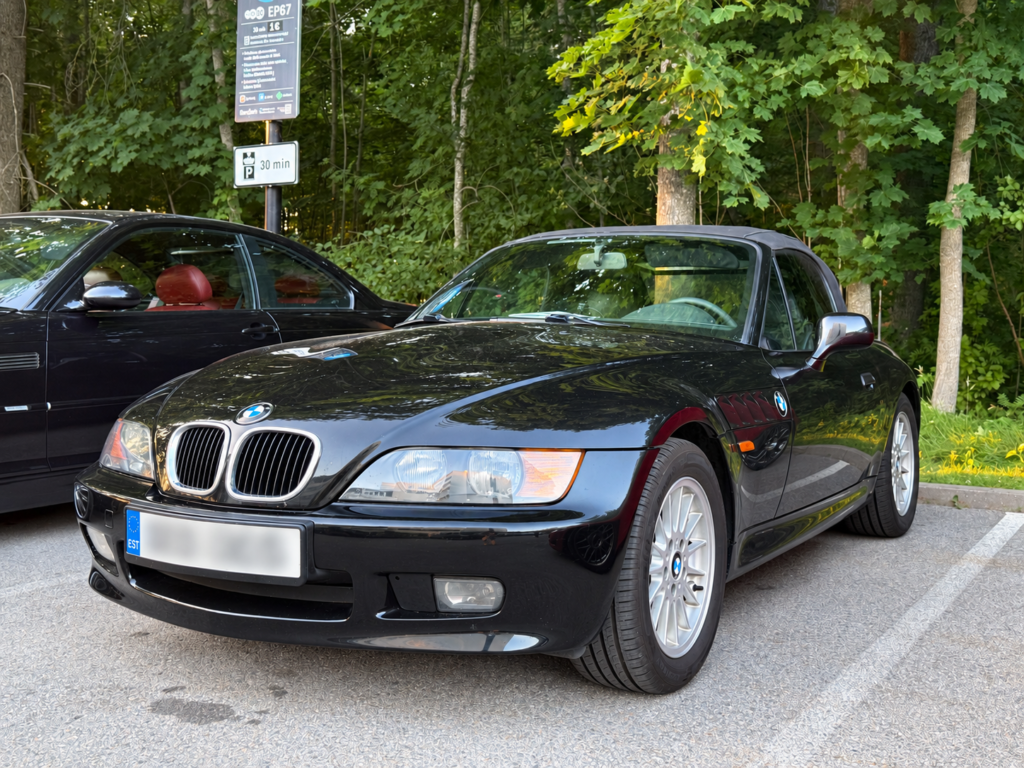
Photo of the real car. Photo: Sten-Patrick Kreek