Return to BMW Model Series

BMW X Series

The X Series brings together BMW’s higher-bodied models, combining everyday practicality, greater spaciousness and the driver-focused character that is so typical of the brand. Since the launch of the first X5, the BMW X Series has become one of the most important parts of the marque’s model range, introducing both luxurious SAV models and more sporting X models into the BMW world. While the X Series initially represented BMW’s entry into a new market segment, over time it has developed into a complete model family of its own, playing a central role in both the brand’s commercial success and its identity.

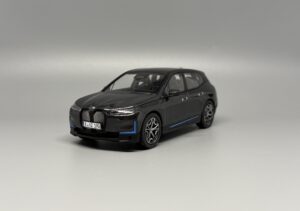
The X Series reflects very well how BMW has combined a higher seating position, greater usability, all-wheel drive and technological development with a sporting driving feel. Within this model family, cars of different size, character and purpose come together – from more compact SUVs to luxurious flagships. Over the years, the X Series has also moved into the world of electric mobility, something illustrated especially clearly by the BMW iX, a model that takes the X Series idea into a new era by combining a higher body, luxury and a fully electric powertrain.

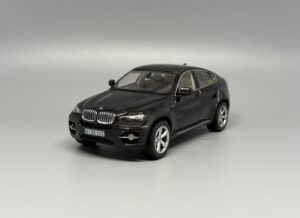
This page presents different BMW X Series models, ranging from the earliest generations of the X5 and X3 to later models such as the X1, X4 and X6, including more unusual prototypes, limited editions and high-performance versions. Together, these models provide a good overview of how BMW has shaped the X Series into a diverse and important model family in which practicality, technical development and the brand’s characteristic sportiness go hand in hand.

Click on the model image or name to open the gallery and description
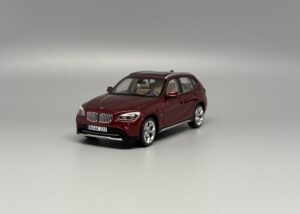
BMW X1 (E84)

Background BMW X1 (E84) was the first generation of the X1 and the model that brought BMW’s X Series into the premium compact SUV segment for the first time. It made its world premiere at the Frankfurt Motor Show in 2009 and went on sale later that year. The X1 combined an elevated seating position, …

BMW X3 3.0i (E83)

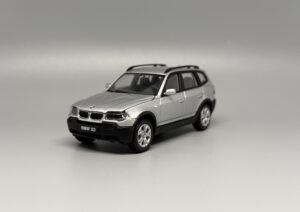
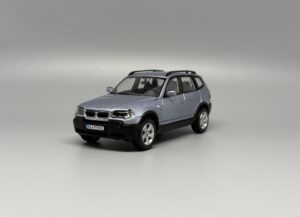
Background BMW X3 3.0i (E83) was the most powerful petrol version in the original first-generation X3 range. BMW presented the X3 family at the Frankfurt Motor Show in 2003, with sales beginning in early 2004. The new model joined the existing X5 as a smaller and sportier alternative, combining an elevated driving position and practical …

BMW X3 3.0d (E83)

Background BMW X3 3.0d (E83) was part of the original first-generation X3 range, combining the practicality of a sporting SUV with a powerful six-cylinder diesel engine. BMW unveiled the X3 family at the Frankfurt Motor Show in 2003, with sales beginning in 2004. More compact than the X5, the X3 introduced BMW’s X Series to …

BMW X3 (F25)

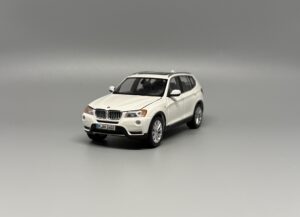
Background BMW X3 (F25) was the second generation of the X3 and represented a significant step forward for BMW’s mid-size Sports Activity Vehicle. Unveiled at the Paris Motor Show in 2010, it went on sale later that autumn. Compared with the first-generation E83, the new X3 was larger, more spacious and more comfortable while retaining …

BMW X4 (F26)

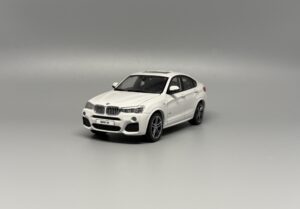
Background BMW X4 (F26) was the first generation of the X4 and the model that brought BMW’s Sports Activity Coupé concept to the premium mid-size segment. Introduced in the spring of 2014, the new X4 combined the technical foundations of the BMW X3 with a sporting coupé-style body inspired by the larger X6. The result …

BMW X5 4.4i (E53)

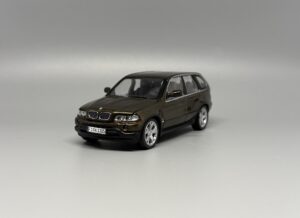
Background BMW X5 4.4i (E53) was the original version of BMW’s first X model and the car that introduced the brand to an entirely new market segment in 1999. The X5 made its world premiere at the Detroit Motor Show in January, with production and sales beginning that September. BMW deliberately called the new model …

BMW X5 3.0d (E53)

Background BMW X5 3.0d (E53) was the only diesel version of the first-generation X5 and an important addition to the range of BMW’s first Sports Activity Vehicle. The X5 was introduced in 1999, with the diesel version reaching European customers in 2001. It combined the practicality and luxury of a large SAV with the efficiency …

BMW X5 Le Mans (E53)

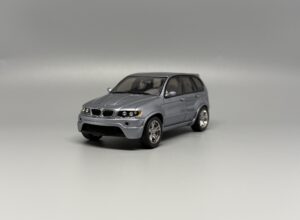
Background BMW X5 Le Mans (E53) was a unique experimental vehicle presented in 2000 to demonstrate the extraordinary technical potential of BMW’s first Sports Activity Vehicle. The project was not intended to create a new production model but to explore the ultimate performance and dynamic capabilities of the X5. BMW combined the body of the …

BMW X5 4.8i (E70)

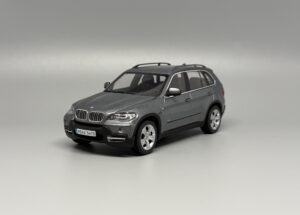
Background BMW X5 4.8i (E70) was the most powerful version in the original second-generation X5 range. Unveiled at the Los Angeles Motor Show in November 2006, the new X5 was larger, more spacious and considerably more advanced than its E53 predecessor. The V8-powered 4.8i combined the practicality of a luxury Sports Activity Vehicle with the …

BMW X5 xDrive30d (F15)

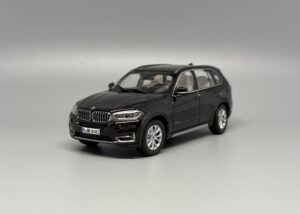
Background BMW X5 xDrive30d (F15) was one of the key diesel versions of the third-generation X5, combining the practicality of a large luxury Sports Activity Vehicle with the performance and efficiency of a six-cylinder diesel engine. The new X5 was unveiled in May 2013, with production beginning that August. Compared with its predecessor, the F15 …

BMW X6 xDrive50i (E71)

Background BMW X6 xDrive50i (E71) was the most powerful version in the original first-generation X6 range and the car that introduced BMW’s entirely new Sports Activity Coupé concept. The X6 made its world premiere at the Detroit Motor Show in January 2008, with European sales beginning that May. The new model combined the powerful presence …

BMW iX (I20)

Background BMW iX (I20) marked an important step in BMW’s development of electric mobility. Designed from the outset as a fully electric vehicle, the iX combined the luxury Sports Activity Vehicle concept with a new generation of electric drive technology, digital innovations and advanced materials. Its design was first revealed in November 2020, with series …