Post-War BMW (1951-1962)
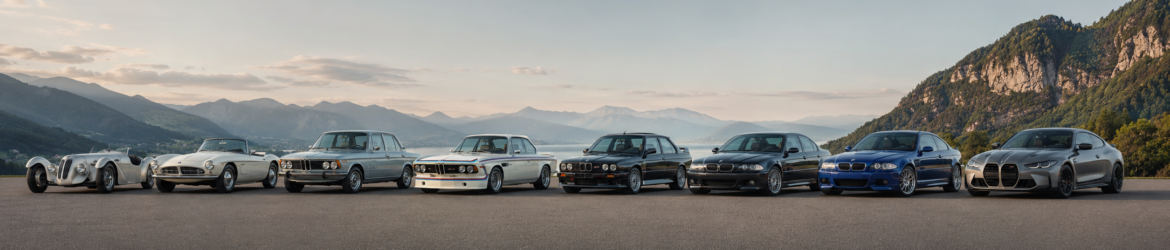
Post-War BMW (1951–1962) brings together the period in which BMW resumed car production after the war and began rebuilding the brand’s identity through luxury, innovation and distinctive design. The era began with the introduction of the BMW 501 in 1951, marking BMW’s return to passenger car production and its immediate re-entry into the luxury segment. It was with this model that the first major chapter of BMW’s post-war automotive history began, as the company sought prestige, technical self-confidence and economic survival at the same time.
The models of this period show very clearly how diverse and exploratory BMW was during the 1950s. On one side were the dignified and prestigious 501, 502 and later larger six-cylinder and V8 models, emphasizing elegance, comfort and status. On the other side, the same decade also brought much smaller and very different vehicles such as the Isetta and the BMW 600, which were crucial for the company’s economic survival. Toward the end of the era, the 3200 CS added a clear grand touring dimension to the story, introducing an elegant coupé line and pointing toward BMW’s future development. In this way, the period reflects BMW’s movement from recovery to renewed confidence.
This page presents different aspects of post-war BMW, ranging from the luxury models of the 501 family to the small Isetta and 600, and onward to the 3200 CS Coupé. Taken together, these models represent the era in which BMW searched for its place in a new Europe and established many of the qualities that would continue to define the brand: technical ambition, distinctive design and the desire to offer something more than simple transportation.
Click on the model image or name to open the gallery and description.
Background BMW 501 marked the true restart of BMW automobile production after the Second World War and the company’s return to the large luxury-car segment. A prototype was first presented at the 1951 Frankfurt Motor Show, but difficult economic conditions and problems associated with preparing production delayed series manufacture until late 1952. The BMW 501 …
Background BMW 502 represented a major technological step forward for BMW during the 1950s and took the company’s post-war luxury-car production to a new level. The model was presented at the 1954 Geneva Motor Show, with series production beginning in September of the same year. The BMW 502 was based on the BMW 501 introduced …
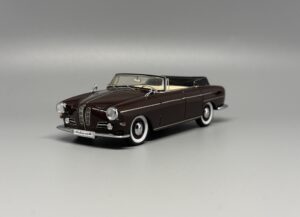
Background BMW 502 Convertible by Autenrieth represented one of the most exclusive and handcrafted expressions of BMW’s model range during the 1950s. The car was based on the technical platform of the BMW 502, but its two-door open body was built by the renowned German coachbuilder Autenrieth of Darmstadt. While the standard BMW 502 was …
Background BMW 3.2 Super Convertible by Autenrieth was one of the rarest and most exclusive luxury BMWs of the late 1950s. The car was based on the technical platform of the BMW 502 model family, but its two-door open body was built by the independent German coachbuilder Autenrieth of Darmstadt. While the standard BMW 502 …
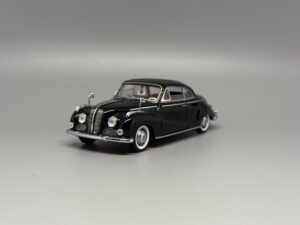
Background BMW 502 Coupé was one of the most exclusive BMW models of the 1950s and an extremely limited-production special model in the company’s post-war range. The car was based on the BMW 502 luxury saloon but received a hand-built two-door coupé body that gave the large “Baroque Angel” a considerably more elegant and individual …
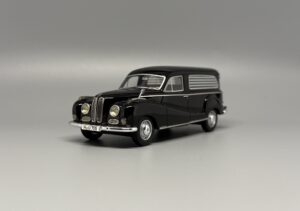
Background BMW 501 Hearse by Bierhake is one of the most unusual special-purpose vehicles created on the basis of the BMW 501/502 model family. The car did not leave the BMW factory as a hearse, but began its life as a conventional BMW 501 luxury saloon and was later converted by the independent German coachbuilder …
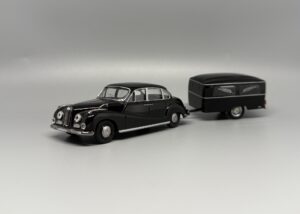
Background BMW 502 with Westfalia funeral trailer is an unusual combination in the collection, bringing together one of the best-known German luxury saloons of the 1950s with a type of funeral trailer once used in Germany. This was not an official BMW special version or a factory-built hearse, but a Schuco model set that provides …
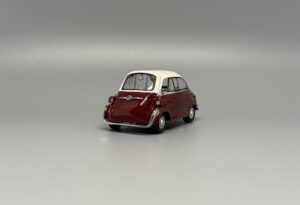
Background BMW Isetta 250 Standard is one of the most recognisable and at the same time most important small cars in BMW history. In the mid-1950s, BMW was in a difficult financial situation and needed an affordable model that could be sold in far greater numbers than the expensive BMW 501, 502, 503 and 507 …
Background BMW Isetta 250 Export was one of the models that played a much greater role in BMW’s history than its modest dimensions might suggest. At a time when BMW’s range was dominated by expensive luxury cars built in relatively small numbers, the company needed an affordable vehicle that could be sold in much larger …
Background BMW 600 was BMW’s attempt to develop the successful Isetta concept into a small but more practical vehicle capable of carrying four people. Introduced in 1957, the car occupied a position in BMW’s range between the Isetta and conventional larger passenger cars. Its appearance and several construction details clearly reflected its Isetta origins, but …
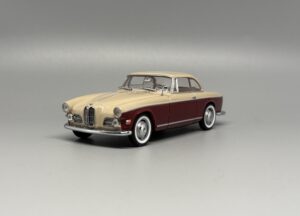
Background BMW 503 Coupé was one of the most elegant and exclusive German luxury cars of the 1950s. BMW presented the model to the public at the Frankfurt IAA in September 1955, where the 503 was one of the company’s major new models alongside the new BMW 507 Roadster. Both cars reflected BMW’s ambition to …
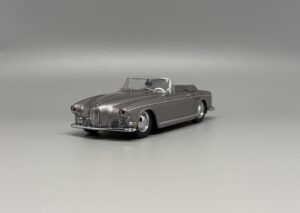
Background BMW 503 Cabriolet was one of the most exclusive German luxury cars of the 1950s and the open version of BMW’s elegant 503 Gran Turismo model. BMW presented the 503 Coupé and Cabriolet to the public at the Frankfurt Motor Show in September 1955, where the BMW 503 appeared alongside the new BMW 507 …
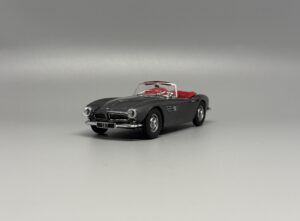
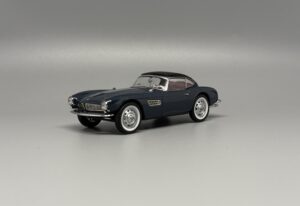
Background BMW 507 Roadster is one of the most legendary and exclusive sports cars in BMW history. Introduced in 1955 and shown at the Frankfurt IAA that same year, the open two-seater was intended to strengthen BMW’s position in the international luxury-car market, particularly in the United States, where European sports cars were attracting increasing …
Background BMW 507 Hardtop is based on one of the most famous and elegant sports cars in BMW history. The BMW 507 was created in the mid-1950s with the aim of returning the brand to the international sports-car market and strengthening BMW’s reputation as a manufacturer of dynamic and exclusive automobiles. BMW had already begun …
Background BMW LS was the larger and more spacious development of the BMW 700 model family, introduced in the spring of 1962. The model arrived at a time when BMW had begun to recover from the difficult financial situation of the late 1950s thanks in large part to the success of the BMW 700. The …
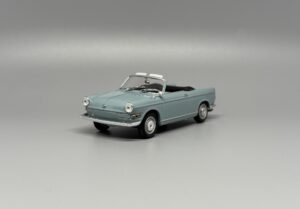
Background BMW 700 Convertible was the most exclusive version of the BMW 700 model family. The open-top model entered production in the autumn of 1961, by which time the BMW 700 had already proved to be an extremely important sales success for the company. While the saloon offered practicality and the Coupé a sportier appearance, …
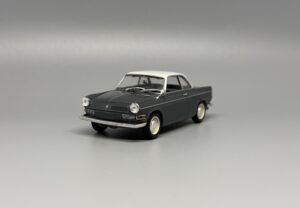
Background BMW 700 Sport was the more powerful and sporting version of the BMW 700 Coupé, introduced in August 1960. By this time, the BMW 700 had already become an extremely important model for the company and was helping BMW recover from the severe financial difficulties of the late 1950s. While the standard Coupé combined …
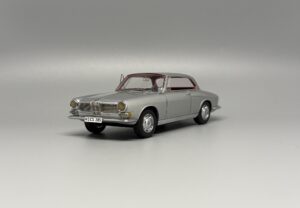
Background BMW 3200 CS Coupé was first presented as a prototype at the 1961 Frankfurt Motor Show and entered series production in 1962. It was the final member of BMW’s post-war V8 model family and combined the engineering of the company’s 1950s luxury cars with a much more modern body design. Production continued until 1965. …