Return to BMW Model Series

BMW 7 Series

The BMW 7 Series has, for decades, represented the very top of BMW’s model range, embodying the brand’s idea of luxury, technological progress and a prestigious driving experience. From the E23 generation introduced in 1977 onwards, the 7 Series became the model through which BMW first introduced many of its most innovative solutions in the luxury segment. It was a car created for those who wanted not only comfort, but also a driver-focused feel, because unlike many of its competitors, the 7 Series has always aimed to combine the dignity of a flagship sedan with BMW’s characteristic driving dynamics.

Over the years, the 7 Series has evolved from classically styled luxury sedans into increasingly advanced and technologically sophisticated models. The development of this model family reflects BMW’s wider history very well, as it includes elegant and restrained generations, the powerful flagship models of the V8 and V12 era, and today’s plug-in hybrid and fully electric versions. While earlier 7 Series models placed greater emphasis on traditional luxury and large-displacement engines, the newest generations clearly show how BMW has moved this model line toward a more digital, more sustainable and even more exclusive future.

This page presents the development of the 7 Series from its beginnings to the present day, from the classic luxury sedans of the E23 generation to the modern BMW i7. In this way, it becomes clear how the 7 Series has remained BMW’s flagship model through different eras, changing in form and technology while preserving its central role as the brand’s luxurious and innovative standard-bearer.

Click on the model image or name to open the gallery and description
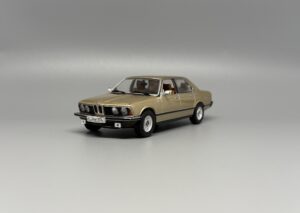
BMW 733i (E23)

Background BMW 733i (E23) was the original flagship of the first-generation BMW 7 Series and marked the beginning of a new chapter in the company’s luxury saloon history in 1977. The E23 succeeded the earlier E3 model family and established the 7 Series as BMW’s new flagship range. The original line-up consisted of the 728, …

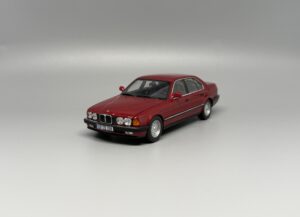
BMW 7 Series (E32)

Background BMW 7 Series (E32) was the second generation of BMW’s flagship luxury saloon, introduced in September 1986. Replacing the earlier E23, the new model represented a major step forward in design, comfort and technology. The E32 combined an elegant, aerodynamic body with the sporting handling traditionally associated with BMW, establishing itself as one of …

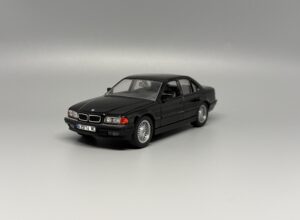
BMW 750i (E38)

Background BMW 750i (E38) was the flagship model of the third-generation BMW 7 Series, introduced in 1994. Replacing the previous E32 generation, the E38 combined more elegant styling with advanced technology and improved ride comfort. Powered by a V12 engine, the 750i represented the pinnacle of BMW luxury saloon engineering while retaining the sporting handling …

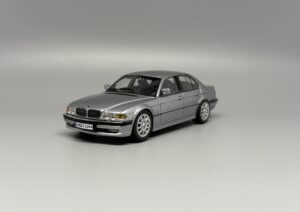
BMW 740d (E38)

Background BMW 740d (E38) was one of the most technically distinctive versions of the third-generation BMW 7 Series. Introduced in 1999, it was the first BMW to feature a twin-turbocharged V8 diesel engine. The 740d combined the comfort and elegant appearance of a luxury saloon with exceptional torque and impressive fuel efficiency for its class. …

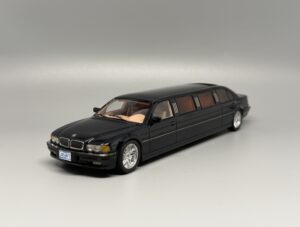
BMW 740d Stretch Limousine (E38)

Background BMW 740d Stretch Limousine (E38) represents an unusual extended luxury limousine based on the third-generation BMW 7 Series. Produced between 1994 and 2001, the E38 was one of BMW’s most elegant flagship models. Its classic design, exceptional comfort and advanced technology also made it a suitable foundation for exclusive special-purpose vehicles. In addition to …

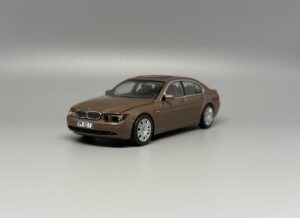
BMW 7 Series (E65)

Background BMW 7 Series (E65) was the fourth generation of BMW’s flagship luxury saloon, introduced in 2001, and represented one of the most significant turning points in the history of the model. Replacing the more conservative E38, the new 7 Series introduced an entirely new design language and a much greater emphasis on electronic technology. …

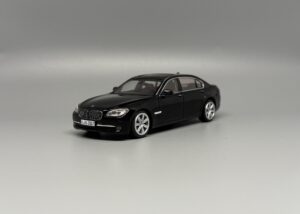
BMW 7 Series (F02)

Background BMW 7 Series (F02) was the long-wheelbase version of the fifth-generation BMW 7 Series introduced in 2008. With a wheelbase extended by 140 millimetres compared with the standard F01, the F02 was aimed particularly at customers seeking additional rear-seat space and a more prestigious character. The new generation combined more restrained styling, exceptional comfort …

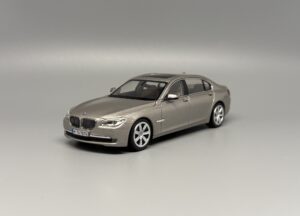
BMW 750Li (F02)

Background BMW 750Li (F02) was the long-wheelbase V8 version of the fifth-generation BMW 7 Series introduced in 2008. The F02 body offered additional space particularly for rear-seat passengers, while the 750Li combined this executive character with a powerful twin-turbocharged V8 engine. It was one of the key models in the original new-generation 7 Series range. …

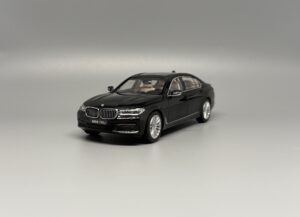
BMW 750Li (G12)

Background BMW 750Li (G12) was one of the most luxurious and powerful versions of the sixth-generation BMW 7 Series, introduced in 2015. The G12 designation identified the long-wheelbase model, offering additional space and comfort for rear-seat passengers compared with the standard G11. The new 7 Series combined elegant styling, innovative lightweight construction and advanced electronics …

BMW i7 xDrive60 (G70)

Background BMW i7 xDrive60 (G70) marked an important turning point in the history of BMW’s luxury saloons. Unveiled in April 2022, the seventh-generation 7 Series was the first to be offered with an all-electric powertrain. The BMW i7 combined the luxury and comfort traditionally associated with the brand’s flagship model with a new generation of …