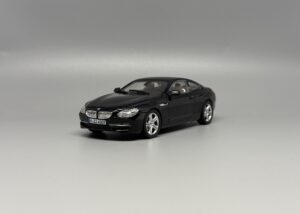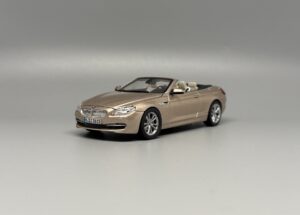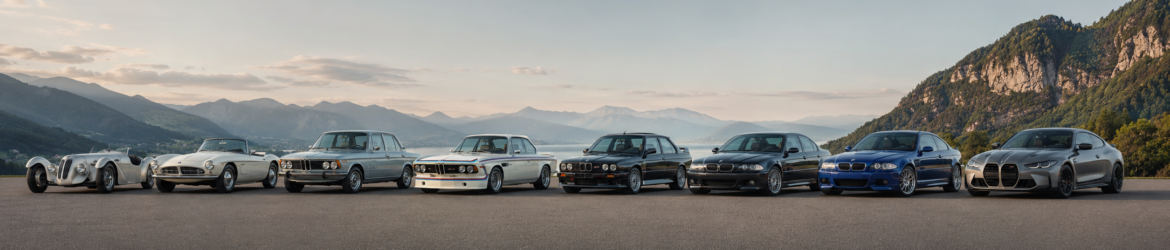
Return to BMW Model Series

BMW 6 Series

The BMW 6 Series represents BMW’s larger and more luxurious coupés and convertibles, bringing together elegant design, powerful engines and long-distance comfort. Since the arrival of the first-generation E24 in 1976, the 6 Series became the model line through which BMW carried its sporty and driver-focused character into the upper grand touring class. While the earlier E9 had laid the foundation for this idea, the 6 Series gave it a distinct name and identity of its own, one that remained an important part of the BMW range for decades.

The models of the 6 Series reflect very well how BMW has combined luxury and sportiness into one complete package. Within this model family, elegant coupés, open convertibles and, in later generations, more modern and technologically richer interpretations all come together. At the same time, the 6 Series is also connected to BMW’s racing history, especially through the E24 generation, whose technical relationship to the legacy of the 3.0 CSL and whose role in BMW’s sporting image of the 1980s are both highly significant. BMW Group Classic also notes that, with its 13-year production run, the E24 became one of the longest-produced BMW models, which underlines the importance of the 6 Series in the marque’s history.

This page presents the development of the BMW 6 Series from the E24 generation to the F12 era. Together, these models form one of the most elegant and at the same time most powerful grand touring lines in BMW history, in which prestige, comfort and sporting character go hand in hand.

Click on the model image or name to open the gallery and description
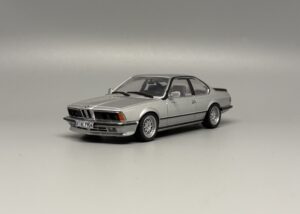
BMW 635 CSi (E24)

Background BMW 635 CSi (E24) was one of the best-known and most successful versions of the first-generation BMW 6 Series. Introduced in 1978, two years after the debut of the E24 6 Series, it remained the flagship of the model range until the arrival of the BMW M635CSi. The 635 CSi combined the comfort and …

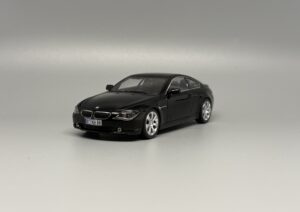
BMW 6 Series Coupé (E63)

Background BMW 6 Series Coupé (E63) marked the return of BMW’s large luxury coupé after a break of more than a decade. Production of the first-generation E24 6 Series had ended in 1989, and the new 6 Series was not introduced until 2003. The E63 was not intended as a direct reinterpretation of the E24, …

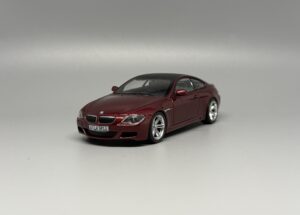
BMW M6 Coupé (E63)

Background BMW M6 Coupé (E63) brought the M6 name back to the BMW model range in 2005 and combined the large luxury 6 Series coupé with some of the most advanced powertrain and chassis technology then available from BMW M GmbH. Its historical predecessor was the BMW M635CSi of the 1980s, which was sold as …

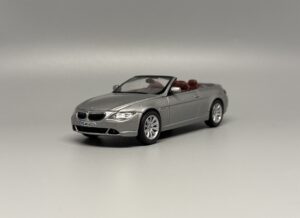
BMW 6 Series Convertible (E64)

Background BMW 6 Series Convertible (E64) reached the market in 2004 and became the first series-production open-top BMW 6 Series. A few months earlier, the E63 Coupé had returned the 6 Series name to the BMW range after a long absence, and the E64 expanded the new model family with a luxurious four-seat Convertible. The …

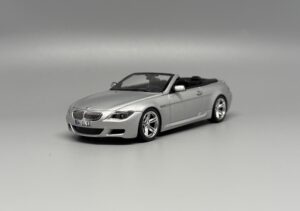
BMW M6 Convertible (E64)

Background BMW M6 Convertible (E64) reached the market in 2006 and expanded the M6 family alongside the BMW M6 Coupé (E63) as an open-top grand tourer. The model was based on the BMW 6 Series Convertible, but BMW M GmbH extensively reworked its chassis, brakes and drivetrain. The result was an unusual combination of a …

BMW 650i Coupé (F13)

Background BMW 650i Coupé (F13) belonged to the third generation of the BMW 6 Series and represented the luxurious V8-powered grand tourer of the range. The F13 Coupé reached the market in 2011 as the successor to the E63 and continued BMW’s tradition of large two-door coupés in a more modern and streamlined form. The …

BMW 650i Convertible (F12)

Background BMW 850i Convertible (E31) is one of the rarest and most fascinating offshoots of the E31-generation 8 Series. It never reached series production, but the project progressed far enough to show that BMW seriously considered adding an open-top grand tourer to its new flagship coupé range. While the BMW 850i launched as a highly …