
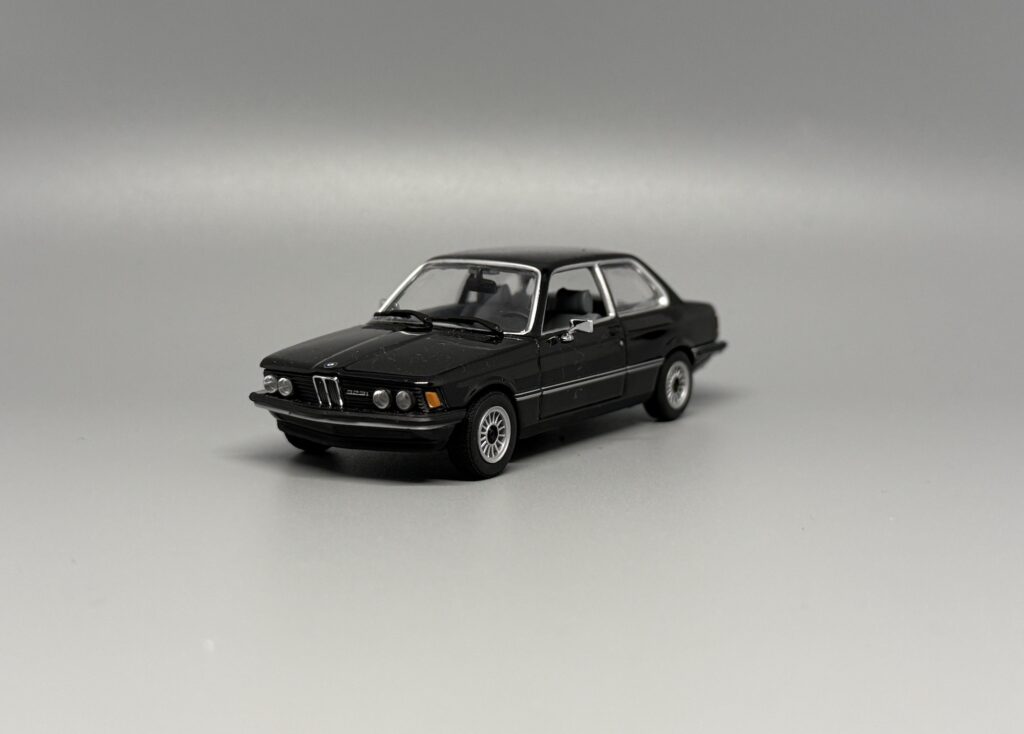
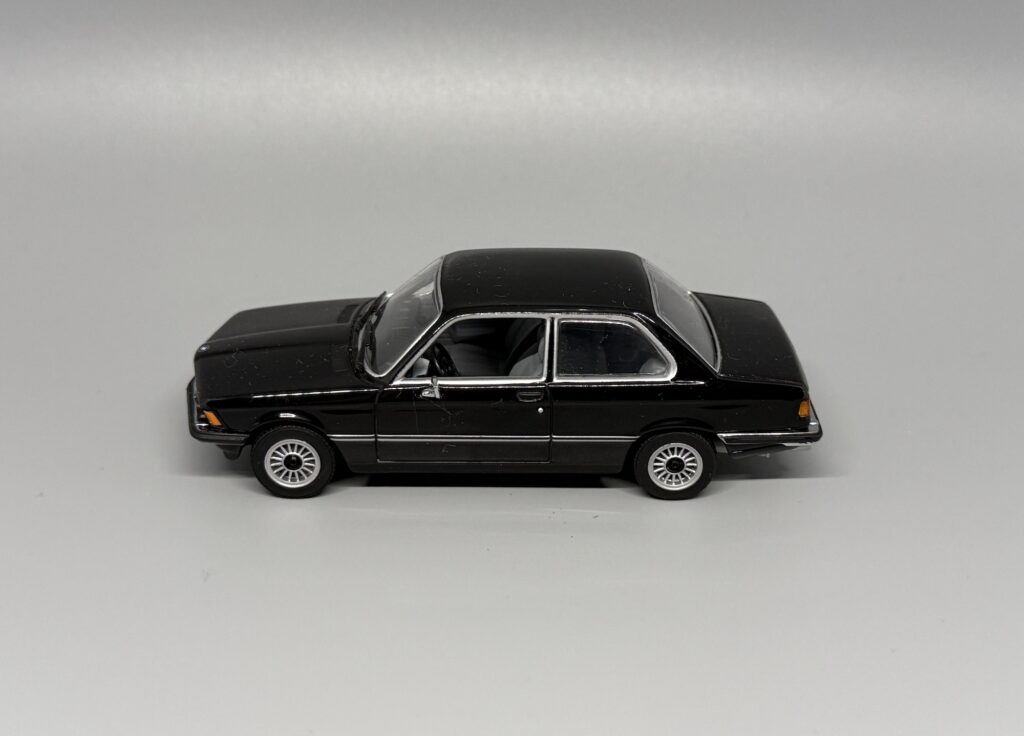
BMW 323i (E21) was the sporting flagship of the first-generation 3 Series and the model that most clearly demonstrated the potential of BMW’s new compact model family. Presented in 1977 and entering production in early 1978, the 323i combined the small and relatively light E21 body with a new 2.3-litre fuel-injected straight-six engine. The result was a fast, refined and distinctly driver-focused car that established many of the characteristics later associated with the BMW 3 Series.
Six cylinders in the compact 3 Series
When BMW introduced the E21 in 1975, the range consisted entirely of four-cylinder models. An important change came at the 1977 Frankfurt Motor Show with the introduction of the new six-cylinder 320/6 and 323i. BMW was bringing six-cylinder power into a compact segment where such engines were still highly unusual among direct competitors.
Of the two, the 323i was clearly the more sporting and powerful version. While the 320/6 used a 2.0-litre carburettor engine, the 323i received a 2.3-litre fuel-injected straight-six and became the new flagship of the E21 range. BMW Group Classic has highlighted how its compact dimensions and agile character recalled the lively and powerful BMW 02 Series models of the 1970s.
The new M20 straight-six
Under the bonnet of the 323i was a new engine from BMW’s M20 six-cylinder family. With a displacement of 2,315 cc, it used Bosch K-Jetronic mechanical fuel injection and produced 105 kW or 143 hp at 5,800 rpm. Maximum torque was 190 Nm at 4,500 rpm.
The M20 was more compact than the larger M30 straight-six used in BMW’s bigger models and was therefore particularly well suited to the smaller engine bay of the E21. At the same time, it retained the smoothness and flexibility traditionally associated with BMW six-cylinder engines. The character of the engine made the 323i not only faster than the four-cylinder E21 models, but noticeably more refined as well.
143 hp and 190 km/h
According to BMW’s historical specifications, the 323i accelerated from 0 to 100 km/h in approximately 9.0 seconds and reached a top speed of 190 km/h. These were impressive figures for a compact two-door sedan in the late 1970s and helped establish the 3 Series as an alternative to larger and more expensive sporting cars.
Power was sent to the rear wheels, while a sporting five-speed manual transmission was also available. Buyers could additionally specify a limited-slip differential, further emphasising the driver’s-car character of the 323i. These options allowed the already quick compact sedan to be configured as an even more focused sporting machine.
Chassis and brakes matched to the performance
The more powerful engine also required changes to the chassis. The 323i was fitted with ventilated front disc brakes and solid rear discs, while less powerful E21 versions generally retained drum brakes at the rear. BMW also adapted the tyres and chassis specification to cope with the additional performance.
The E21’s independent suspension, MacPherson-type front axle and semi-trailing-arm rear suspension already provided a strong foundation for precise handling. Power-assisted steering was also available as an option on the six-cylinder models. Importantly, the additional performance did not alter the fundamental character of the car: the 323i remained compact, relatively light and rear-wheel drive.
Subtle visual differences
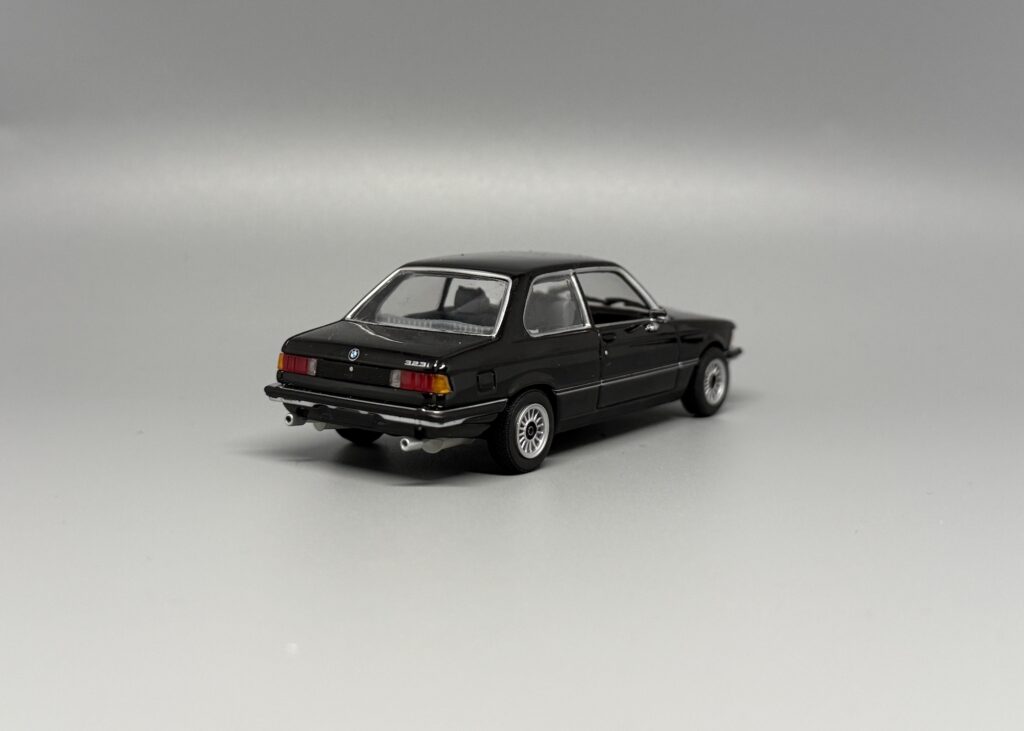
Although the 323i was not dramatically different in appearance from other E21 models, several details made it recognisable. The six-cylinder cars featured a four-headlamp front end, while one of the most distinctive features of the 323i was its exhaust arrangement, with outlets positioned on both sides of the rear of the car.
The overall appearance nevertheless remained relatively discreet. This was part of the appeal of the 323i: beneath the understated body of a compact two-door 3 Series sat BMW’s new straight-six engine and performance that was highly impressive for its time.
The flagship of the E21 range
Production of the 323i continued until 1982, when the first-generation 3 Series began to give way to the E30. Widely used E21 production records list a total of approximately 137,107 examples of the 323i. This made it considerably less common than the principal four-cylinder E21 variants, while still demonstrating the strong demand for the sporting flagship.
The importance of the 323i extends beyond its production total. It established the idea that the smaller 3 Series could combine the refinement and performance of a BMW straight-six with compact dimensions and agile handling. BMW continued the same philosophy with the E30 323i and 325i and with numerous six-cylinder 3 Series models in later generations.
Model in the collection
The 1:43-scale BMW 323i (E21) in my collection was produced by Minichamps. It is a limited edition of 1,200 pieces.
The model represents the most powerful factory version of the first-generation 3 Series and one of the most important early six-cylinder models in the history of the BMW 3 Series.
Technical data
Production: 1978–1982
Production location: Munich, Germany
Body style: two-door sedan
Engine: M20 2.3-litre fuel-injected straight-six petrol engine
Displacement: 2,315 cc
Fuel injection: Bosch K-Jetronic
Power output: 105 kW / 143 hp at 5,800 rpm
Torque: 190 Nm at 4,500 rpm
Drive: rear-wheel drive
0–100 km/h: approximately 9.0 seconds
Top speed: 190 km/h
Brakes: ventilated front discs, rear discs
Production total: approximately 137,107 cars
Special feature: fuel-injected six-cylinder sporting flagship of the E21 range
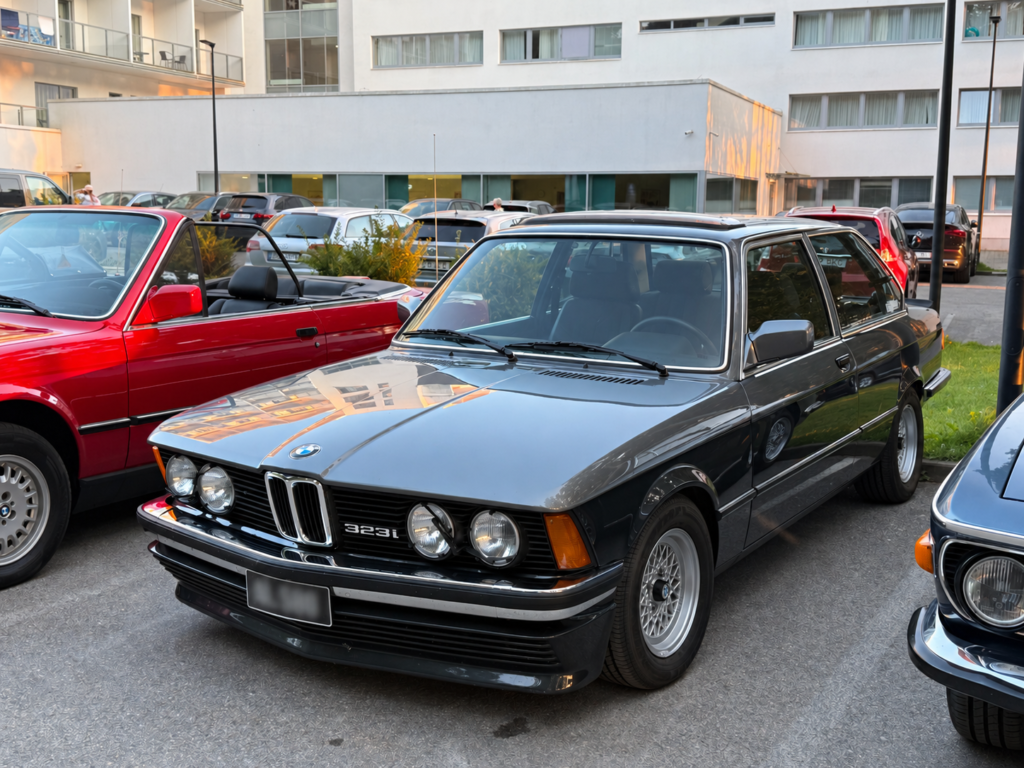
Photo of the real car. Photo: Sten-Patrick Kreek