
Background
BMW KR6, also known as the Stösser-BMW, is one of the most unusual cars in BMW’s pre-war motor racing history. Munich entrepreneur and racing driver Eugen Stösser ordered a racing chassis from BMW in 1933, which became the basis for a unique competition car built for his own use. Entering competition in 1934, the KR6 was neither a conventional BMW production model nor a factory racing car in the modern sense, but a privately initiated one-off project using BMW engineering in a highly unusual form.
A unique racing car
Only one KR6 was built, and its proportions differed substantially from contemporary production BMW models. The engine was positioned behind the front axle to improve weight distribution, effectively giving the car a front-mid-engine layout. Its long, low body and purpose-built construction were shaped primarily by the requirements of motor racing.
1,098 cc and a Zoller supercharger
The KR6 was powered by a 1,098 cc straight-six engine fitted with a Zoller supercharger. Forced induction increased output to approximately 75 hp, an impressive figure for such a small-capacity engine in the mid-1930s. The combination of a six-cylinder engine and supercharger made the KR6 an exceptional machine in BMW’s early competition history.
Ten races
Eugen Stösser competed with the KR6 in a total of ten events during 1934 and 1935. The car appeared in both circuit races and hill climbs, with its competition history including venues such as the Nürburgring and AVUS. One of its most notable achievements was victory in the Ratisbona hill climb in Bavaria. Although Stösser’s small BMW could not generally match the powerful factory machines from Mercedes-Benz and Auto Union, it represented a technically ambitious private racing project.
From racing car to road car
In 1936 Stösser sold the KR6 to a BMW employee named Stiller, beginning the car’s second life. The supercharged racing engine was replaced by a naturally aspirated BMW unit, while mudguards and headlights were fitted to make the car suitable for road use. Stiller continued to use the car until the early 1940s. It subsequently passed through several owners, travelled to the United States and gradually lost its connection with its original racing history.
A forgotten history rediscovered
The car returned to Germany in 2008, although its true identity was still largely unknown. In 2017 it was acquired by Marek Schramm, and research using historical documents and BMW archive material established that it was Eugen Stösser’s former KR6 racing car. Remarkably, the car’s original Zoller supercharger was also rediscovered during the restoration process, allowing the KR6 to be returned as closely as possible to its 1930s competition specification.
The oldest surviving BMW racing car
The KR6 is regarded as the oldest surviving BMW racing car, and its rediscovery attracted considerable attention within the German classic-car community. In 2018 it received the “Goldener Klassiker” award as the find of the year. Its one-off construction, supercharged straight-six engine and extraordinary survival story give the KR6 a unique place in the early history of BMW motorsport.
Model in the collection
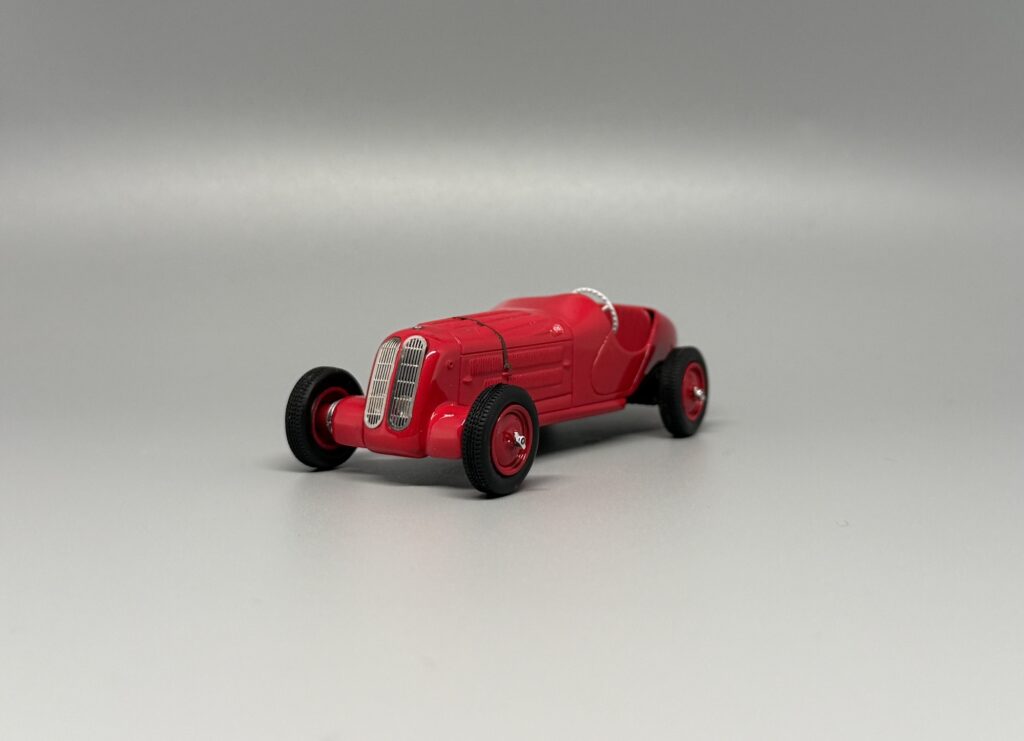
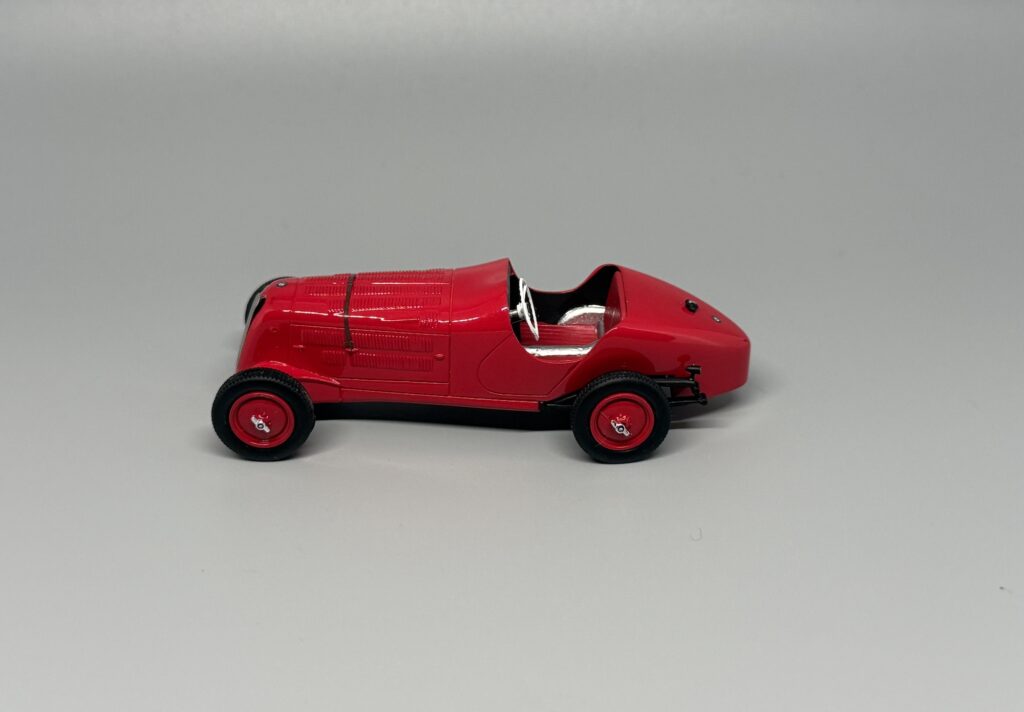
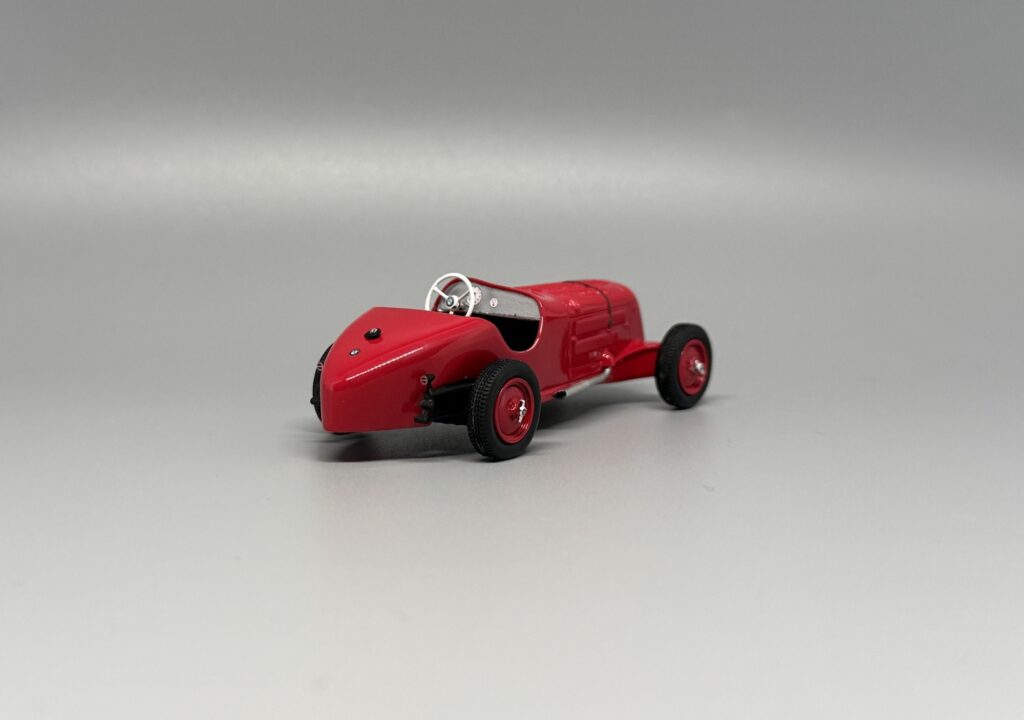
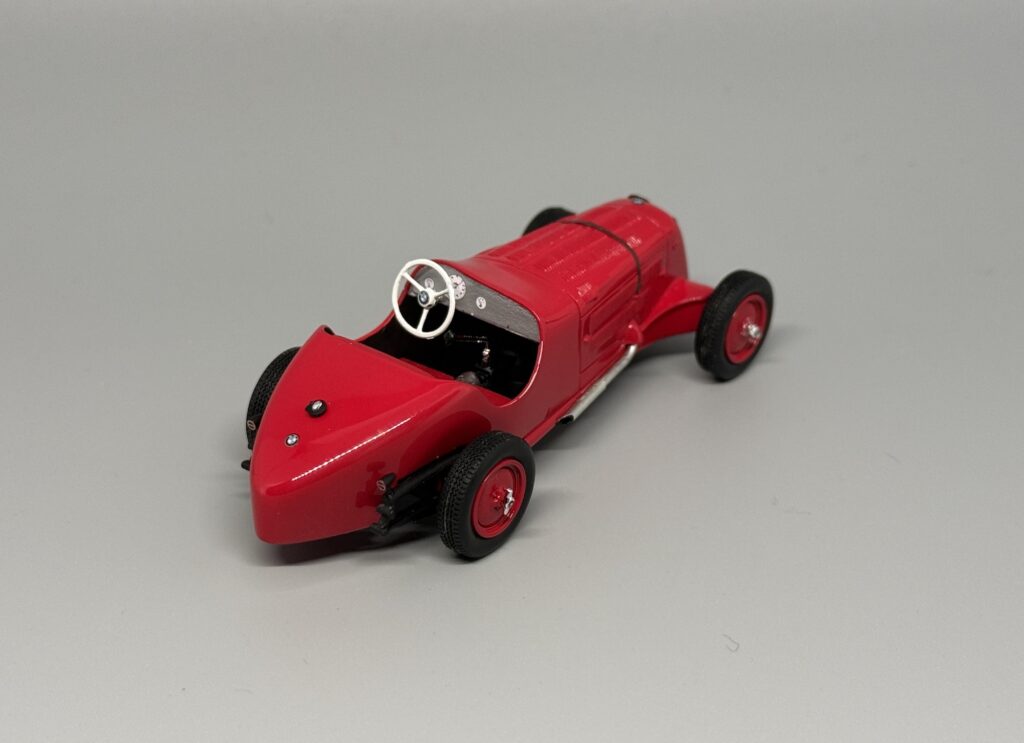
The BMW KR6 in my collection was produced by AutoCult. The model represents the 1934 racing car and comes from a limited production run of 333 examples.
Technical data in brief
Year built: 1934
Body style: racing car
Engine: supercharged straight-six
Displacement: 1,098 cc
Supercharger: Zoller
Power: approximately 75 hp
Engine position: front, behind the front axle
Drivetrain: rear-wheel drive
Competition period: 1934–1935
Races with Eugen Stösser: 10
Production: 1 car
Special feature: unique supercharged racing car commissioned by Eugen Stösser and built on a BMW chassis, regarded as the oldest surviving BMW racing car
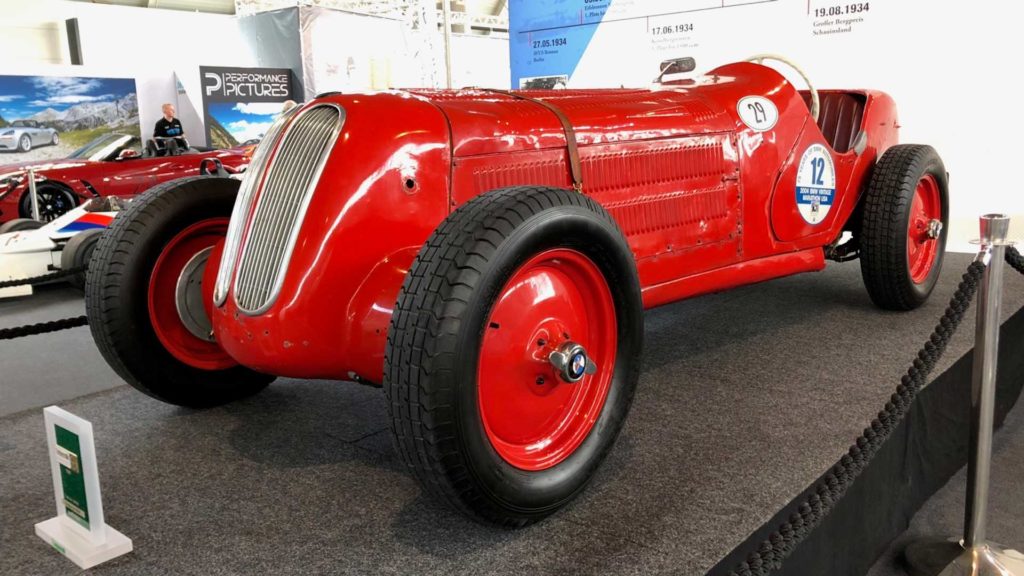
Photo of the real car. Source: bimmerlife.com