
Background
BMW 5 Series Sedan (E39) was the fourth generation of the 5 Series and one of BMW’s most important models of the 1990s. Unveiled at the Frankfurt Motor Show in 1995, the E39 moved the 5 Series to a new level in terms of comfort, build quality and engineering. At the same time, it retained traditional BMW characteristics including rear-wheel drive, a driver-focused interior and a carefully judged balance between sporting handling and long-distance comfort.
Elegant and aerodynamic
The E39 retained traditional BMW proportions but presented them in a smoother and more aerodynamic form. A long bonnet, short front overhang and clearly driver-oriented cabin gave the car a sporting yet distinguished appearance. Twin round headlights positioned behind common glass covers became one of its characteristic details and gave the E39 a distinctly more modern appearance than earlier generations of the 5 Series.
Light-alloy chassis
One of the most important technical innovations of the E39 was the extensive use of aluminium in its chassis. BMW described it as the world’s first volume-produced car with a chassis made almost entirely from light alloy. The reduction in unsprung weight improved both handling and ride comfort and contributed to the balance for which the E39 generation remains highly regarded.
From straight-six to V8
The E39 was initially launched with straight-six engines, with the range later expanding to include diesel and V8 power units. The most powerful regular version was the 540i, whose 4.4-litre V8 produced up to 286 hp. The 520d introduced in 1999 was the only four-cylinder model of the E39 generation. At the top of the model family stood the separate 400 hp M5.
The 2000 model update
The E39 received a substantial model update in 2000. Its most recognisable feature was the introduction of illuminated circular rings around the headlights, a design element that would become one of BMW’s best-known visual signatures for many years. The kidney grille, bumpers and rear lights were also revised, while new straight-six engines joined the range.
A driver-focused executive saloon
One of the E39’s greatest strengths was its ability to combine the comfort and quality of a large executive car with precise handling. Rack-and-pinion steering, a balanced chassis and rear-wheel drive gave it a sporting character, while its high-quality interior, refined ride and effective sound insulation made it equally suited to long-distance travel. This versatility is one of the reasons the E39 remains one of the most highly regarded classic generations of the BMW 5 Series.
More than 1.47 million cars
Production of the E39 Sedan began in 1995 and continued until June 2003, when it was replaced by the next-generation E60. Touring production continued into 2004. According to BMW, a total of 1,470,757 vehicles from the E39 generation were sold, setting a new sales record for the 5 Series at the time.
Model in the collection
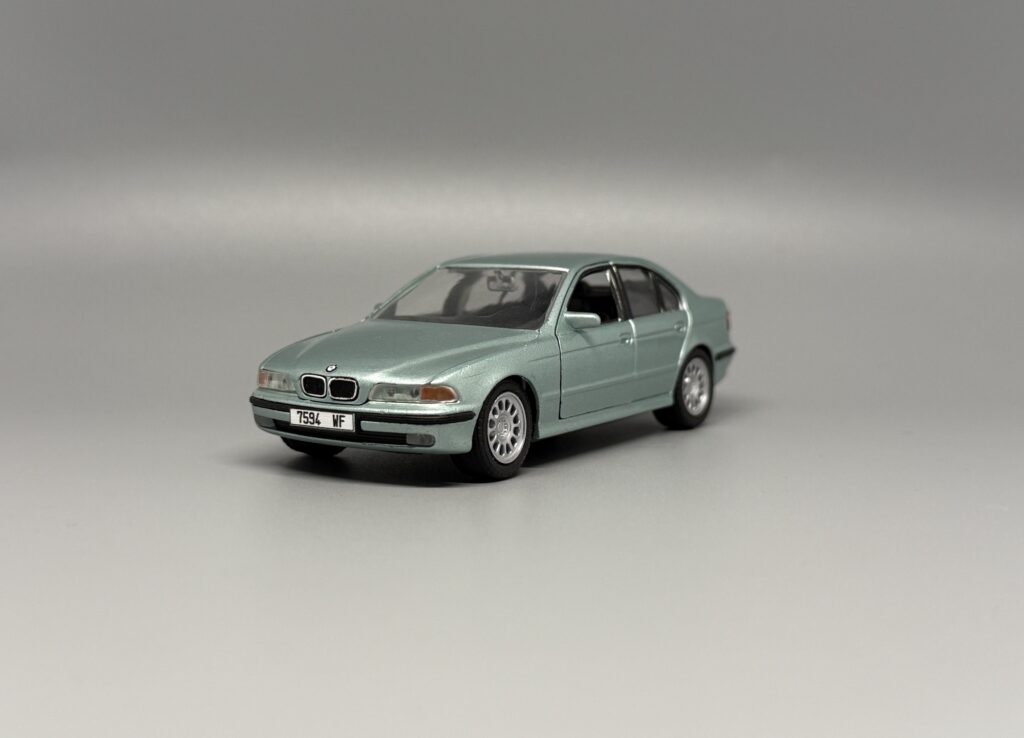
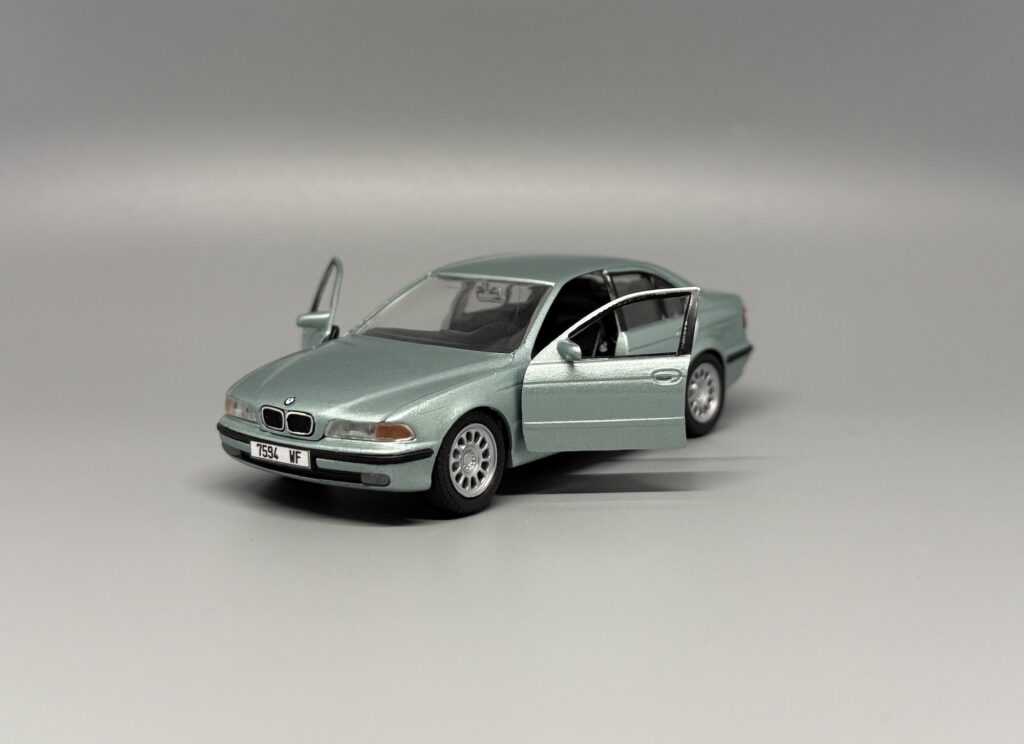
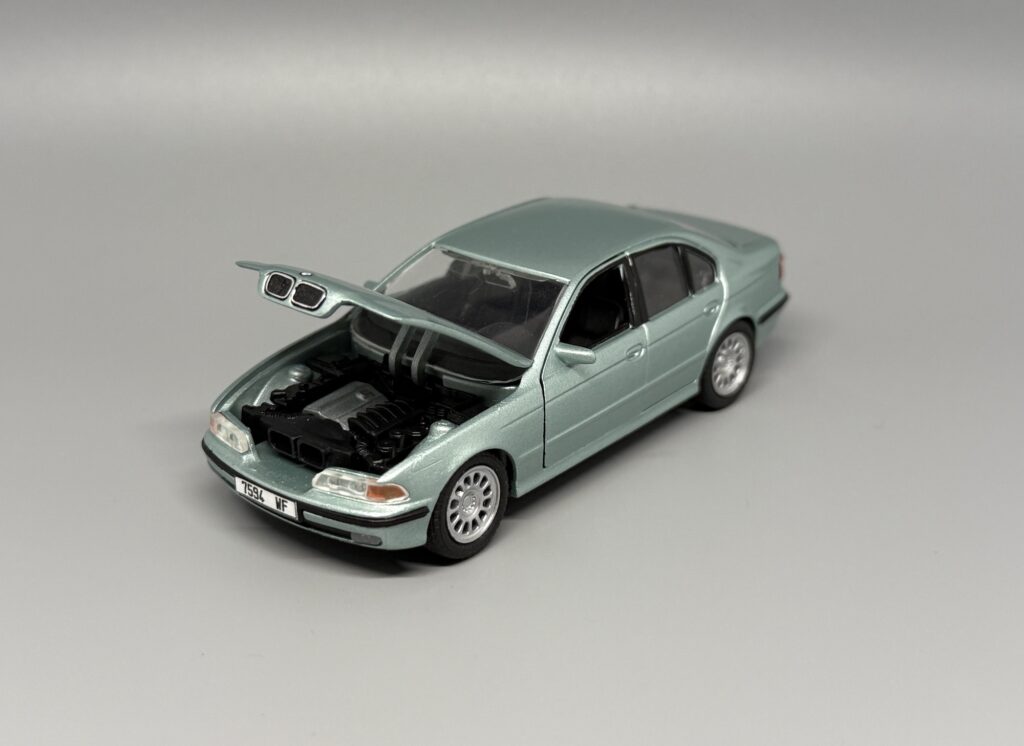
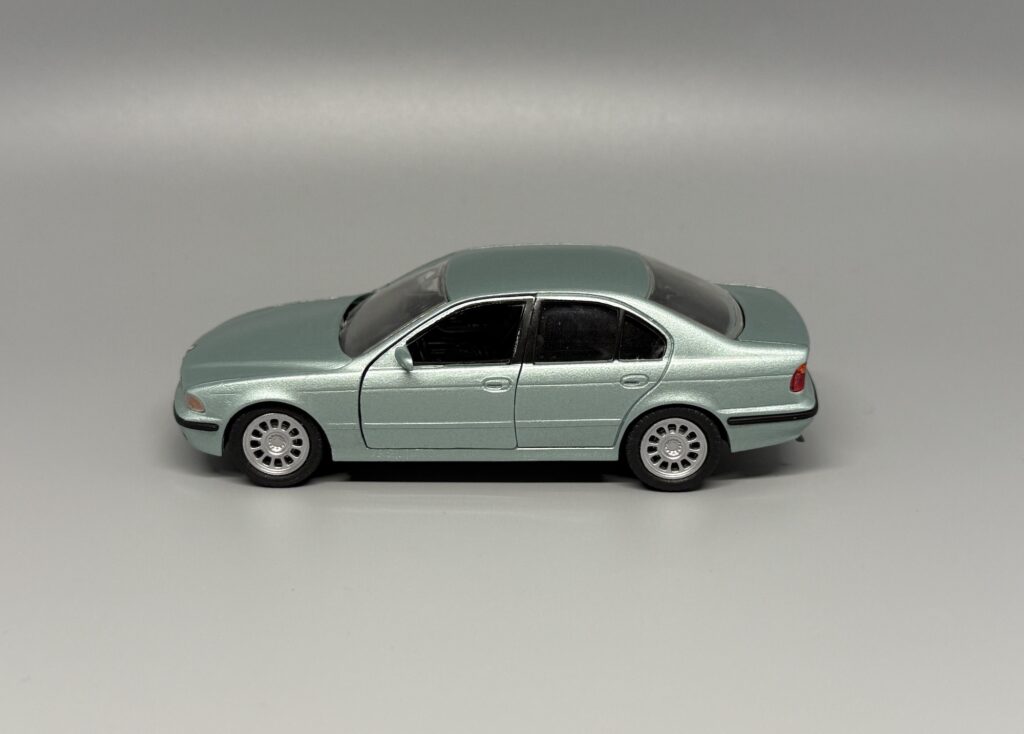
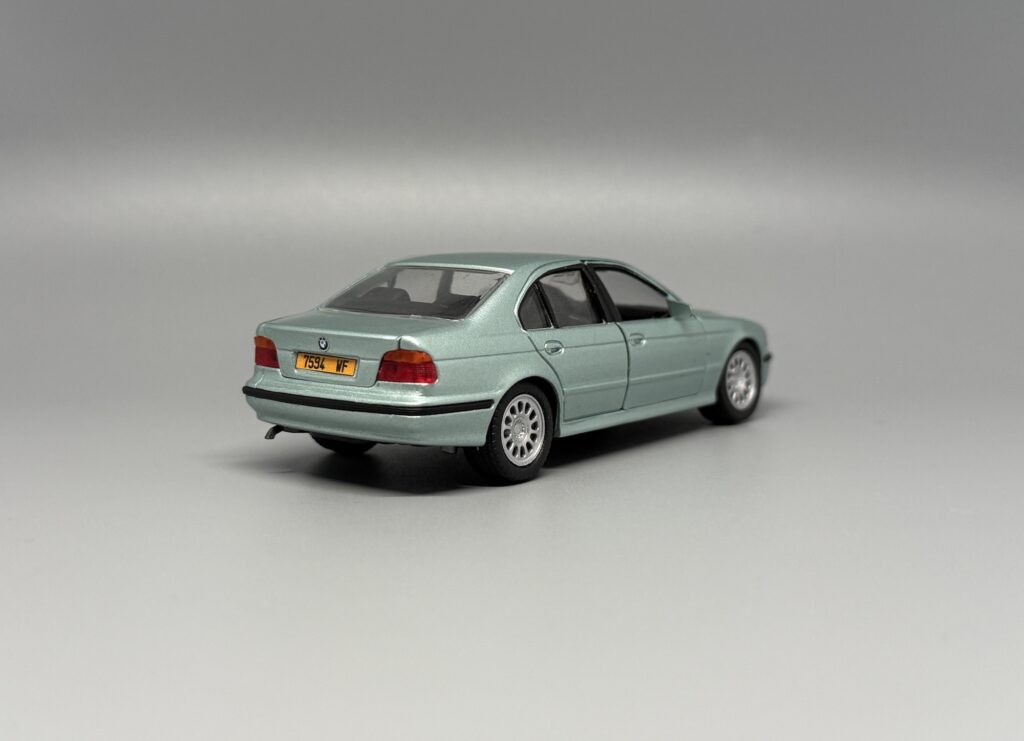
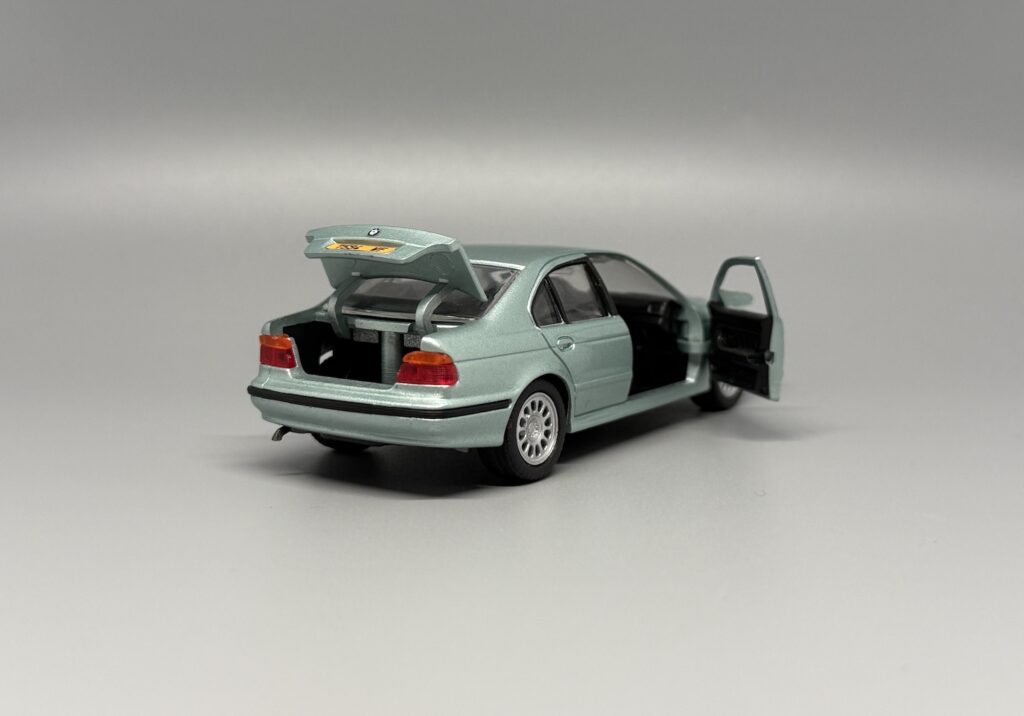
The BMW 5 Series Sedan (E39) in my collection was produced by Schabak Modell.
Technical data in brief
Model debut: 1995, Frankfurt Motor Show
Sedan production period: 1995 – June 2003
Production location: mainly BMW Plant Dingolfing, Germany
Body style: four-door sedan
Engines: four- and six-cylinder diesels and six- and eight-cylinder petrol engines
Drivetrain: rear-wheel drive
Most powerful regular version: 540i, up to 286 hp / 210 kW
Model range flagship: M5, 400 hp / 294 kW
Total E39 model family sales: 1,470,757 cars
Special feature: an almost entirely light-alloy chassis and one of the most highly regarded classic generations of the BMW 5 Series
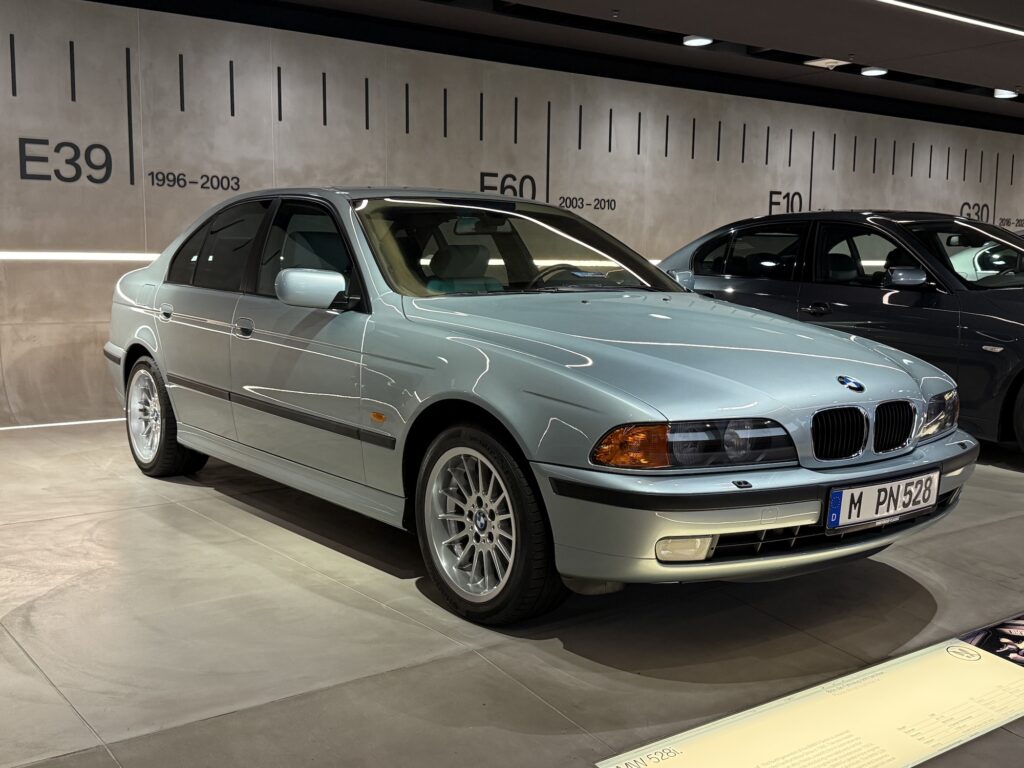
Photo of the real car, BMW Museum. Photo: Sten-Patrick Kreek