
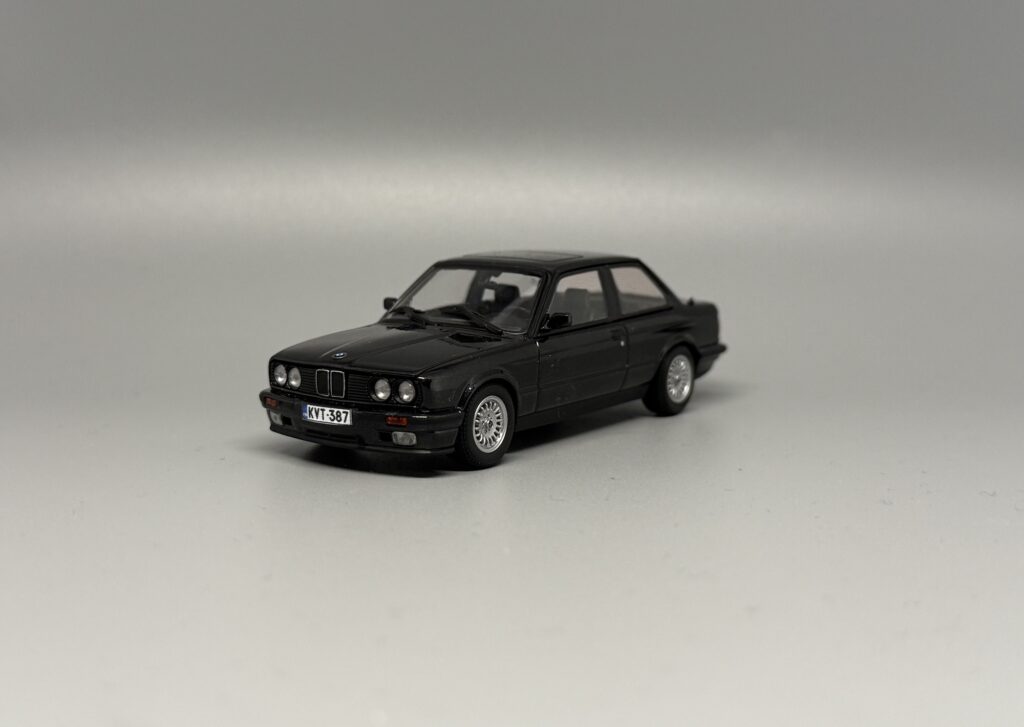
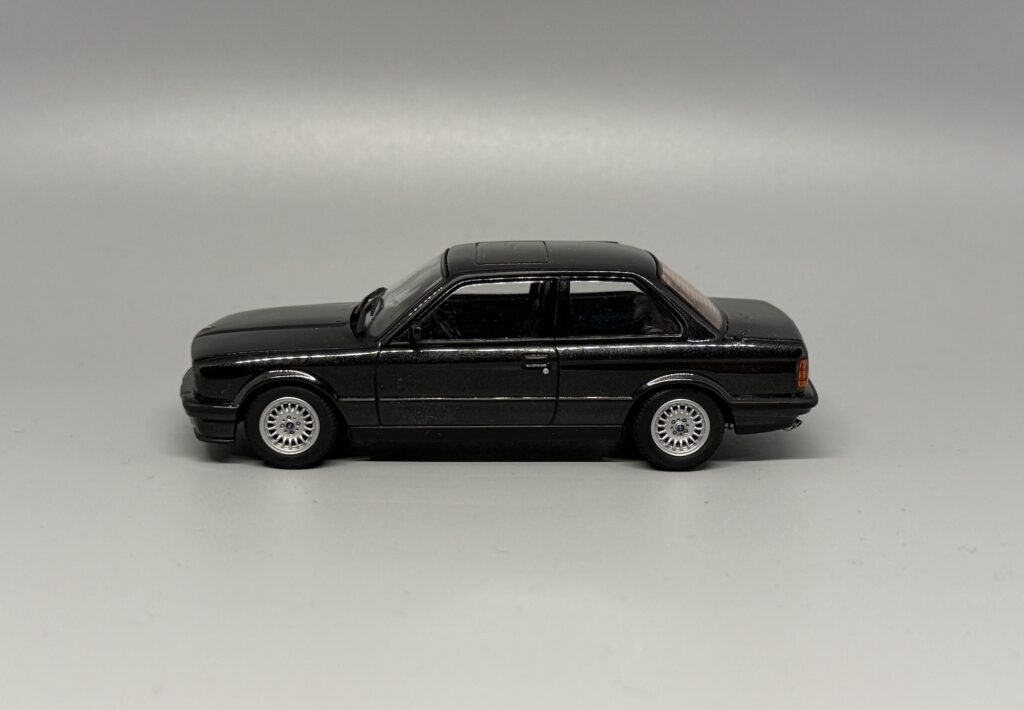
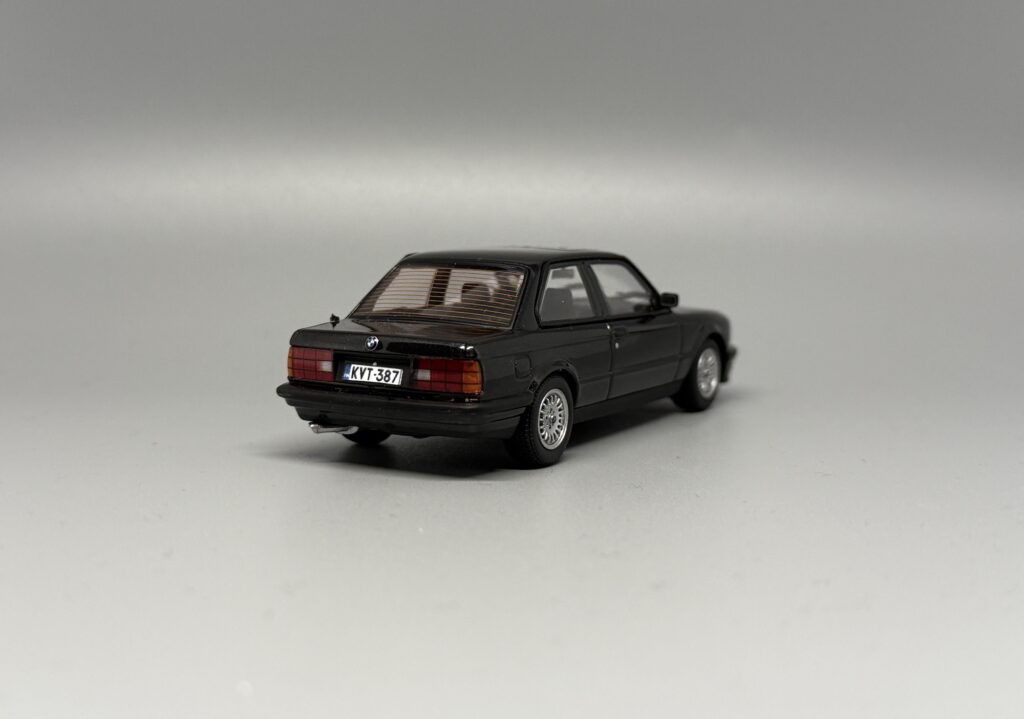
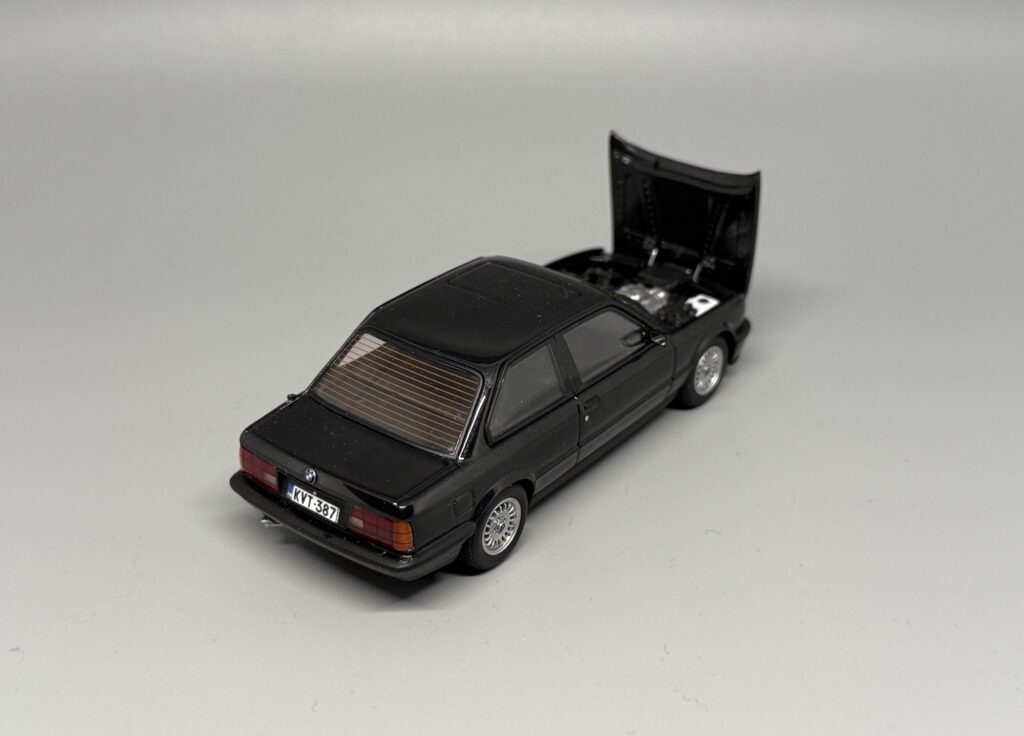
BMW 325i (E30) was one of the most capable and desirable regular versions of the second-generation 3 Series and represented the sporting peak of the six-cylinder E30 range outside the BMW M3. Introduced in 1985 as the successor to the 323i, the 325i combined the compact 3 Series body with BMW’s 2.5-litre straight-six engine. The result became one of the most characteristic and today most sought-after versions of the E30 generation.
The six-cylinder flagship of the E30 range
The BMW E30 was introduced in 1982 as the successor to the first-generation E21. Initially offered as a two-door sedan, the range soon expanded to include a four-door sedan, Convertible, Touring and the four-wheel-drive 325iX. During the E30 generation, the 3 Series developed into a far more versatile model family while retaining compact dimensions, rear-wheel drive and its driver-focused character.
The arrival of the 325i in 1985 brought a new level of performance to the regular 3 Series range. While the smaller 320i also offered the smoothness of a BMW straight-six, the greater displacement and torque of the 325i made it noticeably more powerful. It consequently became the flagship of the conventional rear-wheel-drive E30 range.
The 2.5-litre M20B25 straight-six
At the heart of the 325i was BMW’s M20B25, a naturally aspirated 2,494 cc straight-six. It became one of the best-known versions of the M20 engine family, combining strong torque, smooth power delivery and the willingness to rev traditionally associated with BMW six-cylinder engines.
The non-catalyst version produced 126 kW or 171 hp, while the later catalytic-converter version developed 125 kW or 170 hp. The 1989 European 325i represented the latter specification and produced a maximum torque of 222 Nm at 4,300 rpm.
More important than the outright figures was the character of the engine. The 2.5-litre straight-six was flexible enough for relaxed everyday driving but became considerably more sporting at higher engine speeds. This versatility is one of the main reasons why the 325i remains especially desirable among classic E30 models.
More sporting than the smaller E30 models
The 325i could also be distinguished from smaller E30 versions by several technical and visual details. Additional openings in the lower front bumper supplied air to an extra engine oil cooler, while twin exhaust outlets and a discreet spoiler lip on the boot lid further identified the model.
Disc brakes were fitted to all four wheels, with ventilated discs at the front. The five-speed manual gearbox was particularly well suited to the character of the M20B25, although an automatic transmission was also available. Power was traditionally sent to the rear wheels.
The facelift modernised the E30
The E30 received an important model update in 1987. Changes included a revised rear section, redesigned rear lights, different bumpers and numerous detail improvements. The update modernised the car without losing the clear and compact styling that defined the original E30.
The 1989 325i represented by the model in the collection belongs to this later phase of E30 development. By this point the 3 Series range had become exceptionally broad and the 325i was joined by the four-wheel-drive 325iX, Touring and Convertible derivatives.
170 hp and classic rear-wheel drive
The 1989 catalytic-converter version of the 325i produced 125 kW or 170 hp together with 222 Nm of torque. With the five-speed manual transmission, it could accelerate from 0 to 100 km/h in approximately 8.3 seconds and reach a top speed of 218 km/h.
These figures made the 325i a genuinely quick compact sporting sedan for its time. Its appeal, however, extended beyond straight-line performance. A longitudinally mounted engine, rear-wheel drive, independent suspension and relatively low weight gave the car the balanced and direct handling that became one of the defining qualities of the E30.
A classic in its own right alongside the M3
The E30 M3 inevitably receives much of the attention when the generation is discussed, but the 325i represents the development of the regular 3 Series just as effectively. Unlike the M3, which was created specifically around motorsport homologation requirements, the 325i retained the conventional E30 body and everyday usability while adding a powerful six-cylinder engine.
According to BMW Group Classic, approximately 200,000 examples of the 325i were produced by 1991. It was therefore not a rare car when new, but demand for well-preserved original examples is now strong. Much of its appeal comes from the combination of qualities now regarded as quintessentially classic BMW: compact dimensions, a naturally aspirated straight-six, manual transmission and rear-wheel drive.
Model in the collection
The 1:43-scale BMW 325i (E30) in my collection was produced by Minichamps. The model represents a 1989 car from the later, post-facelift period of E30 production and was released as a limited edition of 504 pieces.
The miniature therefore represents the period when the 325i was powered by the 2.5-litre M20B25 straight-six and ranked among the most capable conventional rear-wheel-drive versions of the E30.
Technical data
Production: 09/1985–05/1991
Body style: two-door sedan
Engine: M20B25 naturally aspirated straight-six petrol engine
Displacement: 2,494 cc
1989 catalytic-converter version power output: 125 kW / 170 hp at 5,800 rpm
Torque: 222 Nm at 4,300 rpm
Transmission: 5-speed manual or automatic
Drive: rear-wheel drive
0–100 km/h: approximately 8.3 seconds
Top speed: 218 km/h
Production total: approximately 200,000 BMW 325i models
Special feature: sporting six-cylinder flagship of the conventional rear-wheel-drive E30 range