
Taust
Bayer K 67 kuulub nende 1960. aastate eksperimentaalautode hulka, mille eesmärk oli näidata, milline võiks olla tulevikuauto ning milliseid uusi materjale võiks autotööstuses kasutada. Projekti juured ulatuvad aastatesse 1963–1964, mil BMW juhatuse liige Paul G. Hahnemann ja Bayer AG juhatuse liige Hermann Holzrichter leppisid kokku ideeauto loomises, mille kere ja kandekonstruktsioon valmistataks võimalikult suures ulatuses plastmaterjalidest.
Tegemist ei olnud ainult disainiuuringu või näituseautoga. Projekti eesmärk oli uurida, kas plastist konstruktsioon võiks tulevikus pakkuda tavapärase teraskerega võrreldes eeliseid nii auto massi, korrosioonikindluse kui ka tootmise seisukohalt. Seetõttu osalesid arendustöös nii BMW kui ka Bayeri plastide uurimisosakond ning projekti käsitleti algusest peale tõsise tehnilise eksperimendina.
Auto avalik esitlus toimus 1967. aasta oktoobris ning sellest tulenes ka mudeli tähis K 67. Auto esindas oma ajastu optimismi uute sünteetiliste materjalide ja tulevikutehnoloogia suhtes ning näitas, kui laialt otsiti 1960. aastatel alternatiive tavapärastele autokonstruktsioonidele.
Disain ja kontseptsioon
Bayer K 67 disain erines märgatavalt tolleaegsetest tavapärastest sõiduautodest. Auto madal ja voolujooneline kere, suured siledad pinnad ning minimalistlik üldilme andsid sellele selgelt futuristliku välimuse. Kere kujundamisel ei olnud eesmärgiks matkida olemasolevaid BMW mudeleid, vaid luua uus tervik, mis rõhutaks projekti eksperimentaalset olemust.
Auto kujundamisega oli seotud saksa disainer Hans Gugelot, kelle disainibüroo töötas välja sõiduki visuaalse kontseptsiooni. Gugelot oli tuntud funktsionaalse ja modernistliku disainikeele poolest ning sama lähenemine kajastus ka K 67 juures: vorm pidi olema puhas, tehniline ja selgelt tulevikku vaatav.
K 67 juures oli keskseks küsimuseks siiski materjal. Bayer soovis demonstreerida, et plaste saab kasutada mitte ainult auto väiksemate detailide, sisustuse või viimistluse puhul, vaid ka kogu sõiduki konstruktsioonis. See tegi K 67-st ühe huvitavama Euroopa katseauto ajastul, mil plastmaterjalide võimalik roll tulevikuautodes tekitas suurt huvi.
Tehnika
Bayer K 67 tehnilise poole eest vastutas suures osas BMW. Auto sai jõuallika, mis põhines BMW 2000 mudelis kasutatud tehnikal. See tähendas, et eksperimentaalse plastkonstruktsiooni kõrval kasutati läbiproovitud BMW mehaanikat ning projekti tähelepanu sai keskenduda eelkõige uue kere- ja konstruktsioonilahenduse katsetamisele.
Arendusse olid kaasatud ka Waggon- und Maschinenbau GmbH Donauwörth ning Messerschmitt-Bölkow-Blohm. Tegemist oli ettevõtetega, kellel oli kogemusi nii kergete konstruktsioonide kui ka lennunduses kasutatavate materjalide ja tootmistehnoloogiatega. See näitab, et Bayer K 67 arendus oli palju laiem kui üksnes BMW ja Bayeri vaheline disainiprojekt.
Plastkonstruktsiooni üks eeldatud eeliseid oli väiksem mass. Samuti loodeti parandada korrosioonikindlust ning uuriti võimalusi, kuidas muuta tootmist tulevikus efektiivsemaks. Praktikas selgus aga, et plastist konstruktsioon ei toonud tootmiskuludes sellist eelist, nagu alguses loodeti.
Prototüübid ja võimalik seeriatootmine
Bayer K 67 projekt jõudis märksa kaugemale kui paljud sama ajastu ideeautod. Kokku ehitati viis katseautot, mis võimaldasid hinnata nii konstruktsiooni vastupidavust kui ka selle võimalikku sobivust väikeseeria või seeriatootmise jaoks.
Viie auto ehitamine oli märkimisväärne, sest projekt ei olnud mõeldud ainult messidel näitamiseks. Arutati isegi võimalust toota tulevikus ligikaudu 5000 autot. See näitab, et vähemalt projekti varases faasis peeti plastkerega sõiduki praktilist tootmist täiesti reaalseks võimaluseks.
Lõpuks siiski seeriatootmiseni ei jõutud. Uue materjali kasutamine ei andnud tootmiskuludes piisavalt suurt eelist võrreldes traditsiooniliste lahendustega ning projekt jäi katseautode tasemele. Sellest hoolimata andis K 67 väärtuslikke kogemusi plastide ja komposiitmaterjalide kasutamisest autotööstuses.
Tähtsus BMW ja autotööstuse ajaloos
Bayer K 67 tähtsus seisneb eelkõige selles, et see kujutab endast üht huvitavat näidet BMW osalemisest eksperimentaalsetes tulevikuprojektides. Kuigi autot ei turustatud BMW nime all tavapärase seeriamudelina, oli BMW selle tehnilise arenduse oluline partner ning andis projektile nii mehaanika kui ka insenertehnilise kompetentsi.
K 67 peegeldab hästi 1960. aastate usku uutesse materjalidesse ja tehnoloogilisse arengusse. Plastmaterjale nähti toona võimaliku lahendusena, mis võiks muuta autod kergemaks, odavamaks ja korrosioonikindlamaks. Kuigi kõik need ootused ei realiseerunud K 67 puhul, muutusid plastid ja komposiitmaterjalid järgnevatel kümnenditel autotööstuses üha olulisemaks.
Tänapäeval on Bayer K 67 eelkõige tehnikaajalooliselt huvitav prototüüp. Selle väärtus ei seisne tootmismahus ega kommertsedus, vaid selles, et projekt näitas, kui tõsiselt uuriti juba 1960. aastatel alternatiivseid materjale ja täiesti uusi autokonstruktsioone. Samuti on see omanäoline kõrvalharu BMW ajaloos, mis erineb märgatavalt margi tavapärastest seeriaautodest.
Mudel kollektsioonis
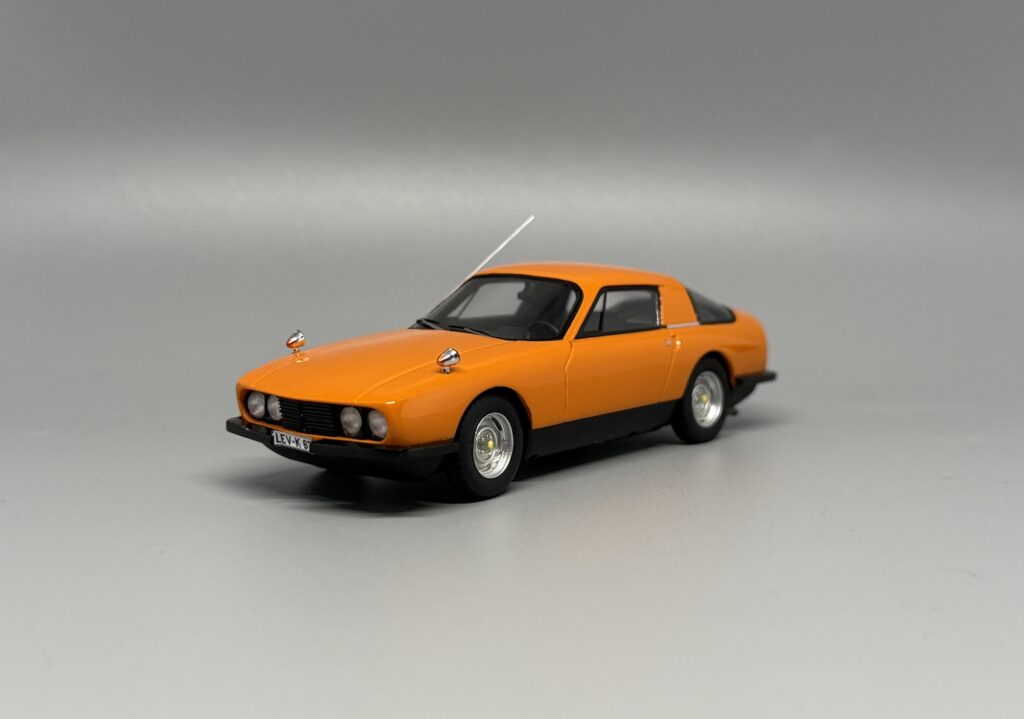
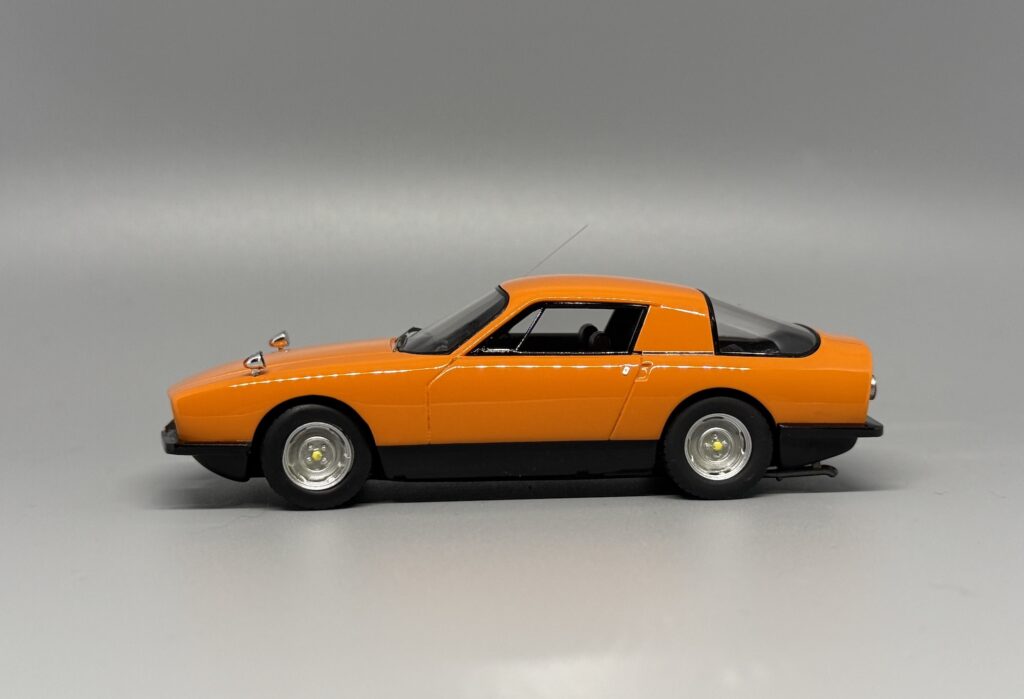
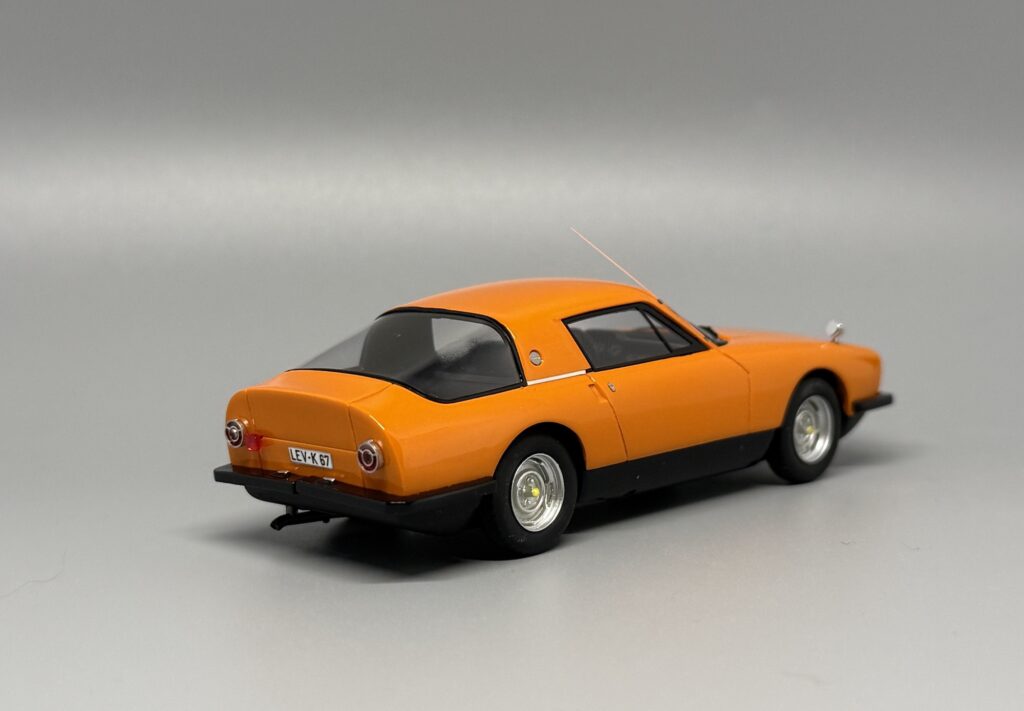
Minu kollektsioonis olev mudelauto on Autoculti toodang ning kujutab 1967. aasta Bayer K 67 ideeautot. Tegemist on piiratud tiraažiga mudeliga, mida toodeti kokku 333 eksemplari.
Tehnilised andmed lühidalt
Esmaesitlus: 1967
Tootmiskoht: Saksamaa
Keretüüp: eksperimentaalne ideeauto
Mootor: BMW 2000 mudeliga seotud jõuallikas
Konstruktsioon: ulatuslikult plastmaterjalidest valmistatud kere ja alusstruktuur
Prototüüpide arv: viis katseautot
Kavandatud võimalik tootmismaht: ligikaudu 5000 autot
Disain: Hans Gugeloti disainibüroo
Koostööpartnerid: Bayer AG, BMW, Waggon- und Maschinenbau GmbH Donauwörth ja Messerschmitt-Bölkow-Blohm
Eripära: Bayeri ja BMW koostöös valminud futuristlik ideeauto, millega uuriti plastmaterjalide kasutamise võimalusi sõiduki kandekonstruktsioonis
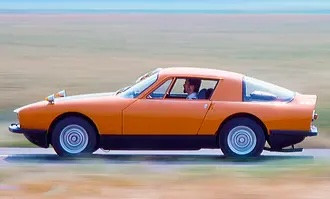
Foto päris autost. Allikas: autozeitung.de