BMW M3 Sport Evolution (E30) oli esimese põlvkonna M3 kõige ekstreemsem ja arenenum tänavaversioon ning ühtlasi kogu E30 M3 mudelirea viimane suur arenguetapp. Mudel jõudis turule 1990. aastal homologatsiooniversioonina, mille eesmärk oli hoida BMW konkurentsivõimeline turismiautode võidusõidus. Võrreldes tavalise E30 M3-ga eristus Sport Evolution selgelt agressiivsema välimuse, suuremate õhuvõttude, reguleeritava esispoileri ja tagatiivaga. See oli auto, milles olid ühendatud rajakogemus, piiratud tootmismaht ja tänavale sobiv kasutatavus.
Tehniliselt kasutas BMW M3 Sport Evolution 2,5-liitrist neljasilindrilist S14 mootorit, mille töömaht oli 2467 cm³ ja võimsus ulatus 238 hobujõuni. See tegi sellest kõige võimsama seeriatootmises E30 M3 versiooni ning ühtlasi ainsa E30 M3, mis ei kasutanud 2,3-liitrist mootorit. Jõud kanti tagaratastele close-ratio viiekäigulise Getrag 265 manuaalkäigukasti kaudu ning autol oli 25% lukustusega piiratud libisemisega diferentsiaal. Lisaks suuremale mootorile vähendati kaalu ning täiustati aerodünaamikat, sealhulgas reguleeritavat esispoilerit ja tagatiiba kolme erineva seadistusega. Tootmine piirdus vaid 600 eksemplariga, mis valmisid ajavahemikus 1989. aasta detsembrist kuni 1990. aasta märtsini, ning kõik autod olid vasakpoolse rooliga. See teeb Sport Evolutionist ühe kõige haruldasema ja ihaldusväärsema E30 M3 versiooni.
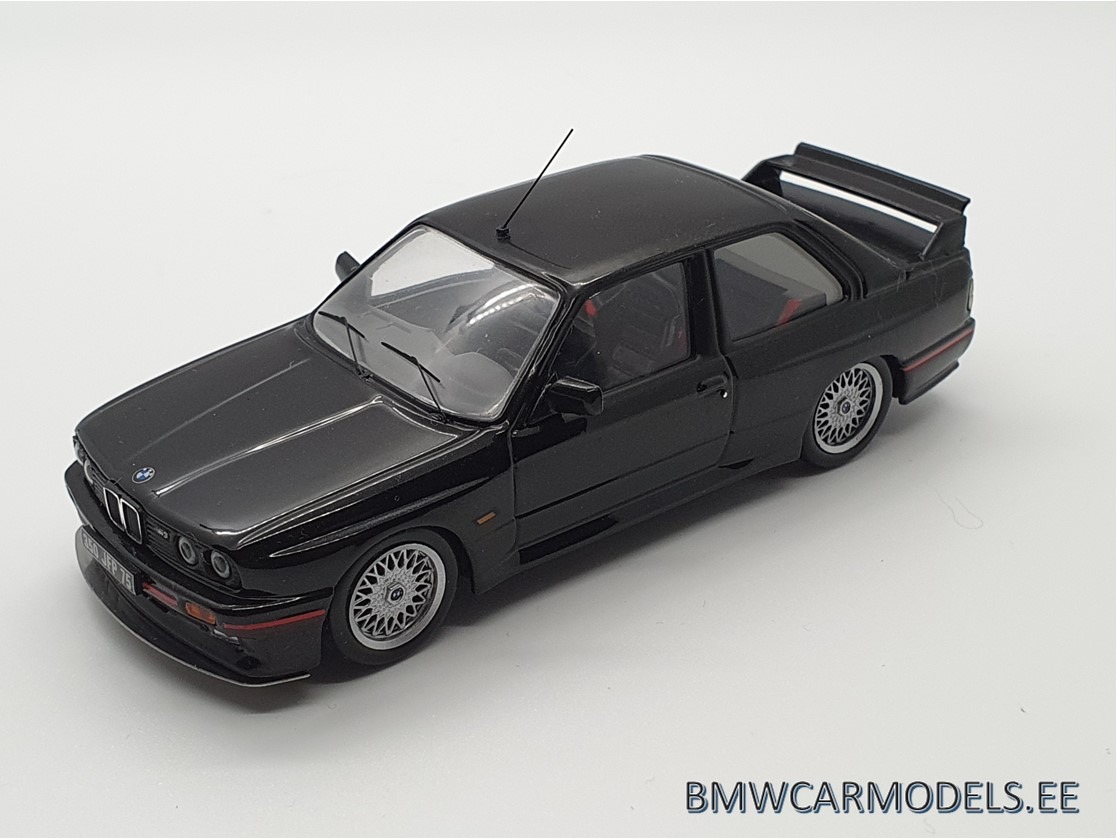
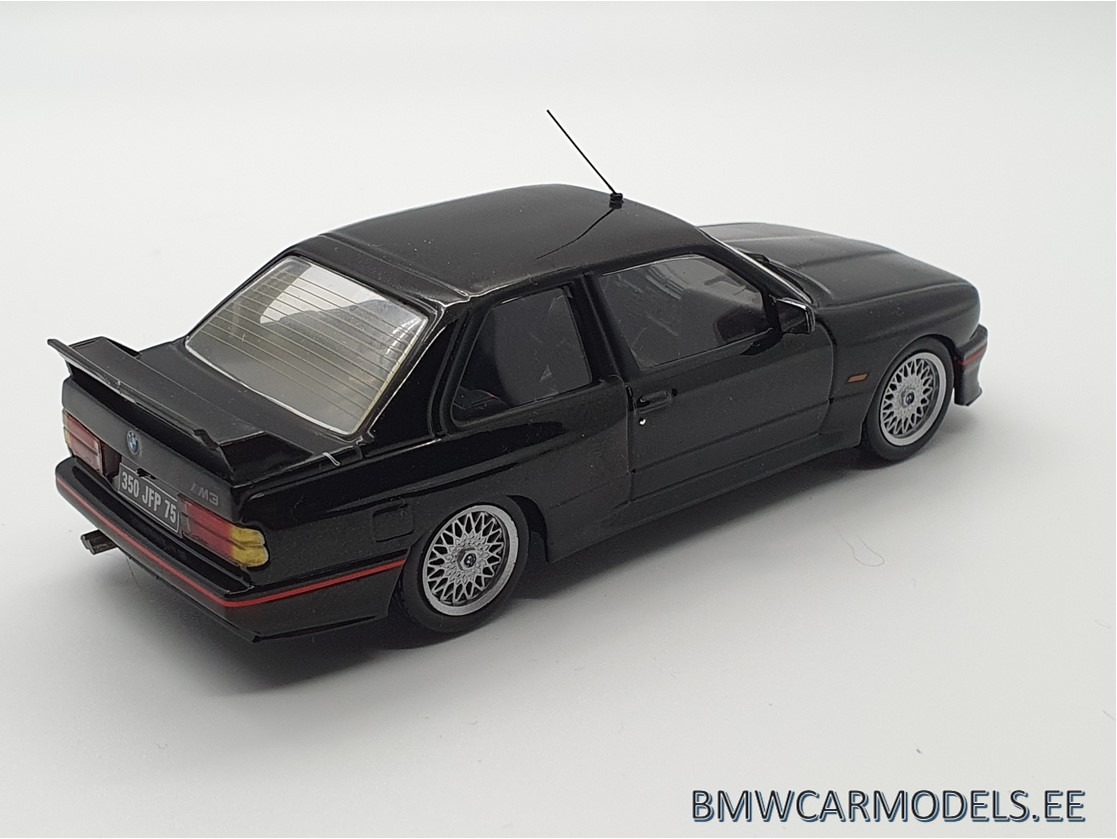
Minu kollektsioonis olev mudel on IXO Modelsi toodang.
Tehnilised andmed lühidalt:
Tootmisaeg: 1989–1990
Tootmiskoht: Saksamaa
Mootor: 2,5 l ridaneli (S14), 2467 cm³
Võimsus: 238 hj
Tootmisarv: 600 autot
Eripära: E30 M3 kõige võimsam ja haruldasem seeriaversioon, loodud homologatsioonieesmärgil
The BMW M3 Sport Evolution (E30) was the most extreme and most highly developed road-going version of the first-generation M3, and at the same time the final major evolution of the entire E30 M3 model line. It reached the market in 1990 as a homologation special intended to keep BMW competitive in touring car racing. Compared with the regular E30 M3, the Sport Evolution stood out through its more aggressive appearance, larger air intakes, adjustable front splitter and rear wing. It was a car that combined racing experience, limited production and road-going usability in one highly focused package.
Technically, the BMW M3 Sport Evolution used a 2.5-litre four-cylinder S14 engine with a displacement of 2467 cc, producing 238 horsepower. This made it the most powerful production E30 M3 version and also the only E30 M3 not to use the 2.3-litre engine. Power was sent to the rear wheels through a close-ratio five-speed Getrag 265 manual gearbox, and the car featured a 25% locking limited-slip differential. In addition to the larger engine, weight was reduced and aerodynamics were refined, including an adjustable front splitter and rear wing with three different settings. Production was limited to just 600 examples, built between December 1989 and March 1990, and all cars were left-hand drive. That makes the Sport Evolution one of the rarest and most desirable versions of the E30 M3.
The model in my collection is produced by IXO Models.
Technical data at a glance:
Production period: 1989–1990
Production location: Germany
Engine: 2.5-litre inline-four (S14), 2467 cc
Power output: 238 hp
Production total: 600 cars
Special feature: the most powerful and rarest production version of the E30 M3, created for homologation purposes
BMW M3 Sport Evolution (E30) oli esimese põlvkonna M3 kõige ekstreemsem ja arenenum tänavaversioon ning ühtlasi kogu E30 M3 mudelirea viimane suur arenguetapp. Mudel jõudis turule 1990. aastal homologatsiooniversioonina, mille eesmärk oli hoida BMW konkurentsivõimeline turismiautode võidusõidus. Võrreldes tavalise E30 M3-ga eristus Sport Evolution selgelt agressiivsema välimuse, suuremate õhuvõttude, reguleeritava esispoileri ja tagatiivaga. See oli auto, milles olid ühendatud rajakogemus, piiratud tootmismaht ja tänavale sobiv kasutatavus.
Tehniliselt kasutas BMW M3 Sport Evolution 2,5-liitrist neljasilindrilist S14 mootorit, mille töömaht oli 2467 cm³ ja võimsus ulatus 238 hobujõuni. See tegi sellest kõige võimsama seeriatootmises E30 M3 versiooni ning ühtlasi ainsa E30 M3, mis ei kasutanud 2,3-liitrist mootorit. Jõud kanti tagaratastele close-ratio viiekäigulise Getrag 265 manuaalkäigukasti kaudu ning autol oli 25% lukustusega piiratud libisemisega diferentsiaal. Lisaks suuremale mootorile vähendati kaalu ning täiustati aerodünaamikat, sealhulgas reguleeritavat esispoilerit ja tagatiiba kolme erineva seadistusega. Tootmine piirdus vaid 600 eksemplariga, mis valmisid ajavahemikus 1989. aasta detsembrist kuni 1990. aasta märtsini, ning kõik autod olid vasakpoolse rooliga. See teeb Sport Evolutionist ühe kõige haruldasema ja ihaldusväärsema E30 M3 versiooni.
Minu kollektsioonis olev mudel on IXO Modelsi toodang.
Tehnilised andmed lühidalt:
Tootmisaeg: 1989–1990
Tootmiskoht: Saksamaa
Mootor: 2,5 l ridaneli (S14), 2467 cm³
Võimsus: 238 hj
Tootmisarv: 600 autot
Eripära: E30 M3 kõige võimsam ja haruldasem seeriaversioon, loodud homologatsioonieesmärgil
The BMW M3 Sport Evolution (E30) was the most extreme and most highly developed road-going version of the first-generation M3, and at the same time the final major evolution of the entire E30 M3 model line. It reached the market in 1990 as a homologation special intended to keep BMW competitive in touring car racing. Compared with the regular E30 M3, the Sport Evolution stood out through its more aggressive appearance, larger air intakes, adjustable front splitter and rear wing. It was a car that combined racing experience, limited production and road-going usability in one highly focused package.
Technically, the BMW M3 Sport Evolution used a 2.5-litre four-cylinder S14 engine with a displacement of 2467 cc, producing 238 horsepower. This made it the most powerful production E30 M3 version and also the only E30 M3 not to use the 2.3-litre engine. Power was sent to the rear wheels through a close-ratio five-speed Getrag 265 manual gearbox, and the car featured a 25% locking limited-slip differential. In addition to the larger engine, weight was reduced and aerodynamics were refined, including an adjustable front splitter and rear wing with three different settings. Production was limited to just 600 examples, built between December 1989 and March 1990, and all cars were left-hand drive. That makes the Sport Evolution one of the rarest and most desirable versions of the E30 M3.
The model in my collection is produced by IXO Models.
Technical data at a glance:
Production period: 1989–1990
Production location: Germany
Engine: 2.5-litre inline-four (S14), 2467 cc
Power output: 238 hp
Production total: 600 cars
Special feature: the most powerful and rarest production version of the E30 M3, created for homologation purposes
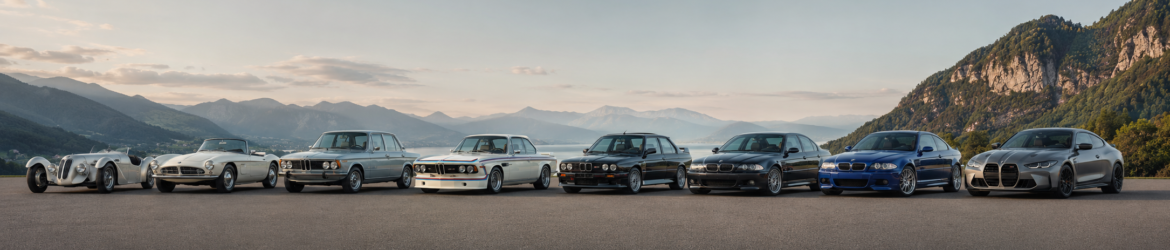
Foto päris autost. Allikas: supercarnostalgia.com.
Photo of the actual car. Source: supercarnostalgia.com.