BMW 320i Cabriolet (E30) kuulus teise põlvkonna 3. seeria kõige elegantsemate ja iseloomulikumate mudelite hulka ning aitas kinnistada avatud kerega 3. seeria kui püsiva osa BMW mudelivalikust. E30 Cabriolet esitleti 1985. aastal ja see oli esimene 3. seeria kabriolett, mille BMW töötas välja ja tootis täies mahus oma mudelina, mitte välise kereehitaja lahendusena. 320i Cabriolet ühendas klassikalise avatud kere, kompaktse suuruse ja kuuesilindrilise mootori, andes autole korraga nii elegantse kui ka sportliku iseloomu. 1989. aasta auto esindab selle mudeli küpsemat tootmisperioodi, mil E30 Cabriolet oli juba kindlalt tõestanud, et avatud kere ei pea BMW puhul tähendama loobumist juhikesksest sõidutundest.
Tehniliselt kasutas BMW 320i Cabriolet 2,0-liitrist ridakuue mootorit, mille võimsus ulatus sõltuvalt versioonist umbes 125–129 hobujõuni. Just kuuesilindriline jõuallikas andis sellele mudelile eriti sujuva ja rafineeritud sõidutunde, mis sobis hästi kokku kabrioleti elegantse olemusega. E30 Cabriolet tähtsus seisneb selles, et see ühendas avatud sõiduelamuse, tagaveolise arhitektuuri ja klassikalised BMW proportsioonid üheks väga selge identiteediga mudeliks.
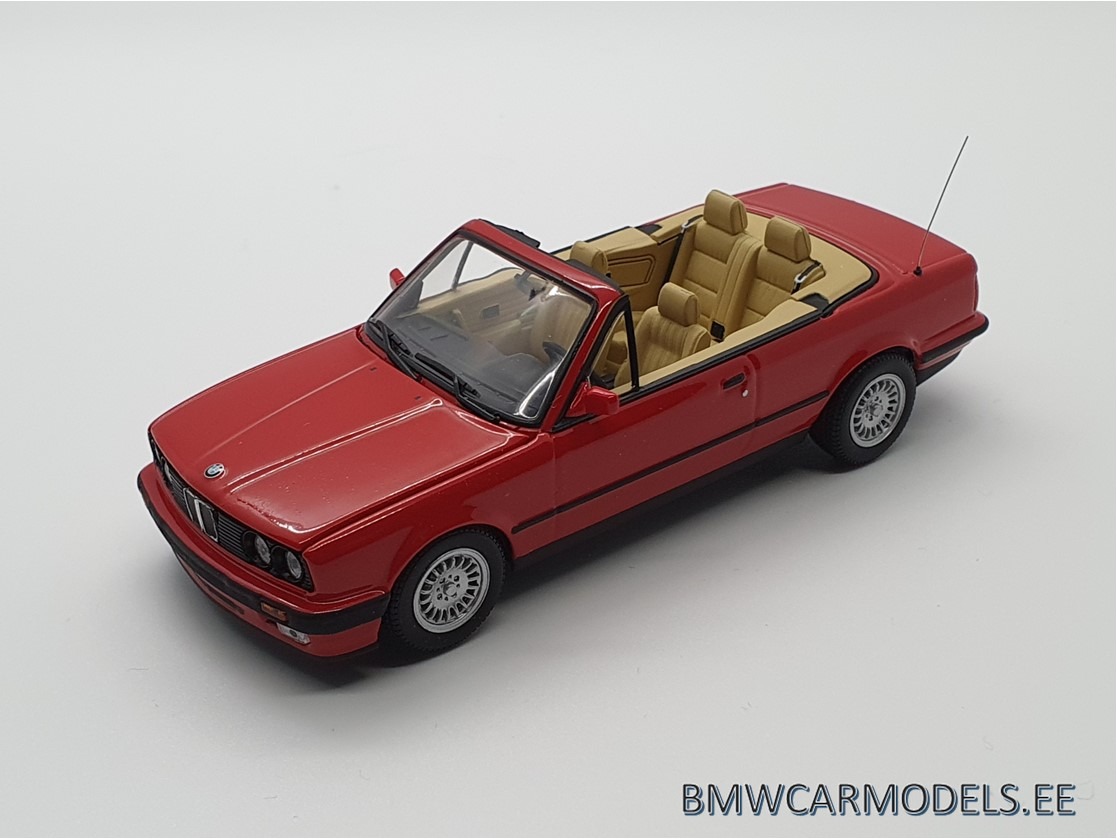
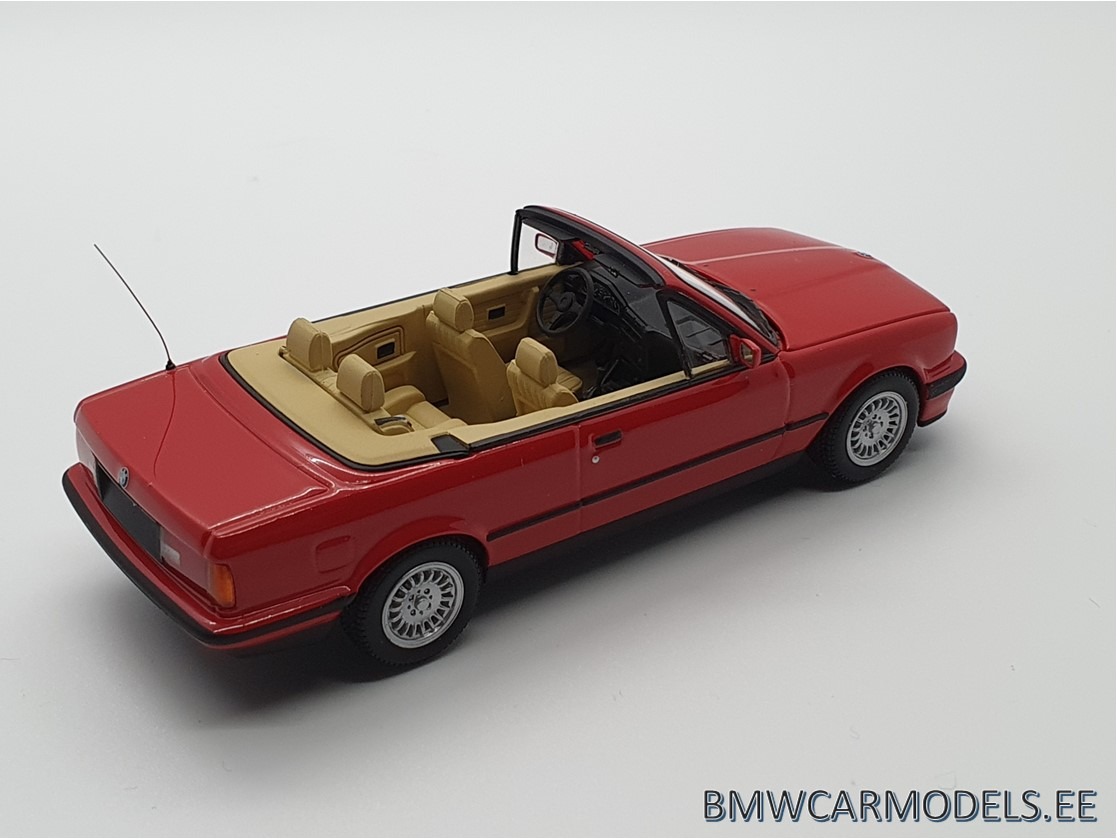
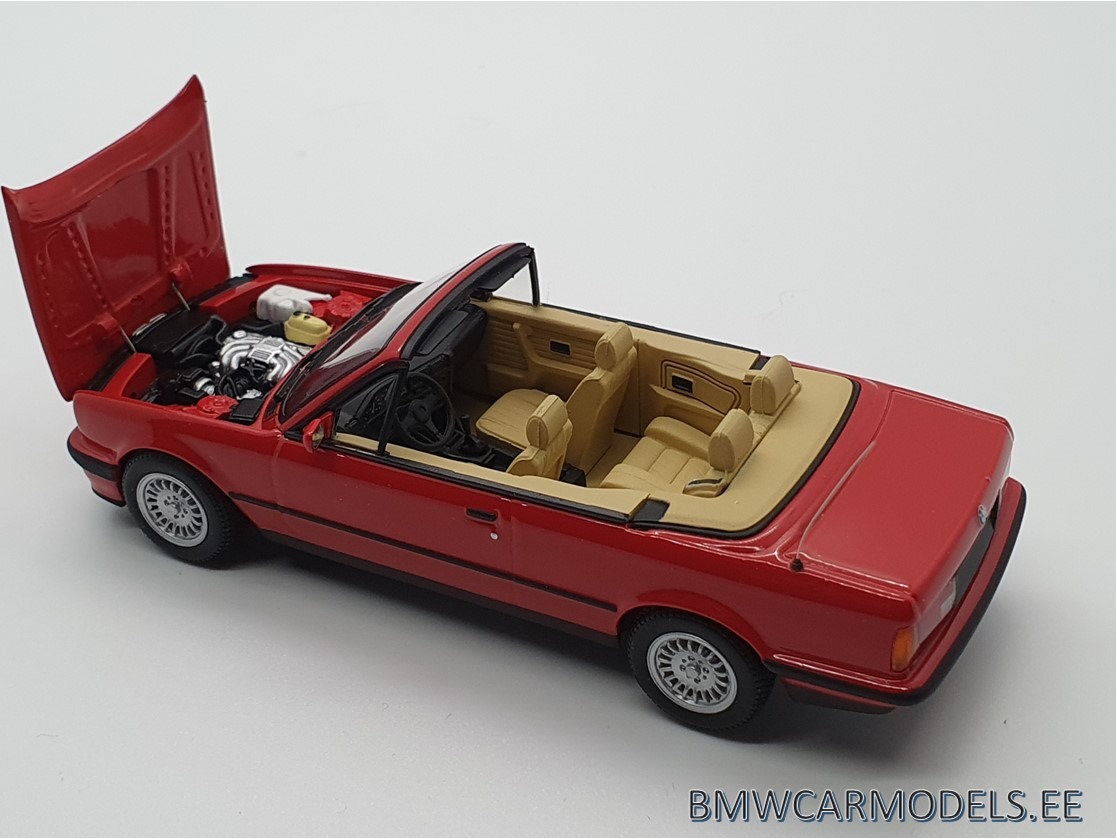
Minu kollektsioonis olev mudel on Minichampsi toodang. Tegemist on piiratud tiraažiga ning mudelit toodeti 2016 eksemplari. Mudel kujutab 1989. aasta autot.
Tehnilised andmed lühidalt:
Tootmisaeg: 1985–1993.
Tootmiskoht: Saksamaa.
Mootor: 2,0 l ridakuus.
Võimsus: umbes 125–129 hj.
Tootmisarv: E30 Cabriolet kerega kokku 143 371 autot; 320i kogutoodang kogu E30 mudeliperes 461 479 autot.
Eripära: esimene täielikult BMW enda toodetud 3. seeria kabriolett.
The BMW 320i Cabriolet (E30) was one of the most elegant and characteristic models of the second-generation 3 Series and helped establish the open-top 3 Series as a permanent part of BMW’s range. The E30 Cabriolet was introduced in 1985 and was the first 3 Series convertible fully developed and produced by BMW itself, rather than as a coachbuilt solution from an outside body specialist. The 320i Cabriolet combined a classic open body, compact dimensions and a six-cylinder engine, giving the car both an elegant and a sporting character. A 1989 car represents the more mature production period of the model, by which time the E30 Cabriolet had already clearly proven that an open-top BMW did not have to sacrifice a driver-focused feel.
Technically, the BMW 320i Cabriolet used a 2.0-litre inline-six producing around 125–129 horsepower depending on version. It was precisely this six-cylinder engine that gave the model a particularly smooth and refined driving character, matching the elegant nature of the convertible very well. The importance of the E30 Cabriolet lies in the way it combined open-top driving, rear-wheel-drive architecture and classic BMW proportions into one model with a very clear identity.
The model in my collection is produced by Minichamps. It is a limited edition of 2,016 pieces and represents a 1989 car.
Technical data at a glance:
Production period: 1985–1993.
Production location: Germany.
Engine: 2.0-litre inline-six.
Power output: around 125–129 hp.
Production total: 143,371 E30 Cabriolet bodies in total; 461,479 320i cars across the full E30 family.
Special feature: the first fully BMW-developed and BMW-produced 3 Series convertible.
BMW 320i Cabriolet (E30) kuulus teise põlvkonna 3. seeria kõige elegantsemate ja iseloomulikumate mudelite hulka ning aitas kinnistada avatud kerega 3. seeria kui püsiva osa BMW mudelivalikust. E30 Cabriolet esitleti 1985. aastal ja see oli esimene 3. seeria kabriolett, mille BMW töötas välja ja tootis täies mahus oma mudelina, mitte välise kereehitaja lahendusena. 320i Cabriolet ühendas klassikalise avatud kere, kompaktse suuruse ja kuuesilindrilise mootori, andes autole korraga nii elegantse kui ka sportliku iseloomu. 1989. aasta auto esindab selle mudeli küpsemat tootmisperioodi, mil E30 Cabriolet oli juba kindlalt tõestanud, et avatud kere ei pea BMW puhul tähendama loobumist juhikesksest sõidutundest.
Tehniliselt kasutas BMW 320i Cabriolet 2,0-liitrist ridakuue mootorit, mille võimsus ulatus sõltuvalt versioonist umbes 125–129 hobujõuni. Just kuuesilindriline jõuallikas andis sellele mudelile eriti sujuva ja rafineeritud sõidutunde, mis sobis hästi kokku kabrioleti elegantse olemusega. E30 Cabriolet tähtsus seisneb selles, et see ühendas avatud sõiduelamuse, tagaveolise arhitektuuri ja klassikalised BMW proportsioonid üheks väga selge identiteediga mudeliks.
Minu kollektsioonis olev mudel on Minichampsi toodang. Tegemist on piiratud tiraažiga ning mudelit toodeti 2016 eksemplari. Mudel kujutab 1989. aasta autot.
Tehnilised andmed lühidalt:
Tootmisaeg: 1985–1993.
Tootmiskoht: Saksamaa.
Mootor: 2,0 l ridakuus.
Võimsus: umbes 125–129 hj.
Tootmisarv: E30 Cabriolet kerega kokku 143 371 autot; 320i kogutoodang kogu E30 mudeliperes 461 479 autot.
Eripära: esimene täielikult BMW enda toodetud 3. seeria kabriolett.
The BMW 320i Cabriolet (E30) was one of the most elegant and characteristic models of the second-generation 3 Series and helped establish the open-top 3 Series as a permanent part of BMW’s range. The E30 Cabriolet was introduced in 1985 and was the first 3 Series convertible fully developed and produced by BMW itself, rather than as a coachbuilt solution from an outside body specialist. The 320i Cabriolet combined a classic open body, compact dimensions and a six-cylinder engine, giving the car both an elegant and a sporting character. A 1989 car represents the more mature production period of the model, by which time the E30 Cabriolet had already clearly proven that an open-top BMW did not have to sacrifice a driver-focused feel.
Technically, the BMW 320i Cabriolet used a 2.0-litre inline-six producing around 125–129 horsepower depending on version. It was precisely this six-cylinder engine that gave the model a particularly smooth and refined driving character, matching the elegant nature of the convertible very well. The importance of the E30 Cabriolet lies in the way it combined open-top driving, rear-wheel-drive architecture and classic BMW proportions into one model with a very clear identity.
The model in my collection is produced by Minichamps. It is a limited edition of 2,016 pieces and represents a 1989 car.
Technical data at a glance:
Production period: 1985–1993.
Production location: Germany.
Engine: 2.0-litre inline-six.
Power output: around 125–129 hp.
Production total: 143,371 E30 Cabriolet bodies in total; 461,479 320i cars across the full E30 family.
Special feature: the first fully BMW-developed and BMW-produced 3 Series convertible.
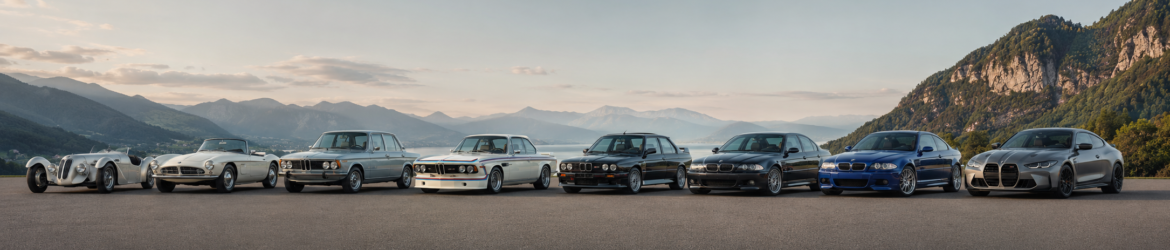
Foto päris autost. Allikas: bookaclassic.co.uk.
Photo of the actual car. Source: bookaclassic.co.uk.