BMW 328 Coupé Mille Miglia tähistab kogu BMW 328 arenguliini kõige kuulsamat ja ajalooliselt olulisemat kulminatsiooni. Kui tavaline BMW 328 pani aluse mudeli sportlikule mainele ning hilisemad Rennversioni ja roadsteri eriversioonid viisid selle võidusõiduks üha kaugemale, siis just 1940. aasta Mille Miglia Touring Coupé viis selle arengu võiduka lõpuni. Tegemist oli autoga, mis mitte ainult ei osalenud legendaarsel 1000-miilisel Itaalia maanteevõistlusel, vaid võitis selle üldarvestuses. BMW ametliku ajalookäsitluse järgi oli see võit erakordne saavutus ning võiduauto kandis stardinumbrit 70, roolis Fritz Huschke von Hanstein ja Walter Bäumer.
Tehniliselt põhines BMW 328 Coupé Mille Miglia 328 võidusõiduarendusel, kuid selle kere valmistas Carrozzeria Touring Milanos, kasutades kuulsat Superleggera konstruktsiooni. See tähendas kerget toruraami ja õhukesi alumiiniumpaneele, mis aitasid hoida auto väga kerge ja aerodünaamilisena. Allikate järgi valmis Touringul kokku kolm sellist autot: kaks roadsterit ja üks coupé, mis juhtis BMW tehasemeeskonda 1939. ja 1940. aastal. Mootoriks oli 2,0-liitrine ridakuues töömahuga 1971 cm³ ning võimsus ulatus umbes 135–136 hobujõuni. Just see kombinatsioon võimaldas autol saavutada 1940. aasta Mille Miglial keskmise kiiruse 166,7 km/h, mis jäi selle võistluse ajalukku rekordina, mida enam ei ületatud.
BMW 328 Coupé Mille Miglia eristus teistest 328 derivaatidest mitte ainult tulemuse, vaid ka olemuse poolest. Kui roadster-versioonid esindasid 328 arengus üht olulist võidusõiduharu, siis Touring Coupé kujutas selle idee kõige radikaalsemat ja elegantsemat teostust. Tänapäeval peetakse seda üheks kõige ikoonilisemaks sõjaeelseks BMW-ks ning teadaolevalt on säilinud vaid üks originaaleksemplar. Seetõttu on see auto oluline mitte ainult BMW võidusõiduajaloo, vaid kogu Euroopa sõjaeelse sportautokultuuri seisukohalt.
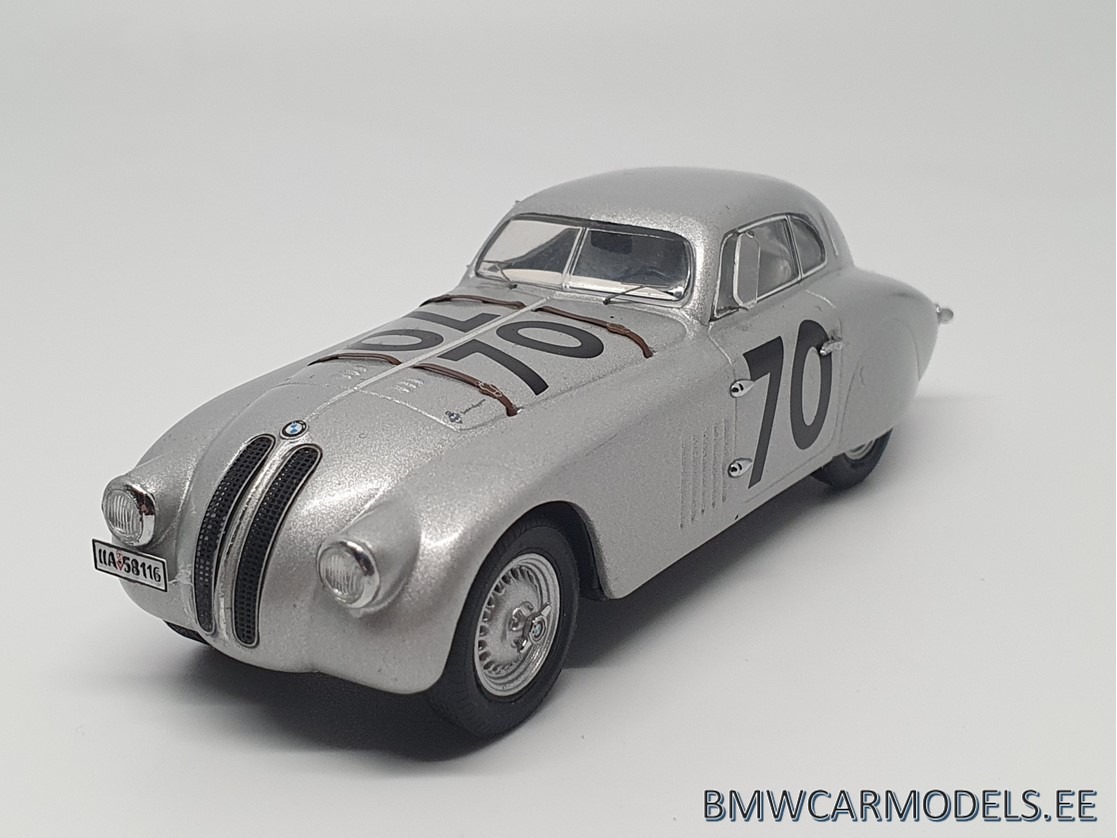
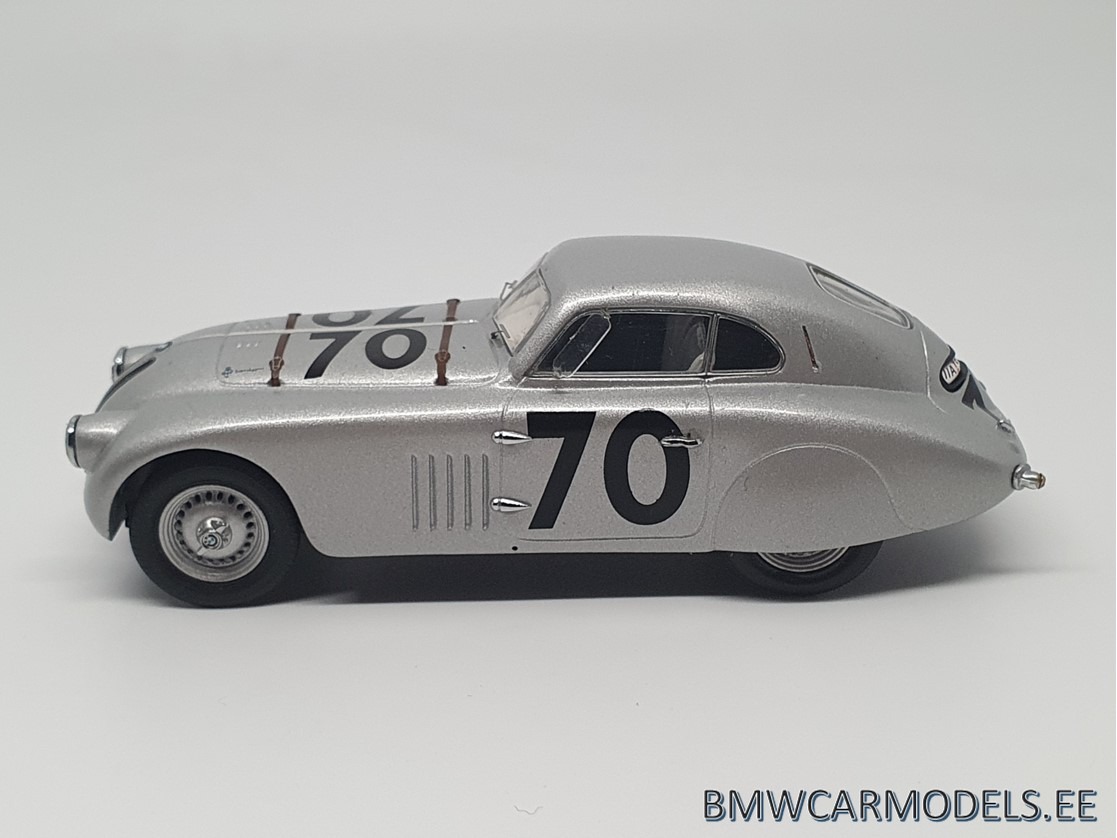
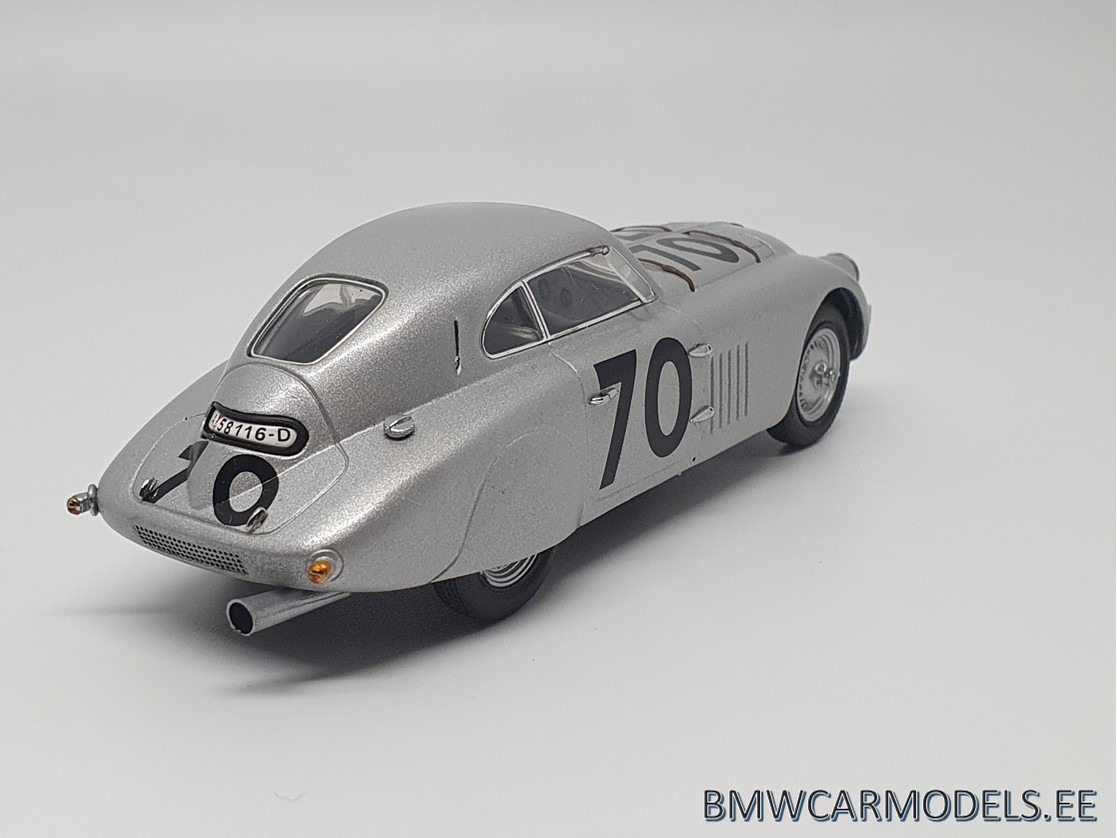
Minu kollektsioonis olev Schuco mudelauto kujutab 1940. aasta autot ning pärineb piiratud tiraažist, kokku toodeti 1000 eksemplari.
Tehnilised andmed lühidalt:
Tootmisaeg: 1940
Tootmiskoht: Saksamaa / Itaalia
Mootor: 2,0 l ridakuues, 1971 cm³
Võimsus: umbes 135–136 hj
Tootmisarv: 1 auto
Eripära: 1940. aasta Mille Miglia üldvõitja stardinumbri 70 all, Touring Superleggera kerega BMW 328 võistluskupee
The BMW 328 Coupé Mille Miglia represents the most famous and historically significant culmination of the entire BMW 328 development line. While the standard BMW 328 established the model’s sporting reputation and the later Rennversion and roadster derivatives pushed it further into competition, it was the 1940 Mille Miglia Touring Coupé that brought this evolution to its victorious peak. This was the car that not only competed in the legendary 1000-mile Italian road race, but won it outright. According to BMW’s own historical record, this was an extraordinary achievement, and the winning car carried starting number 70 with Fritz Huschke von Hanstein and Walter Bäumer at the wheel.
Technically, the BMW 328 Coupé Mille Miglia was based on the racing development of the 328, but its body was built by Carrozzeria Touring in Milan using the famous Superleggera construction method. This meant a lightweight tubular framework with thin aluminium body panels, helping to make the car both very light and highly aerodynamic. Sources indicate that Touring built only three such cars in total: two roadsters and one coupé, which led BMW’s factory team in 1939 and 1940. The engine was a 2.0-litre inline-six with a displacement of 1971 cc, producing around 135–136 horsepower. It was this combination that allowed the car to achieve an average speed of 166.7 km/h in the 1940 Mille Miglia, a record that remained unequalled in the history of the event.
The BMW 328 Coupé Mille Miglia stood apart from other 328 derivatives not only because of its result, but also because of its character. While the roadster versions represented one important branch of the 328’s racing evolution, the Touring Coupé was the most radical and elegant expression of that idea. Today it is regarded as one of the most iconic pre-war BMWs, and only a single original example is known to survive. For that reason, the car is important not only in BMW’s own racing history, but in the wider story of pre-war European sports cars.
The Schuco model car in my collection represents a 1940 car and comes from a limited production run, with 1,000 pieces produced in total.
Technical data at a glance:
Production period: 1940
Production location: Germany / Italy
Engine: 2.0-litre inline-six, 1971 cc
Power output: approx. 135–136 hp
Production total: 1 car
Special feature: the overall winner of the 1940 Mille Miglia, BMW 328 competition coupé with Touring Superleggera bodywork and starting number 70
BMW 328 Coupé Mille Miglia tähistab kogu BMW 328 arenguliini kõige kuulsamat ja ajalooliselt olulisemat kulminatsiooni. Kui tavaline BMW 328 pani aluse mudeli sportlikule mainele ning hilisemad Rennversioni ja roadsteri eriversioonid viisid selle võidusõiduks üha kaugemale, siis just 1940. aasta Mille Miglia Touring Coupé viis selle arengu võiduka lõpuni. Tegemist oli autoga, mis mitte ainult ei osalenud legendaarsel 1000-miilisel Itaalia maanteevõistlusel, vaid võitis selle üldarvestuses. BMW ametliku ajalookäsitluse järgi oli see võit erakordne saavutus ning võiduauto kandis stardinumbrit 70, roolis Fritz Huschke von Hanstein ja Walter Bäumer.
Tehniliselt põhines BMW 328 Coupé Mille Miglia 328 võidusõiduarendusel, kuid selle kere valmistas Carrozzeria Touring Milanos, kasutades kuulsat Superleggera konstruktsiooni. See tähendas kerget toruraami ja õhukesi alumiiniumpaneele, mis aitasid hoida auto väga kerge ja aerodünaamilisena. Allikate järgi valmis Touringul kokku kolm sellist autot: kaks roadsterit ja üks coupé, mis juhtis BMW tehasemeeskonda 1939. ja 1940. aastal. Mootoriks oli 2,0-liitrine ridakuues töömahuga 1971 cm³ ning võimsus ulatus umbes 135–136 hobujõuni. Just see kombinatsioon võimaldas autol saavutada 1940. aasta Mille Miglial keskmise kiiruse 166,7 km/h, mis jäi selle võistluse ajalukku rekordina, mida enam ei ületatud.
BMW 328 Coupé Mille Miglia eristus teistest 328 derivaatidest mitte ainult tulemuse, vaid ka olemuse poolest. Kui roadster-versioonid esindasid 328 arengus üht olulist võidusõiduharu, siis Touring Coupé kujutas selle idee kõige radikaalsemat ja elegantsemat teostust. Tänapäeval peetakse seda üheks kõige ikoonilisemaks sõjaeelseks BMW-ks ning teadaolevalt on säilinud vaid üks originaaleksemplar. Seetõttu on see auto oluline mitte ainult BMW võidusõiduajaloo, vaid kogu Euroopa sõjaeelse sportautokultuuri seisukohalt.
Minu kollektsioonis olev Schuco mudelauto kujutab 1940. aasta autot ning pärineb piiratud tiraažist, kokku toodeti 1000 eksemplari.
Tehnilised andmed lühidalt:
Tootmisaeg: 1940
Tootmiskoht: Saksamaa / Itaalia
Mootor: 2,0 l ridakuues, 1971 cm³
Võimsus: umbes 135–136 hj
Tootmisarv: 1 auto
Eripära: 1940. aasta Mille Miglia üldvõitja stardinumbri 70 all, Touring Superleggera kerega BMW 328 võistluskupee
The BMW 328 Coupé Mille Miglia represents the most famous and historically significant culmination of the entire BMW 328 development line. While the standard BMW 328 established the model’s sporting reputation and the later Rennversion and roadster derivatives pushed it further into competition, it was the 1940 Mille Miglia Touring Coupé that brought this evolution to its victorious peak. This was the car that not only competed in the legendary 1000-mile Italian road race, but won it outright. According to BMW’s own historical record, this was an extraordinary achievement, and the winning car carried starting number 70 with Fritz Huschke von Hanstein and Walter Bäumer at the wheel.
Technically, the BMW 328 Coupé Mille Miglia was based on the racing development of the 328, but its body was built by Carrozzeria Touring in Milan using the famous Superleggera construction method. This meant a lightweight tubular framework with thin aluminium body panels, helping to make the car both very light and highly aerodynamic. Sources indicate that Touring built only three such cars in total: two roadsters and one coupé, which led BMW’s factory team in 1939 and 1940. The engine was a 2.0-litre inline-six with a displacement of 1971 cc, producing around 135–136 horsepower. It was this combination that allowed the car to achieve an average speed of 166.7 km/h in the 1940 Mille Miglia, a record that remained unequalled in the history of the event.
The BMW 328 Coupé Mille Miglia stood apart from other 328 derivatives not only because of its result, but also because of its character. While the roadster versions represented one important branch of the 328’s racing evolution, the Touring Coupé was the most radical and elegant expression of that idea. Today it is regarded as one of the most iconic pre-war BMWs, and only a single original example is known to survive. For that reason, the car is important not only in BMW’s own racing history, but in the wider story of pre-war European sports cars.
The Schuco model car in my collection represents a 1940 car and comes from a limited production run, with 1,000 pieces produced in total.
Technical data at a glance:
Production period: 1940
Production location: Germany / Italy
Engine: 2.0-litre inline-six, 1971 cc
Power output: approx. 135–136 hp
Production total: 1 car
Special feature: the overall winner of the 1940 Mille Miglia, BMW 328 competition coupé with Touring Superleggera bodywork and starting number 70
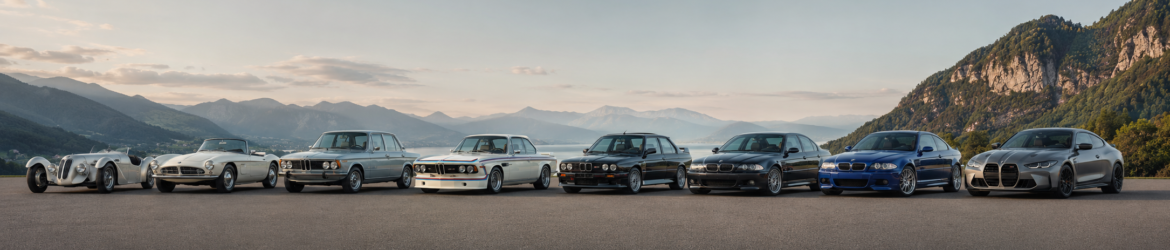
Foto päris autost. Allikas: supercars.net.
Photo of the actual car. Source: supercars.net.