BMW 2004 oli üks kõige omapärasemaid ja vähemtuntud mudeleid BMW ajaloos, sest tegemist oli Lõuna-Aafrikas toodetud eriversiooniga, mis sündis väga kohalikes oludes ja vajadustes. Selle mudeli juured ulatusid BMW 1800 SA ja 2000 SA versioonideni, mis omakorda põhinesid Glasi tehase pärandil. 1970. aastate alguses otsustati neid autosid põhjalikumalt ümber kujundada, et viia nende välimus lähemale BMW tavapärasele disainikeelele ja tugevdada margi kuvandit Lõuna-Aafrika turul. Nii jõudis 1973. aastal müügile BMW 2004, mis kujutas endast huvitavat segu kohalikust arendusest, BMW tehnikast ja erandlikust mudeliloost.
Tehniliselt kasutas BMW 2004 2,0-liitrist neljasilindrilist mootorit, mille võimsus oli 100 hobujõudu. Mudel osutus müüginumbritelt edukamaks kui samal ajal pakutud 1804, kuid jäi siiski suhteliselt haruldaseks. Usaldusväärsete allikate põhjal toodeti BMW 2004 kokku 1288 eksemplari, mis annab sellele mudelile väga erilise koha BMW ajaloos. Just see väike tootmismaht, Lõuna-Aafrika päritolu ja üsna ebatavaline taust teevad 2004-st ühe põnevama kõrvalharu kogu margi arenguloos.
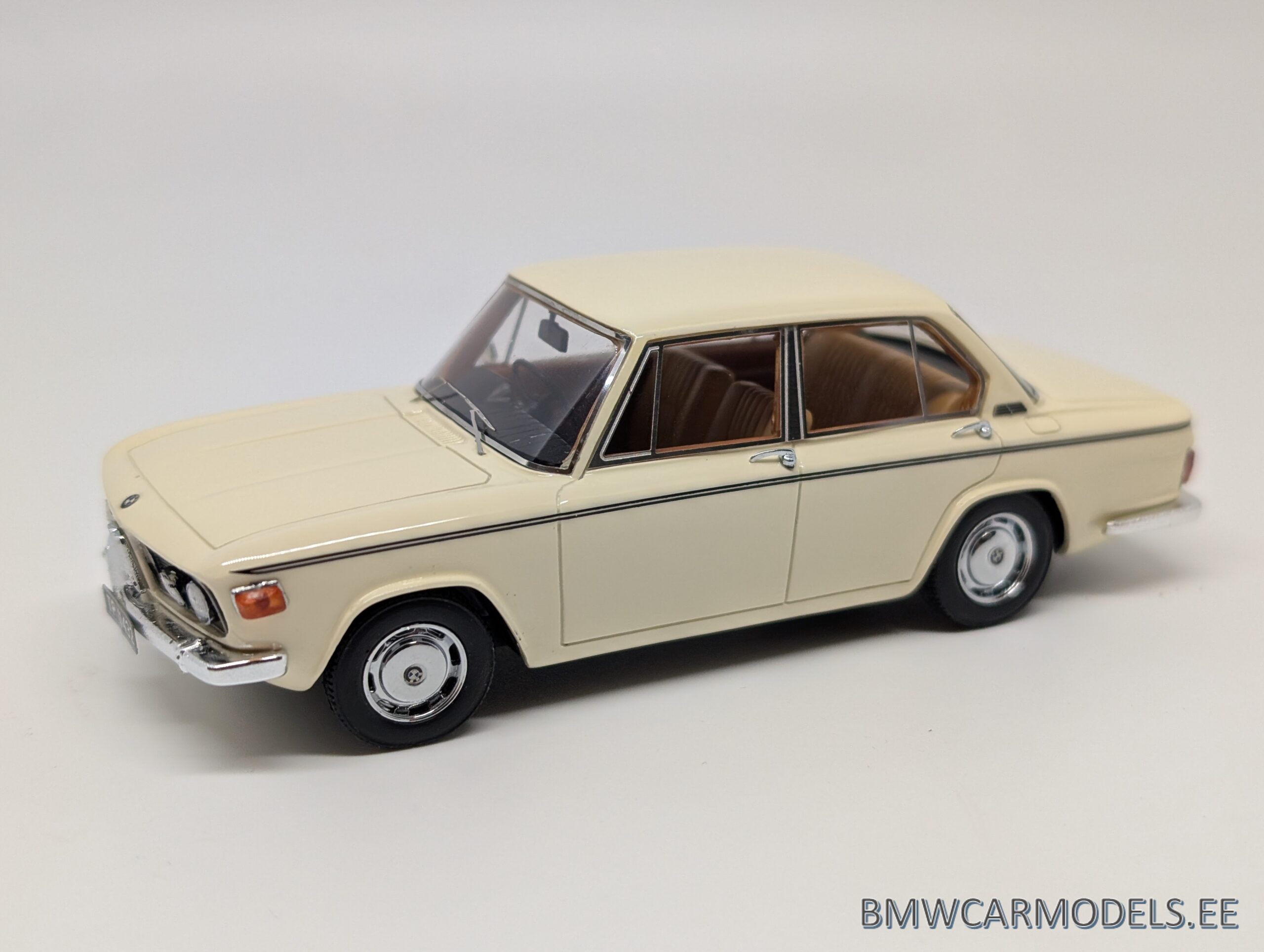
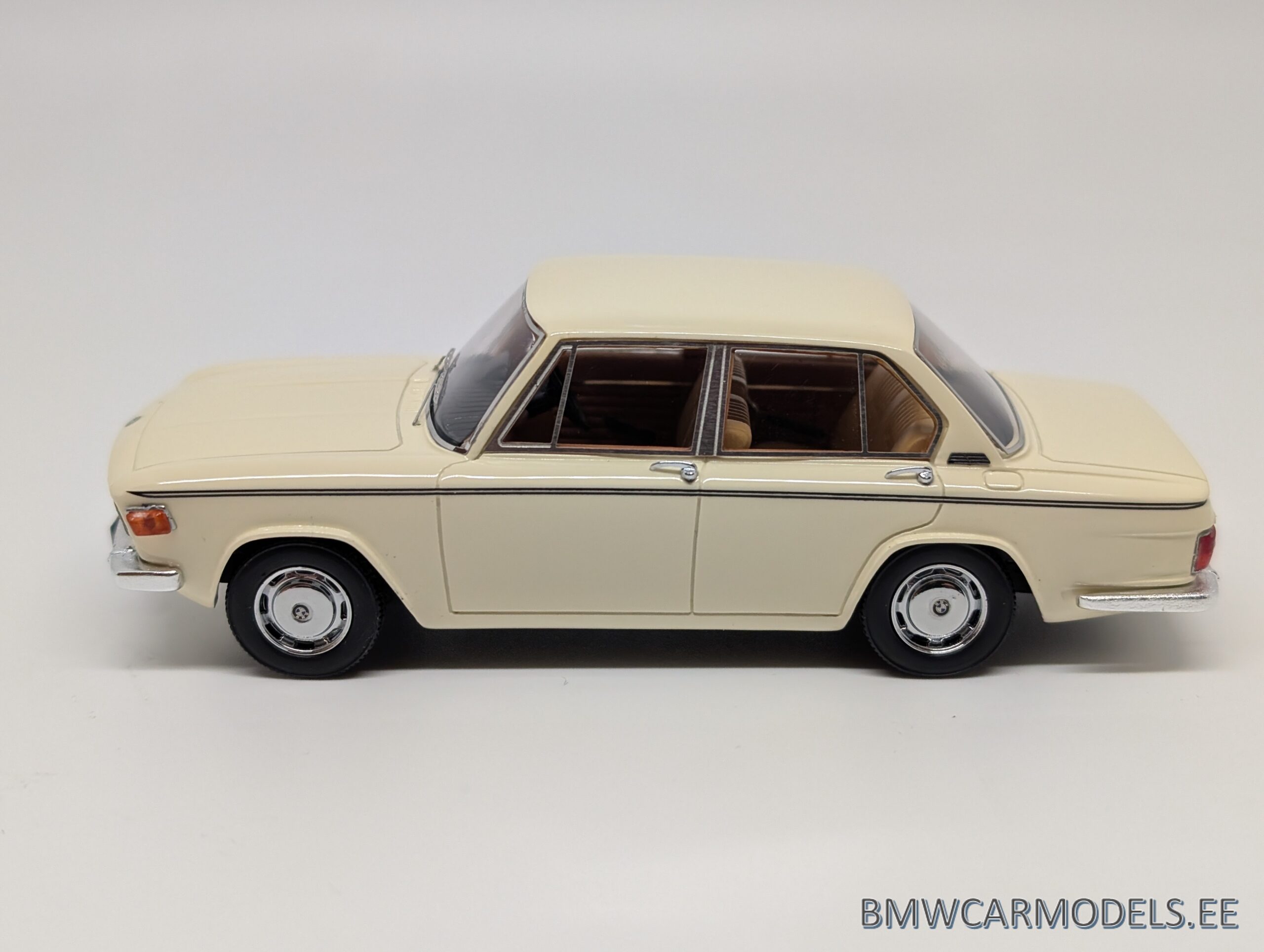
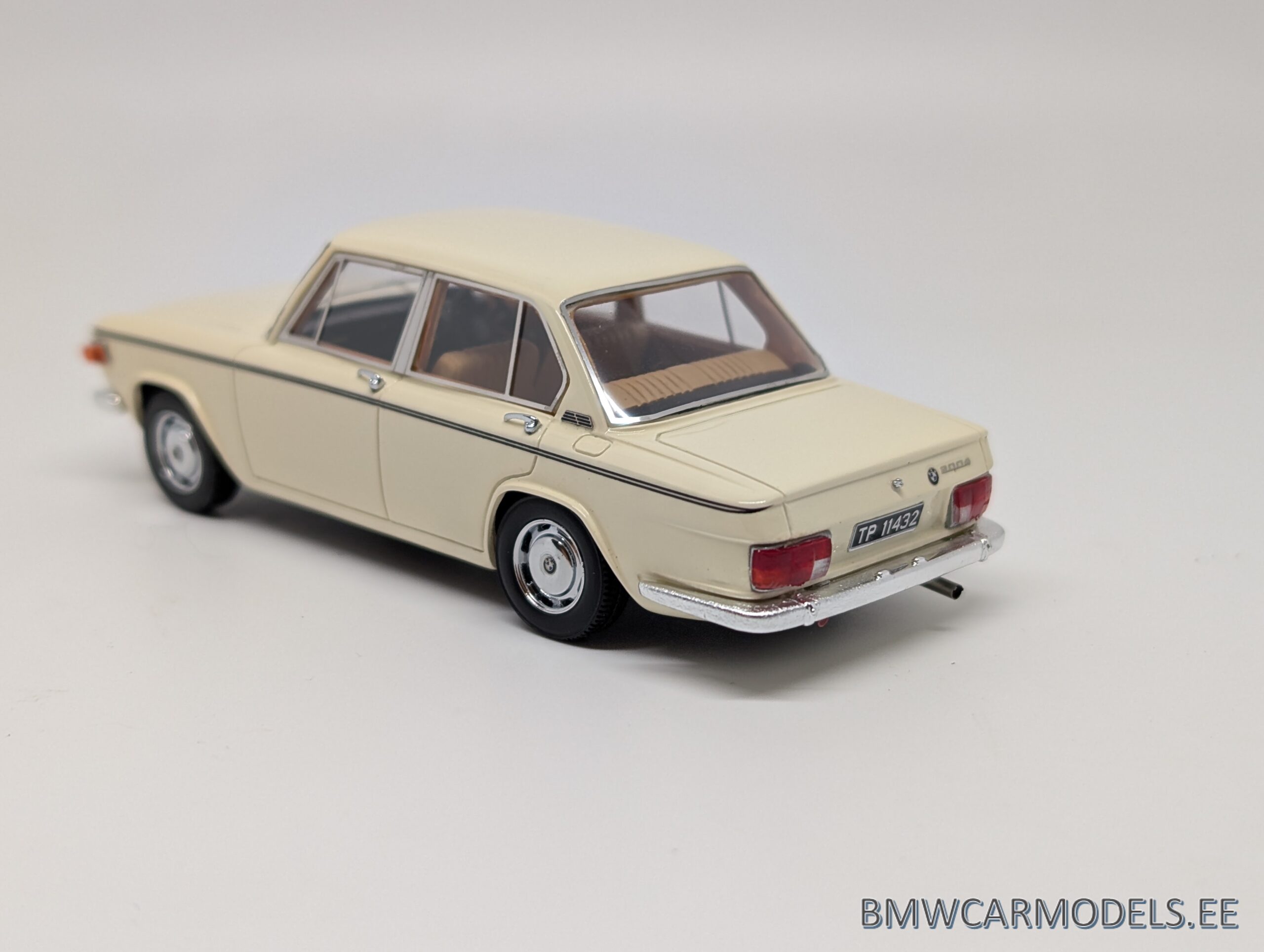
Minu kollektsioonis olev Autoculti mudelauto pärineb piiratud tiraažist, kokku toodeti 333 eksemplari.
Tehnilised andmed lühidalt:
Tootmisaeg: 1973–1974
Tootmiskoht: Lõuna-Aafrika
Mootor: 2,0 l ridaneli, 1990 cm³
Võimsus: 100 hj
Tootmisarv: 1288 autot
Eripära: Lõuna-Aafrikas toodetud haruldane BMW erimudel, mis ühendas Glasi päritolu kere ja BMW tehnika
The BMW 2004 was one of the most unusual and lesser-known models in BMW history, because it was a South African-produced special version created under very local circumstances and requirements. The model had its roots in the BMW 1800 SA and 2000 SA, which in turn were derived from the legacy of the Glas factory. In the early 1970s, these cars were substantially redesigned in order to bring their appearance closer to BMW’s typical design language and to strengthen the brand’s image in the South African market. This led to the launch of the BMW 2004 in 1973, a fascinating combination of local development, BMW engineering and an exceptional model story.
Technically, the BMW 2004 used a 2.0-litre four-cylinder engine producing 100 horsepower. The model proved more successful in sales than the 1804 offered alongside it, but it still remained relatively rare. Reliable sources indicate that a total of 1,288 BMW 2004s were built, giving the car a very special place in BMW history. It is precisely this low production total, its South African origin and its rather unusual background that make the 2004 one of the more intriguing side branches in the development of the marque.
The AutoCult model car in my collection comes from a limited production run, with 333 pieces produced in total.
Technical data at a glance:
Production period: 1973–1974
Production location: South Africa
Engine: 2.0-litre inline-four, 1990 cc
Power output: 100 hp
Production total: 1,288 cars
Special feature: a rare BMW special model built in South Africa, combining Glas-derived bodywork with BMW engineering
BMW 2004 oli üks kõige omapärasemaid ja vähemtuntud mudeleid BMW ajaloos, sest tegemist oli Lõuna-Aafrikas toodetud eriversiooniga, mis sündis väga kohalikes oludes ja vajadustes. Selle mudeli juured ulatusid BMW 1800 SA ja 2000 SA versioonideni, mis omakorda põhinesid Glasi tehase pärandil. 1970. aastate alguses otsustati neid autosid põhjalikumalt ümber kujundada, et viia nende välimus lähemale BMW tavapärasele disainikeelele ja tugevdada margi kuvandit Lõuna-Aafrika turul. Nii jõudis 1973. aastal müügile BMW 2004, mis kujutas endast huvitavat segu kohalikust arendusest, BMW tehnikast ja erandlikust mudeliloost.
Tehniliselt kasutas BMW 2004 2,0-liitrist neljasilindrilist mootorit, mille võimsus oli 100 hobujõudu. Mudel osutus müüginumbritelt edukamaks kui samal ajal pakutud 1804, kuid jäi siiski suhteliselt haruldaseks. Usaldusväärsete allikate põhjal toodeti BMW 2004 kokku 1288 eksemplari, mis annab sellele mudelile väga erilise koha BMW ajaloos. Just see väike tootmismaht, Lõuna-Aafrika päritolu ja üsna ebatavaline taust teevad 2004-st ühe põnevama kõrvalharu kogu margi arenguloos.
Minu kollektsioonis olev Autoculti mudelauto pärineb piiratud tiraažist, kokku toodeti 333 eksemplari.
Tehnilised andmed lühidalt:
Tootmisaeg: 1973–1974
Tootmiskoht: Lõuna-Aafrika
Mootor: 2,0 l ridaneli, 1990 cm³
Võimsus: 100 hj
Tootmisarv: 1288 autot
Eripära: Lõuna-Aafrikas toodetud haruldane BMW erimudel, mis ühendas Glasi päritolu kere ja BMW tehnika
The BMW 2004 was one of the most unusual and lesser-known models in BMW history, because it was a South African-produced special version created under very local circumstances and requirements. The model had its roots in the BMW 1800 SA and 2000 SA, which in turn were derived from the legacy of the Glas factory. In the early 1970s, these cars were substantially redesigned in order to bring their appearance closer to BMW’s typical design language and to strengthen the brand’s image in the South African market. This led to the launch of the BMW 2004 in 1973, a fascinating combination of local development, BMW engineering and an exceptional model story.
Technically, the BMW 2004 used a 2.0-litre four-cylinder engine producing 100 horsepower. The model proved more successful in sales than the 1804 offered alongside it, but it still remained relatively rare. Reliable sources indicate that a total of 1,288 BMW 2004s were built, giving the car a very special place in BMW history. It is precisely this low production total, its South African origin and its rather unusual background that make the 2004 one of the more intriguing side branches in the development of the marque.
The AutoCult model car in my collection comes from a limited production run, with 333 pieces produced in total.
Technical data at a glance:
Production period: 1973–1974
Production location: South Africa
Engine: 2.0-litre inline-four, 1990 cc
Power output: 100 hp
Production total: 1,288 cars
Special feature: a rare BMW special model built in South Africa, combining Glas-derived bodywork with BMW engineering
Foto päris autost. Allikas: curbsideclassic.com
Photo of the actual car. Source: curbsideclassic.com