BMW 320i Touring (E30) kuulus teise põlvkonna 3. seeria kõige iseloomulikumate praktiliste mudelite hulka ning oli üks neist autodest, mis aitas muuta BMW Touringu kontseptsiooni püsivaks osaks margi mudelivalikust. E30 Touring esitleti 1987. aastal ning see tõi 3. seeria maailma viieukselise kere, mis ühendas igapäevase kasutatavuse ja sportliku sõidutunde. 320i Touring pakkus seejuures kuuesilindrilise mootori tõttu juba selgelt rafineeritumat ja jõulisemat iseloomu kui väiksemad neljasilindrilised versioonid, säilitades samal ajal E30 põlvkonnale omase kompaktse mõõdu ja juhikeskse olemuse.
Tehniliselt kasutas BMW 320i Touring 2,0-liitrist ridakuue mootorit, mille võimsus ulatus sõltuvalt versioonist umbes 125–129 hobujõuni. 1989. aasta auto esindab E30 Touringu küpsemat tootmisperioodi, mil see mudel oli juba kindlalt tõestanud, et universaalkere ei pea BMW puhul tähendama loobumist sportlikkusest. Just E30 Touring lõi tugeva aluse kõigile hilisematele 3. seeria Touring mudelitele.
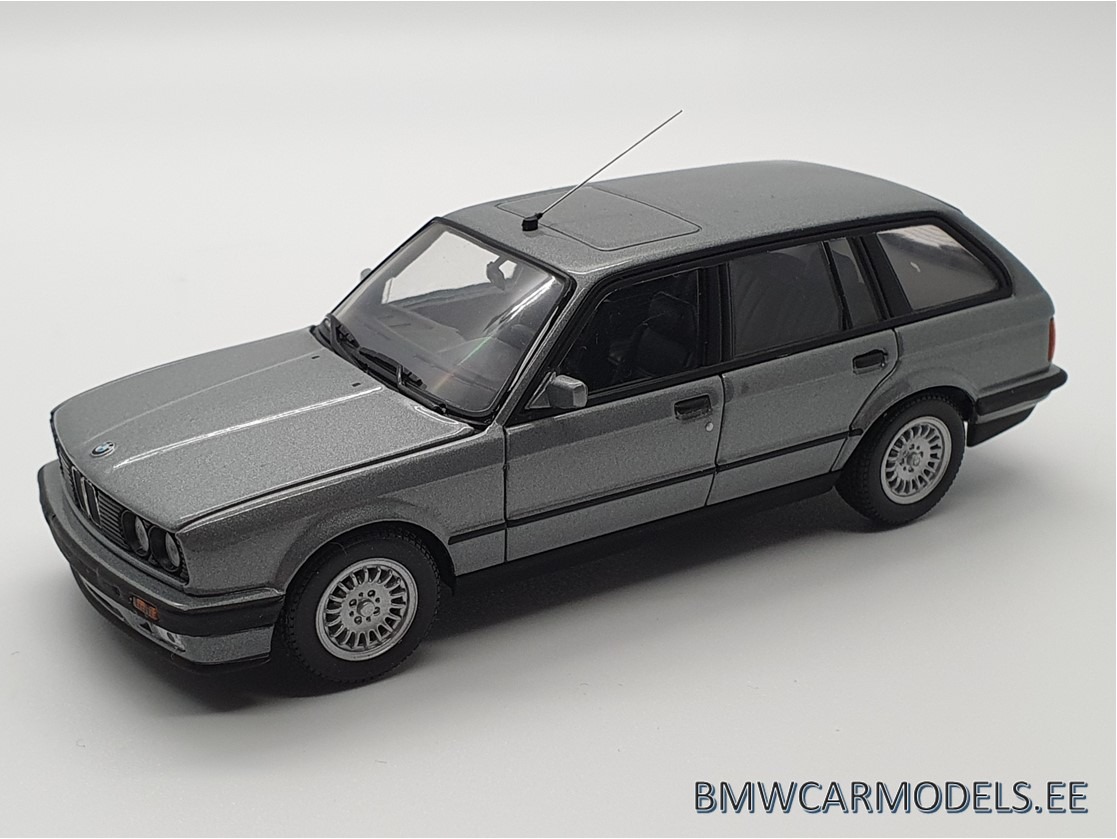
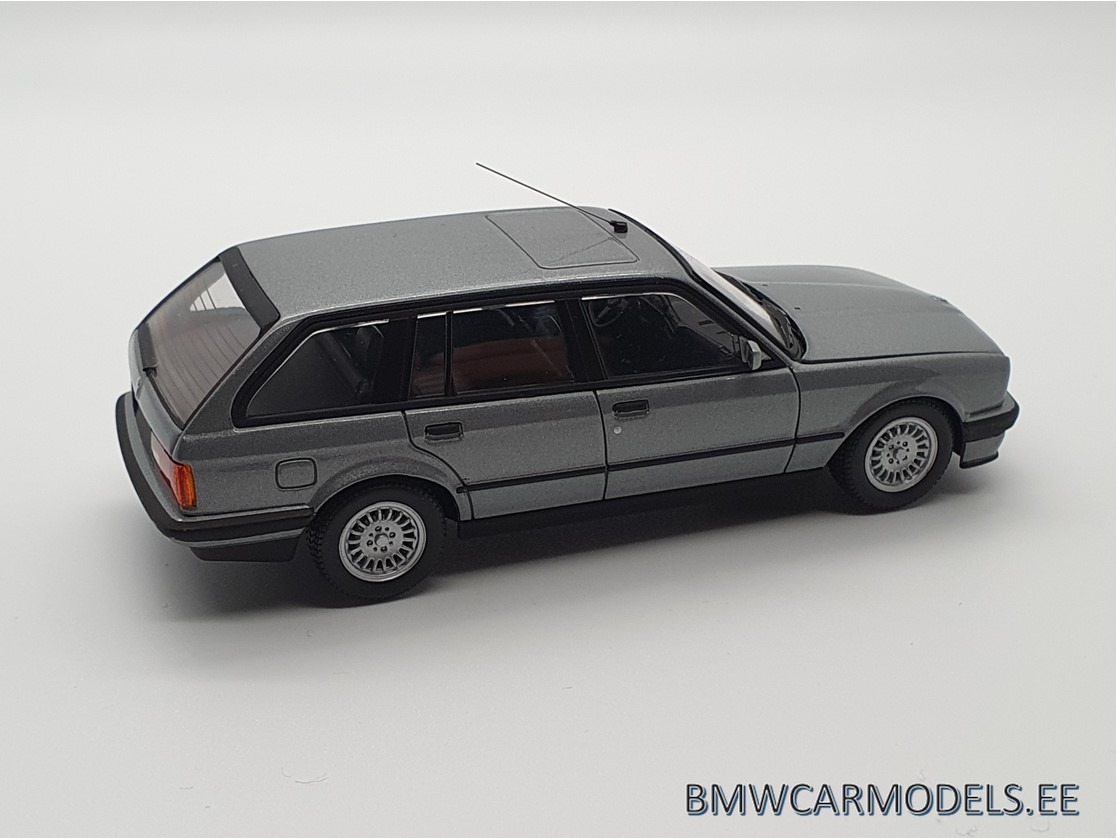
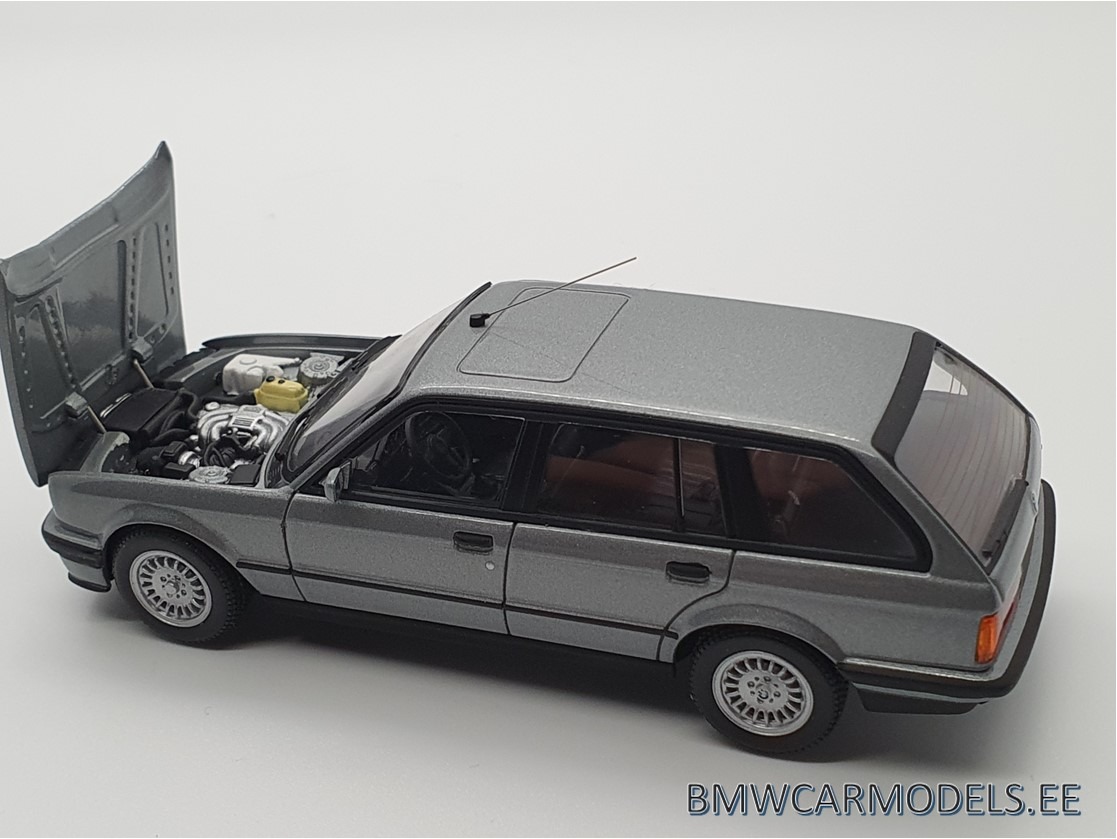
Minu kollektsioonis olev mudel on Minichampsi toodang. Mudelit toodeti 2016 eksemplari ning see kujutab 1989. aasta autot.
Tehnilised andmed lühidalt:
Tootmisaeg: 1988–1991 320i Touringuna.
Tootmiskoht: Saksamaa.
Mootor: 2,0 l ridakuus.
Võimsus: umbes 125–129 hj.
Tootmisarv: E30 Touring kerega kokku 103 704 autot; 320i kogutoodang kogu E30 mudeliperes 461 479 autot.
Eripära: üks esimestest BMW Touring mudelitest, mis ühendas universaalkere ja kuuesilindrilise sõiduelamuse.
The BMW 320i Touring (E30) was one of the most characteristic practical models of the second-generation 3 Series and one of the cars that helped establish the Touring concept as a permanent part of BMW’s model range. The E30 Touring was introduced in 1987 and brought a five-door body into the 3 Series world, combining everyday usability with a sporting driving feel. In 320i Touring form, the car already offered a more refined and stronger character thanks to its six-cylinder engine, while still preserving the compact dimensions and driver-focused nature that defined the E30 generation.
Technically, the BMW 320i Touring used a 2.0-litre inline-six producing around 125–129 horsepower depending on version. A 1989 car represents the more mature production period of the E30 Touring, by which time the model had already proven that an estate body did not have to mean giving up sportiness in a BMW. It was the E30 Touring that laid the foundation for all later 3 Series Touring models.
The model in my collection is produced by Minichamps. A total of 2,016 model cars were made, and it represents a 1989 car.
Technical data at a glance:
Production period: 1988–1991 as the 320i Touring.
Production location: Germany.
Engine: 2.0-litre inline-six.
Power output: around 125–129 hp.
Production total: 103,704 E30 Touring bodies in total; 461,479 320i cars across the full E30 family.
Special feature: one of the earliest BMW Touring models to combine an estate body with six-cylinder BMW driving character.
BMW 320i Touring (E30) kuulus teise põlvkonna 3. seeria kõige iseloomulikumate praktiliste mudelite hulka ning oli üks neist autodest, mis aitas muuta BMW Touringu kontseptsiooni püsivaks osaks margi mudelivalikust. E30 Touring esitleti 1987. aastal ning see tõi 3. seeria maailma viieukselise kere, mis ühendas igapäevase kasutatavuse ja sportliku sõidutunde. 320i Touring pakkus seejuures kuuesilindrilise mootori tõttu juba selgelt rafineeritumat ja jõulisemat iseloomu kui väiksemad neljasilindrilised versioonid, säilitades samal ajal E30 põlvkonnale omase kompaktse mõõdu ja juhikeskse olemuse.
Tehniliselt kasutas BMW 320i Touring 2,0-liitrist ridakuue mootorit, mille võimsus ulatus sõltuvalt versioonist umbes 125–129 hobujõuni. 1989. aasta auto esindab E30 Touringu küpsemat tootmisperioodi, mil see mudel oli juba kindlalt tõestanud, et universaalkere ei pea BMW puhul tähendama loobumist sportlikkusest. Just E30 Touring lõi tugeva aluse kõigile hilisematele 3. seeria Touring mudelitele.
Minu kollektsioonis olev mudel on Minichampsi toodang. Mudelit toodeti 2016 eksemplari ning see kujutab 1989. aasta autot.
Tehnilised andmed lühidalt:
Tootmisaeg: 1988–1991 320i Touringuna.
Tootmiskoht: Saksamaa.
Mootor: 2,0 l ridakuus.
Võimsus: umbes 125–129 hj.
Tootmisarv: E30 Touring kerega kokku 103 704 autot; 320i kogutoodang kogu E30 mudeliperes 461 479 autot.
Eripära: üks esimestest BMW Touring mudelitest, mis ühendas universaalkere ja kuuesilindrilise sõiduelamuse.
The BMW 320i Touring (E30) was one of the most characteristic practical models of the second-generation 3 Series and one of the cars that helped establish the Touring concept as a permanent part of BMW’s model range. The E30 Touring was introduced in 1987 and brought a five-door body into the 3 Series world, combining everyday usability with a sporting driving feel. In 320i Touring form, the car already offered a more refined and stronger character thanks to its six-cylinder engine, while still preserving the compact dimensions and driver-focused nature that defined the E30 generation.
Technically, the BMW 320i Touring used a 2.0-litre inline-six producing around 125–129 horsepower depending on version. A 1989 car represents the more mature production period of the E30 Touring, by which time the model had already proven that an estate body did not have to mean giving up sportiness in a BMW. It was the E30 Touring that laid the foundation for all later 3 Series Touring models.
The model in my collection is produced by Minichamps. A total of 2,016 model cars were made, and it represents a 1989 car.
Technical data at a glance:
Production period: 1988–1991 as the 320i Touring.
Production location: Germany.
Engine: 2.0-litre inline-six.
Power output: around 125–129 hp.
Production total: 103,704 E30 Touring bodies in total; 461,479 320i cars across the full E30 family.
Special feature: one of the earliest BMW Touring models to combine an estate body with six-cylinder BMW driving character.
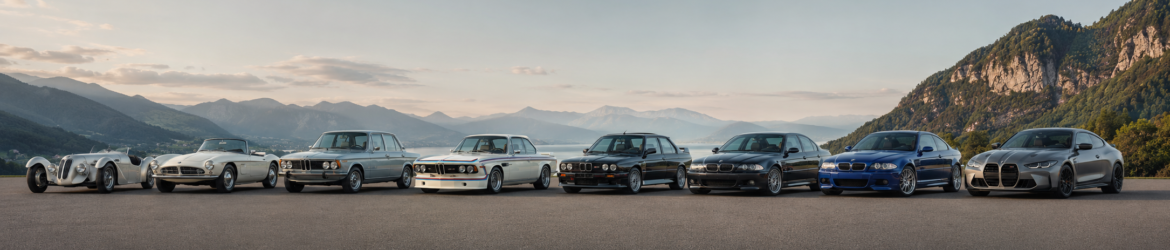
Foto päris autost. Allikas: bmwgroup-classic.com.
Photo of the actual car. Source: bmwgroup-classic.com.