BMW 503 Coupé oli üks 1950. aastate elegantsemaid ja eksklusiivsemaid Saksa gran turismo tüüpi sõidukeid. Mudel esitleti avalikkusele 1955. aasta septembris Frankfurdi IAA autonäitusel, kus see oli BMW teine suur uudis legendaarse BMW 507 kõrval. 503 tähistas BMW püüdu naasta sõjajärgsel ajal luksusautode turule ning oli mõeldud jõukale kliendile, kes hindas Saksa tehnikat, kõrget koostekvaliteeti ja elegantset disaini.
BMW 503 oli luksuslik 2+2-kohaline auto, mida esitleti nii kupee kui ka kabrioletina. Auto disainis Albrecht Graf von Goertz, kelle nimi on tihedalt seotud ka BMW 507-ga. Kui 507 oli avatud ja sportlik roadster, siis BMW 503 oli luksuslikum ning vaoshoitum gran turismo, mis ühendas pika kapoti, voolujoonelise kere ja elegantse salongi. See eristas 503 selgelt BMW väiksematest mudelitest ning paigutas selle margi tootevaliku tippu.
Tehniliselt kasutas BMW 503 täisalumiiniumist 3,2-liitrist V8-mootorit töömahuga 3168 cm³. Mootor arendas 140 hobujõudu 4800 p/min juures ning võimaldas autol saavutada tippkiiruseks 190 km/h. Jõud suunati tagaratastele neljakäigulise manuaalkäigukasti kaudu. 1950. aastate keskpaiga kohta oli tegemist väga muljetavaldava tehnilise lahendusega, eriti arvestades auto luksuslikku ja mugavusele suunatud iseloomu.
BMW 503 paistis silma ka oma varustuse ja viimistluse poolest. Salongis kasutati kvaliteetseid materjale, nahkpolstrit ja käsitööd, mis rõhutasid auto eksklusiivset iseloomu. Tegemist oli suures osas käsitööna valminud luksusautoga, mille tootmine oli aeglane ja kulukas. See tegi 503-st ühe BMW kõige esinduslikuma 1950. aastate sõiduauto.
Kuigi BMW 503 oli tehniliselt arenenud ja esteetiliselt väga õnnestunud mudel, jäi selle müük kõrge hinna ja piiratud sihtrühma tõttu tagasihoidlikuks. Tootmine kestis 1956. aastast kuni 1960. aasta kevadeni ning kokku valmis vaid 273 kupeed. Seetõttu on BMW 503 Coupé tänapäeval üks haruldasemaid ja hinnatumaid BMW sõjajärgseid luksusmudeleid ning oluline peatükk BMW teel tagasi prestiižikate autode tootjate hulka.
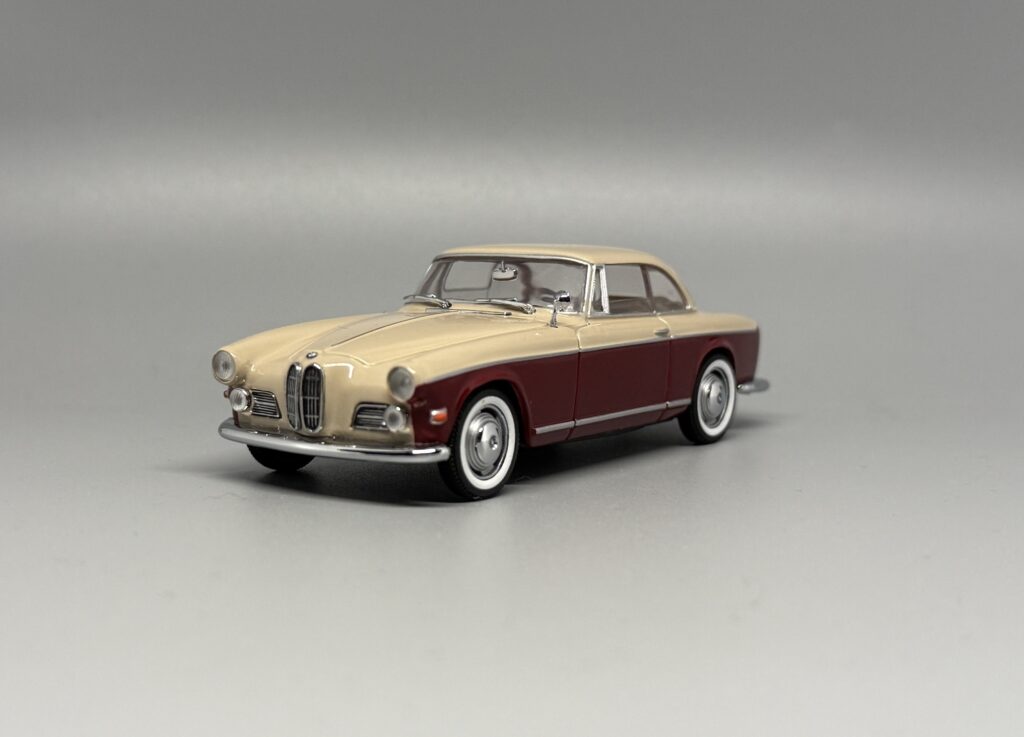
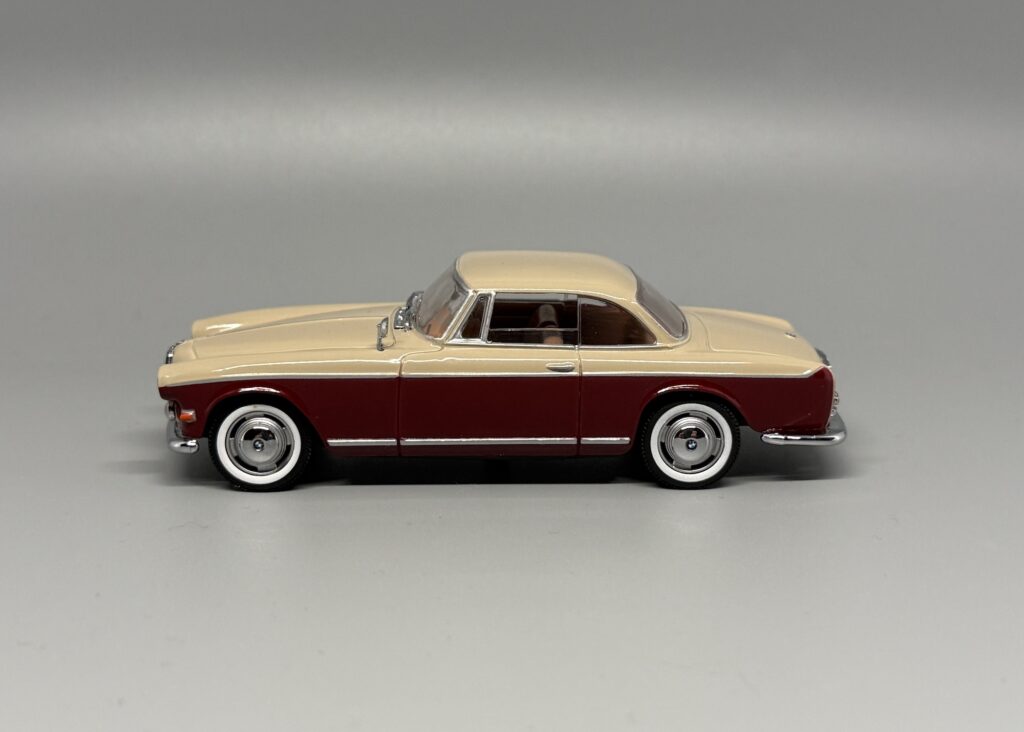
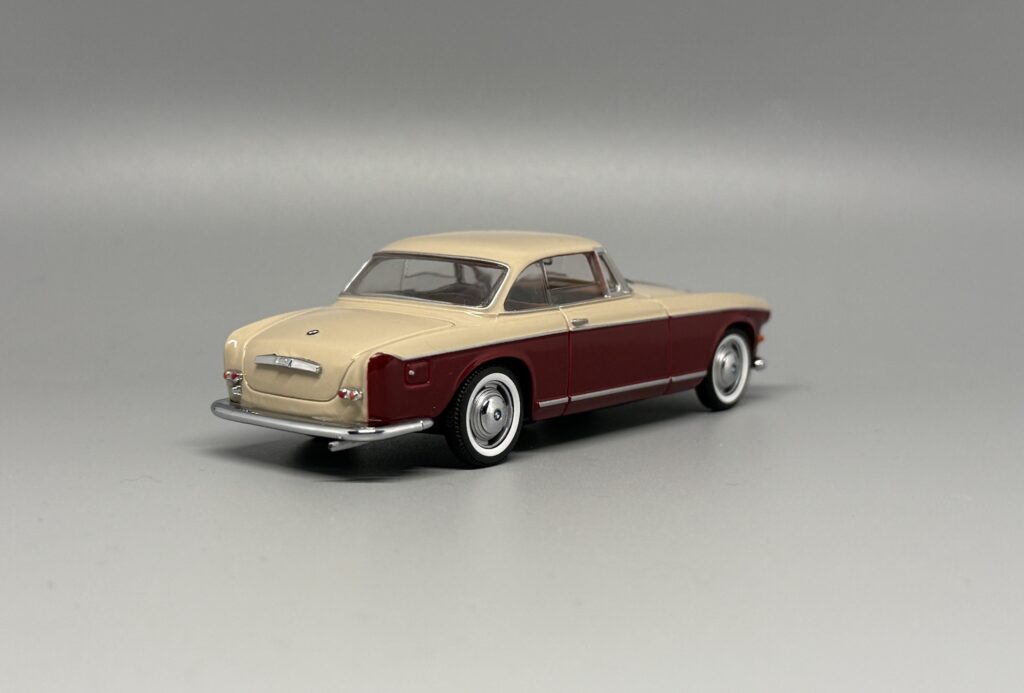
Minu kollektsioonis olev mudel on Detail Carsi toodang. Tegemist on BMW esinduse tellimusel valmistatud reklaammudeliga, mis oli mõeldud kasutamiseks müügi- ja esitlusmudelina.
Tehnilised andmed lühidalt:
Tootmisaeg: 1956–1960
Tootmiskoht: München, Saksamaa
Keretüüp: kaheukseline 2+2 kupee
Mootor: 3,2 l V8
Töömaht: 3168 cm³
Võimsus: 140 hj
Käigukast: 4-käiguline manuaal
Veoskeem: tagavedu
Tippkiirus: 190 km/h
Tootmisarv: 273 kupeed
Eripära: suures osas käsitööna valminud luksuslik 1950. aastate BMW gran turismo, mida esitleti koos BMW 507-ga ja mille disainis Albrecht Graf von Goertz
BMW 503 Coupé was one of the most elegant and exclusive German gran turismo cars of the 1950s. The model made its public debut at the IAA Frankfurt Motor Show in September 1955, where it was BMW’s second major highlight alongside the legendary BMW 507. The 503 marked BMW’s attempt to return to the luxury-car market in the post-war period and was aimed at wealthy customers who valued German engineering, high build quality and elegant design.
The BMW 503 was a luxurious 2+2-seater car, presented as both a coupé and a convertible. It was designed by Albrecht Graf von Goertz, whose name is also closely connected with the BMW 507. While the 507 was an open and sporting roadster, the BMW 503 was a more luxurious and restrained gran turismo, combining a long bonnet, streamlined bodywork and an elegant interior. This clearly set the 503 apart from BMW’s smaller models and placed it at the top of the brand’s model range.
Technically, the BMW 503 used an all-aluminium 3.2-litre V8 engine with a displacement of 3168 cc. The engine produced 140 hp at 4800 rpm and allowed the car to reach a top speed of 190 km/h. Power was sent to the rear wheels through a four-speed manual gearbox. For the mid-1950s, this was a very impressive technical specification, especially considering the car’s luxurious and comfort-oriented character.
The BMW 503 also stood out for its equipment and finish. The interior featured high-quality materials, leather upholstery and craftsmanship, underlining the car’s exclusive nature. It was a largely hand-built luxury car, and its production was slow and costly. This made the 503 one of BMW’s most prestigious passenger cars of the 1950s.
Although the BMW 503 was technically advanced and aesthetically very successful, sales remained limited due to its high price and narrow target audience. Production lasted from 1956 until spring 1960, and only 273 coupés were built. Today, the BMW 503 Coupé is therefore one of the rarest and most highly regarded post-war BMW luxury models, as well as an important chapter in BMW’s return to the world of prestigious car manufacturers.
The model in my collection is produced by Detail Cars. It is a promotional model made for BMW dealerships and was intended for use as a sales and display model.
Technical data in brief:
Production period: 1956–1960
Production location: Munich, Germany
Body style: two-door 2+2 coupé
Engine: 3.2-litre V8
Displacement: 3168 cc
Power: 140 hp
Transmission: 4-speed manual
Drivetrain: rear-wheel drive
Top speed: 190 km/h
Production number: 273 coupés
Special feature: largely hand-built luxury BMW gran turismo of the 1950s, introduced alongside the BMW 507 and designed by Albrecht Graf von Goertz

BMW 503 Coupé oli üks 1950. aastate elegantsemaid ja eksklusiivsemaid Saksa gran turismo tüüpi sõidukeid. Mudel esitleti avalikkusele 1955. aasta septembris Frankfurdi IAA autonäitusel, kus see oli BMW teine suur uudis legendaarse BMW 507 kõrval. 503 tähistas BMW püüdu naasta sõjajärgsel ajal luksusautode turule ning oli mõeldud jõukale kliendile, kes hindas Saksa tehnikat, kõrget koostekvaliteeti ja elegantset disaini.
BMW 503 oli luksuslik 2+2-kohaline auto, mida esitleti nii kupee kui ka kabrioletina. Auto disainis Albrecht Graf von Goertz, kelle nimi on tihedalt seotud ka BMW 507-ga. Kui 507 oli avatud ja sportlik roadster, siis BMW 503 oli luksuslikum ning vaoshoitum gran turismo, mis ühendas pika kapoti, voolujoonelise kere ja elegantse salongi. See eristas 503 selgelt BMW väiksematest mudelitest ning paigutas selle margi tootevaliku tippu.
Tehniliselt kasutas BMW 503 täisalumiiniumist 3,2-liitrist V8-mootorit töömahuga 3168 cm³. Mootor arendas 140 hobujõudu 4800 p/min juures ning võimaldas autol saavutada tippkiiruseks 190 km/h. Jõud suunati tagaratastele neljakäigulise manuaalkäigukasti kaudu. 1950. aastate keskpaiga kohta oli tegemist väga muljetavaldava tehnilise lahendusega, eriti arvestades auto luksuslikku ja mugavusele suunatud iseloomu.
BMW 503 paistis silma ka oma varustuse ja viimistluse poolest. Salongis kasutati kvaliteetseid materjale, nahkpolstrit ja käsitööd, mis rõhutasid auto eksklusiivset iseloomu. Tegemist oli suures osas käsitööna valminud luksusautoga, mille tootmine oli aeglane ja kulukas. See tegi 503-st ühe BMW kõige esinduslikuma 1950. aastate sõiduauto.
Kuigi BMW 503 oli tehniliselt arenenud ja esteetiliselt väga õnnestunud mudel, jäi selle müük kõrge hinna ja piiratud sihtrühma tõttu tagasihoidlikuks. Tootmine kestis 1956. aastast kuni 1960. aasta kevadeni ning kokku valmis vaid 273 kupeed. Seetõttu on BMW 503 Coupé tänapäeval üks haruldasemaid ja hinnatumaid BMW sõjajärgseid luksusmudeleid ning oluline peatükk BMW teel tagasi prestiižikate autode tootjate hulka.
Minu kollektsioonis olev mudel on Detail Carsi toodang. Tegemist on BMW esinduse tellimusel valmistatud reklaammudeliga, mis oli mõeldud kasutamiseks müügi- ja esitlusmudelina.
Tehnilised andmed lühidalt:
Tootmisaeg: 1956–1960
Tootmiskoht: München, Saksamaa
Keretüüp: kaheukseline 2+2 kupee
Mootor: 3,2 l V8
Töömaht: 3168 cm³
Võimsus: 140 hj
Käigukast: 4-käiguline manuaal
Veoskeem: tagavedu
Tippkiirus: 190 km/h
Tootmisarv: 273 kupeed
Eripära: suures osas käsitööna valminud luksuslik 1950. aastate BMW gran turismo, mida esitleti koos BMW 507-ga ja mille disainis Albrecht Graf von Goertz
BMW 503 Coupé was one of the most elegant and exclusive German gran turismo cars of the 1950s. The model made its public debut at the IAA Frankfurt Motor Show in September 1955, where it was BMW’s second major highlight alongside the legendary BMW 507. The 503 marked BMW’s attempt to return to the luxury-car market in the post-war period and was aimed at wealthy customers who valued German engineering, high build quality and elegant design.
The BMW 503 was a luxurious 2+2-seater car, presented as both a coupé and a convertible. It was designed by Albrecht Graf von Goertz, whose name is also closely connected with the BMW 507. While the 507 was an open and sporting roadster, the BMW 503 was a more luxurious and restrained gran turismo, combining a long bonnet, streamlined bodywork and an elegant interior. This clearly set the 503 apart from BMW’s smaller models and placed it at the top of the brand’s model range.
Technically, the BMW 503 used an all-aluminium 3.2-litre V8 engine with a displacement of 3168 cc. The engine produced 140 hp at 4800 rpm and allowed the car to reach a top speed of 190 km/h. Power was sent to the rear wheels through a four-speed manual gearbox. For the mid-1950s, this was a very impressive technical specification, especially considering the car’s luxurious and comfort-oriented character.
The BMW 503 also stood out for its equipment and finish. The interior featured high-quality materials, leather upholstery and craftsmanship, underlining the car’s exclusive nature. It was a largely hand-built luxury car, and its production was slow and costly. This made the 503 one of BMW’s most prestigious passenger cars of the 1950s.
Although the BMW 503 was technically advanced and aesthetically very successful, sales remained limited due to its high price and narrow target audience. Production lasted from 1956 until spring 1960, and only 273 coupés were built. Today, the BMW 503 Coupé is therefore one of the rarest and most highly regarded post-war BMW luxury models, as well as an important chapter in BMW’s return to the world of prestigious car manufacturers.
The model in my collection is produced by Detail Cars. It is a promotional model made for BMW dealerships and was intended for use as a sales and display model.
Technical data in brief:
Production period: 1956–1960
Production location: Munich, Germany
Body style: two-door 2+2 coupé
Engine: 3.2-litre V8
Displacement: 3168 cc
Power: 140 hp
Transmission: 4-speed manual
Drivetrain: rear-wheel drive
Top speed: 190 km/h
Production number: 273 coupés
Special feature: largely hand-built luxury BMW gran turismo of the 1950s, introduced alongside the BMW 507 and designed by Albrecht Graf von Goertz
Foto päris autost. Allikas: supercars.net
Photo of the real car. Source: supercars.net