Taust
BMW 507 Hardtop põhineb ühel BMW ajaloo kõige kuulsamal ja elegantsemal sportautol. BMW 507 sündis 1950. aastate keskel soovist tuua mark tagasi rahvusvahelisse sportautode maailma ning tugevdada BMW mainet dünaamiliste ja eksklusiivsete autode tootjana. BMW-s hakati uue sportauto ideega tegelema juba 1953. aastal ning esimesed kavandid valmisid järgmisel aastal. USA BMW-importööri Max Hoffmaniga seotud arutelude järel jõudis lõpliku kujunduse loomine Albrecht Graf Goertzini, kelle elegantne disain muutis 507 üheks kogu BMW ajaloo tuntumaks mudeliks.
Esmaesitlus 1955. aastal
BMW näitas 507 avalikkusele esimest korda 1955. aasta Frankfurdi IAA autonäitusel koos BMW 503-ga. Uus sportauto erines BMW varasematest sõjajärgsetest mudelitest väga selgelt. Pikk ja madal mootorikate, tahapoole nihutatud kahekohaline sõitjateruum, lühike tagaosa ja voolujooneline küljejoon andsid autole klassikalise roadsteri proportsioonid. Eriti iseloomulik oli väga lai horisontaalne BMW neeruvõre, mis ulatus peaaegu kogu auto esiosa laiusesse ning kujunes 507 üheks tuntumaks disainielemendiks.
Albrecht Graf Goertzi disain
BMW 507 väliskuju lõi Albrecht Graf Goertz, kes oli õppinud ja töötanud tuntud Ameerika tööstusdisaineri Raymond Loewy mõjusfääris. Goertz suutis ühendada BMW traditsioonilised tunnused märksa kergema, madalama ja rahvusvahelisema sportautodisainiga. 507 kere valmistati alumiiniumist ning selle sujuvad pinnad, pikad küljejooned ja peaaegu skulpturaalne kuju muutsid auto juba esitlusel tähelepanu keskpunktiks. Tänapäeval peetakse 507-t laialdaselt üheks BMW ajaloo kõige kaunimaks autoks.
BMW 502 tehnikast sportautoks
BMW 507 tehniline alus pärines BMW 502 luksussedaanist, kuid sportauto jaoks muudeti seda põhjalikult. 502 šassii teljevahet lühendati umbes 35,5 sentimeetri võrra ning sellele paigaldati kerge alumiiniumkere. Tulemus oli BMW suurtest luksussedaanidest märksa kompaktsem ja sportlikum auto, kuid samal ajal säilis nende V8-tehnika tugevus ja sujuvus. Selline kombinatsioon võimaldas BMW-l kasutada olemasolevaid komponente täiesti uue iseloomuga mudelis.
3,2-liitrine V8
BMW 507 jõuallikaks oli 3168 cm³ kergsulamist V8-mootor, mille võimsus tõsteti 150 hobujõuni 5000 p/min juures. Mootor põhines BMW 502 juures kasutusele võetud V8-perekonnal, kuid kõrgem surveaste ja muudatused seadistuses andsid sportautole rohkem võimsust. Jõud kandus tagaratastele neljakäigulise manuaalkäigukasti kaudu. Kerge alumiiniumkere, tugev V8 ja tagavedu andsid 507-le oma aja kohta väga head sõiduomadused.
Kuni 220 km/h
BMW Group Classic annab BMW 507 tavapäraseks tippkiiruseks 205 km/h, kuid auto oli saadaval kolme erineva tagasilla ülekandega. Sõltuvalt valitud ülekandest jäi tippkiirus umbes 190–220 km/h vahele. Kiireima ülekandega 507 kuulus seega 1950. aastate teise poole väga kiirete seeriaautode hulka. Hiljem pakkus BMW piiratud ulatuses ka võimsamaid mootoreid, mille võimsus ulatus ligikaudu 165 hobujõuni.
Eemaldatav hardtop
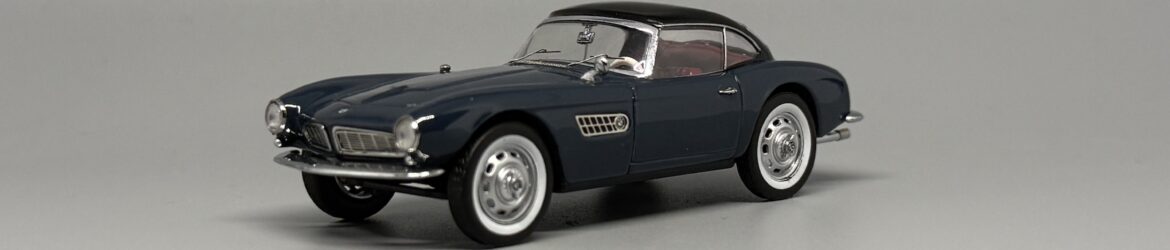
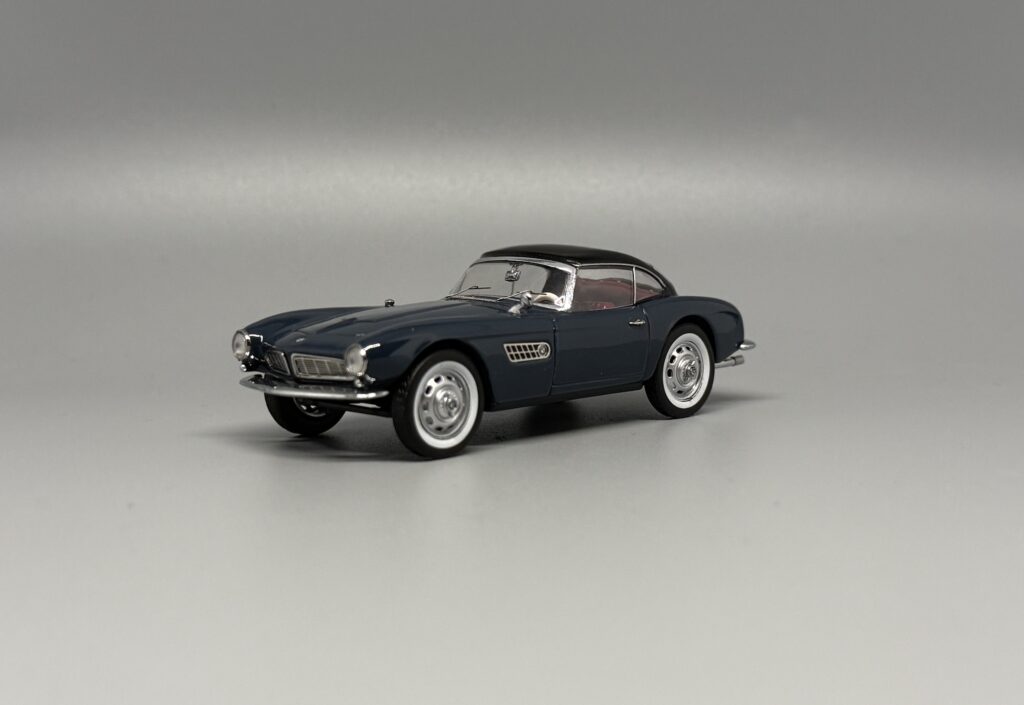
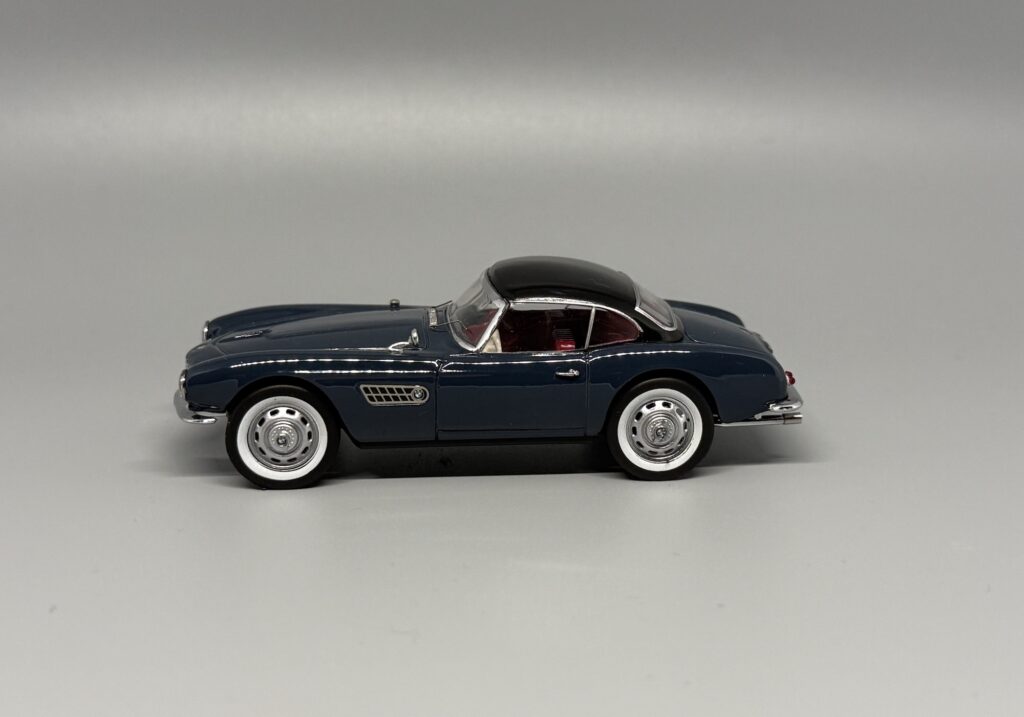
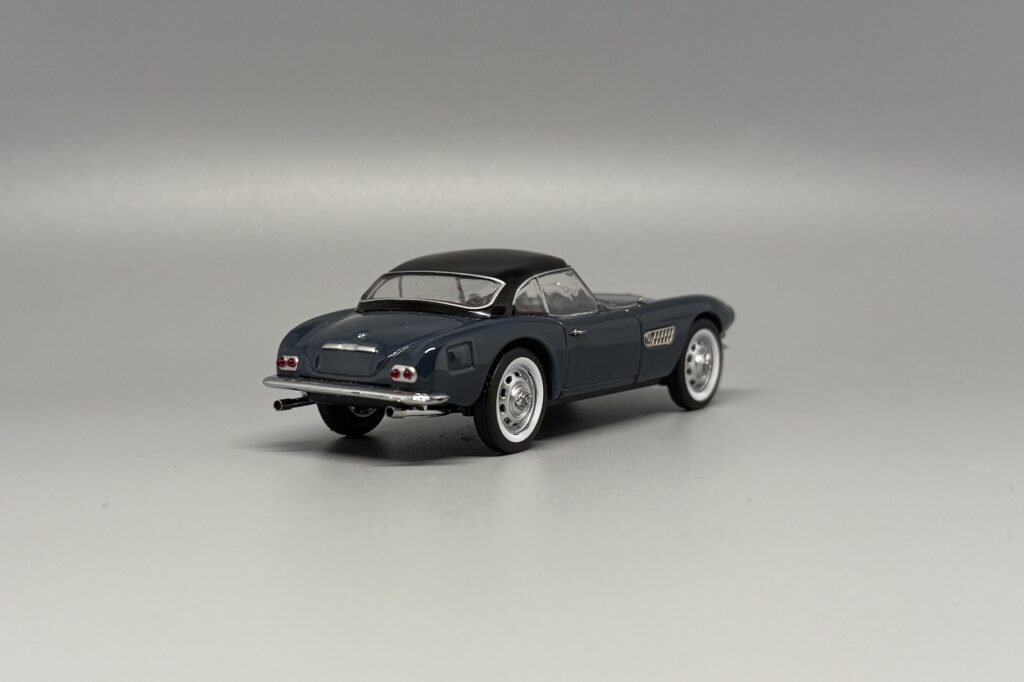
BMW 507 oli konstruktsioonilt roadster, kuid sellele sai paigaldada eemaldatava kõvakatuse. Hardtop muutis auto välimust märgatavalt, andes madalale roadsterile elegantse ja peaaegu kupeelaadse silueti. Tegemist ei olnud eraldi BMW 507 Coupé mudeliga – kõvakatus oli roadsterile lisatav lahendus ning teada on ka autosid, mis tarniti tehasest koos eemaldatava hardtop’iga. Kõvakatusega 507 ühendas seega avatud sportauto iseloomu kinnisema Gran Turismo välimuse ja parema ilmastikukindlusega.
Hardtop muudab auto iseloomu
Avatud katusega BMW 507 mõjub eelkõige kerge ja elegantse roadsterina, kuid hardtop annab samale autole märksa formaalsema ja väärikama ilme. Katuse pikk ja madal joon jätkab loomulikult auto tagaosa kuju ning rõhutab veelgi Goertzi disaini tasakaalustatud proportsioone. Just seetõttu on hardtop’iga 507 visuaalselt huvitav alternatiiv tavapärasele avatud versioonile: tehniliselt on tegemist sama sportautoga, kuid välimus läheneb klassikalisele luksuskupeele.
Kaks tootmisseeriat
BMW 507 tootmise jooksul valmistati kahte põhilist seeriat. Series II jõudis tootmisse 1957. aasta lõpus ning selle üks väliselt nähtavamaid muudatusi oli kütusepaagi täiteava viimine auto paremale tagatiivale. Samuti muudeti armatuurlauda ning mitmeid väiksemaid detaile. Põhiline alumiiniumkere, 3,2-liitrine V8 ja auto üldine disain jäid siiski samaks. Kui konkreetse mudelauto tootmisaasta pole teada, on kõige õigem käsitleda seda üldise BMW 507 hardtop-versioonina, mitte omistada sellele kindlat seeriat.
Väga kallis sportauto
BMW 507 maksis Saksamaal uuena 26 500 Saksa marka. Auto oli kallis nii keeruka alumiiniumkere, käsitöömahuka valmistamise kui ka V8-tehnika tõttu. BMW lootis algselt oluliselt suuremale tootmismahule, eriti Ameerika turul, kuid tootmiskulud tõstsid hinna tasemele, kus potentsiaalsete klientide ring jäi väga väikeseks. See muutis 507 BMW jaoks majanduslikult problemaatiliseks, hoolimata sellest, et auto tõi margile erakordselt palju tähelepanu ja prestiiži.
Vaid 251 autot
BMW Group Archive’i praeguste andmete järgi valmistati BMW 507 aastatel 1956–1959 kokku ainult 251 eksemplari. Varasemates BMW enda väljaannetes ja teistes allikates võib kohata ka veidi erinevaid arve, kuid BMW Group Classicu praegune mudeliajalugu kasutab 251 autot. Väike tootmisarv tulenes auto kõrgest hinnast ja käsitöömahukast valmistamisest ning just see haruldus on muutnud 507 tänapäeval üheks kõige väärtuslikumaks klassikaliseks BMW-ks.
Olulisem imagole kui müügile
BMW 507 ei saavutanud kaugeltki müügitulemusi, mida ettevõte oli lootnud. Ometi oli selle mõju BMW mainele väga suur. Elegantne disain, alumiiniumkere, V8-mootor ja rahvusvaheline tähelepanu näitasid, et BMW suutis valmistada sportauto, mis kuulus oma aja kõige eksklusiivsemate Euroopa autode hulka. Seetõttu oli 507 BMW jaoks imagomudel, mille ajalooline tähtsus osutus hiljem palju suuremaks kui selle müügiedu.
Pärand
BMW 507 disaini mõju on nähtav ka palju hilisemates BMW sportautodes. Eriti selgelt pöördus BMW selle ajaloolise mudeli poole 1990. aastate lõpus loodud BMW Z8 puhul, mille pikk kapott, madal roadsterikere, külgmised detailid ja lai BMW neeruvõre tõlgendasid 507 disainikeelt kaasaegsel kujul. Nii kujunes väikeses koguses valmistatud 507-st üks BMW sportautode ajaloo olulisemaid sümboleid.
Ajalooline tähendus
BMW 507 tähtsus BMW ajaloos on palju suurem kui selle 251-autoline tootmisarv. Auto ei toonud ettevõttele loodetud majanduslikku edu, kuid lõi BMW-le ühe kõige tugevama ja kestvama disainiikooni. Albrecht Graf Goertzi alumiiniumkere, 3,2-liitrine V8 ja erakordselt puhtad proportsioonid on muutnud 507 üheks 1950. aastate hinnatuimaks sportautoks. Hardtop’iga versioon lisab sellele loole veel ühe huvitava külje, näidates, kuidas sama roadster võis muutuda eemaldatava katuse abil peaaegu kupeelaadseks Gran Turismoks.
Mudel kollektsioonis
Minu kollektsioonis olev mudelauto on Schuco toodang ning kujutab BMW 507-t eemaldatava hardtop’iga. Mudel valmistati piiratud tiraažis kokku 500 eksemplari.
Tehnilised andmed lühidalt
Tootmisaeg: 1956–1959
Keretüüp: kaheukseline kaheistmeline roadster eemaldatava hardtop’iga
Disainer: Albrecht Graf Goertz
Kere: alumiinium
Tehniline alus: BMW 502 V8 mudeliperekond
Mootor: kergsulamist V8
Töömaht: 3168 cm³
Võimsus: 150 hj @ 5000 p/min
Käigukast: 4-käiguline manuaal
Veoskeem: tagavedu
Tippkiirus: 205 km/h standardandmetel, sõltuvalt tagasilla ülekandest kuni 220 km/h
Hind uuena: 26 500 Saksa marka
Tootmisarv: 251 autot BMW Group Archive’i praeguste andmete järgi
Eripära: BMW 507 Roadster eemaldatava kõvakatusega, mis annab autole elegantse kupeelaadse silueti
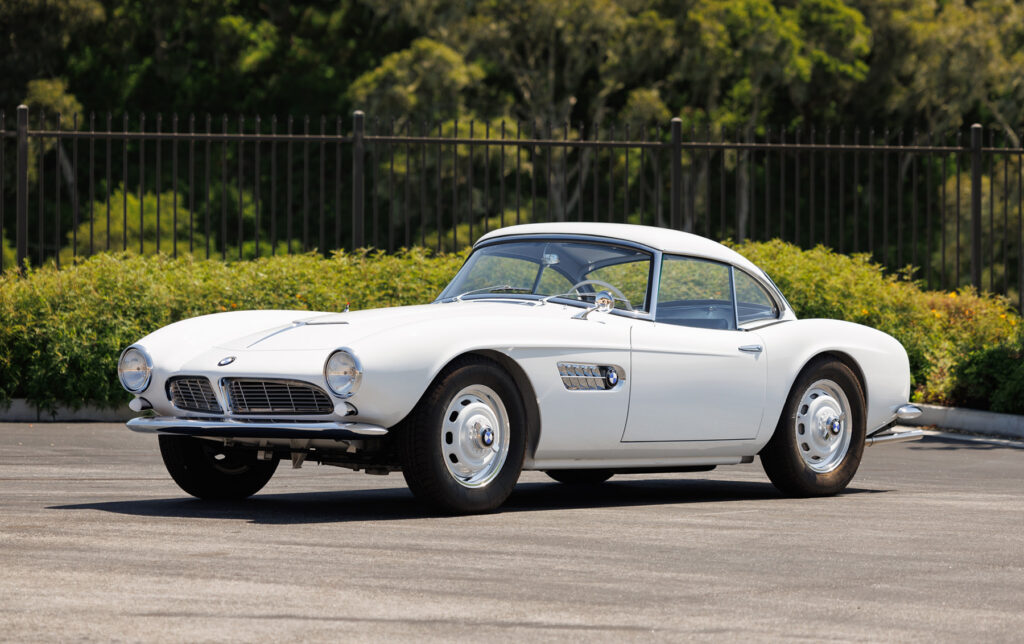
Foto päris autost. Allikas: goodingco.com