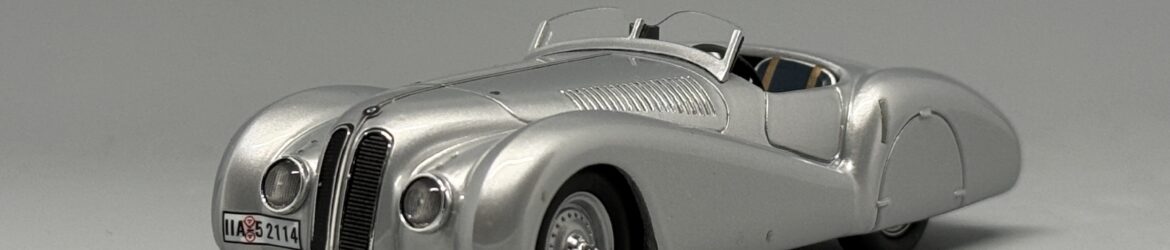
BMW 328 Bügelfalte-Roadster oli üks BMW sõjaeelse sportautoloo erilisemaid mudeleid, mis ühendas elegantse avatud kere, kerge konstruktsiooni ja oma ajastu kohta väga hea jõudluse. 1930. aastate lõpus kujunes BMW 328 mudelist auto, millega kinnistati margi sportlikku mainet nii tavateedel kui ka võidusõidus. Bügelfalte-Roadster esindas seejuures 328 mudelipere sportlikumat ja aerodünaamilisemat arenguharu, mis oli juba selgelt seotud BMW võidusõiduambitsioonidega. Disainilt oli BMW 328 Bügelfalte-Roadster väga voolujooneline ja tasakaalukas sportauto, mille pikk kapott, madal kerejoon ja klassikalised proportsioonid tegid sellest ühe oma ajastu kaunima BMW. Bügelfalte nimetus on seotud kere külje iseloomuliku vormikeelega, mis andis sellele variandile omaette identiteedi. Just selliste erilise kujuga ja sportlikult mõjuvate versioonide kaudu liikus BMW 328 edasi puhtamate võidusõiduautode suunas, millega saavutati edu ka Mille Miglial.Tehniliselt kasutas BMW 328 2,0-liitrist ridakuut, mis oli oma aja kohta väga arenenud ja aitas autol saavutada edu nii maanteel kui ka võistlustel. Kerge kaal, hea juhitavus ja töökindlus olid 328 suurimateks tugevusteks ning just nende omaduste tõttu peetakse seda mudelit siiani üheks olulisemaks BMW varajases sportautode ajaloos. 1940. aasta Bügelfalte-Roadsterit võib vaadelda kui 328 arengu küpsemat etappi – autot, milles kohtusid veel tänavasõiduki elegants ja juba väga selgelt võidusõidust mõjutatud vorm.
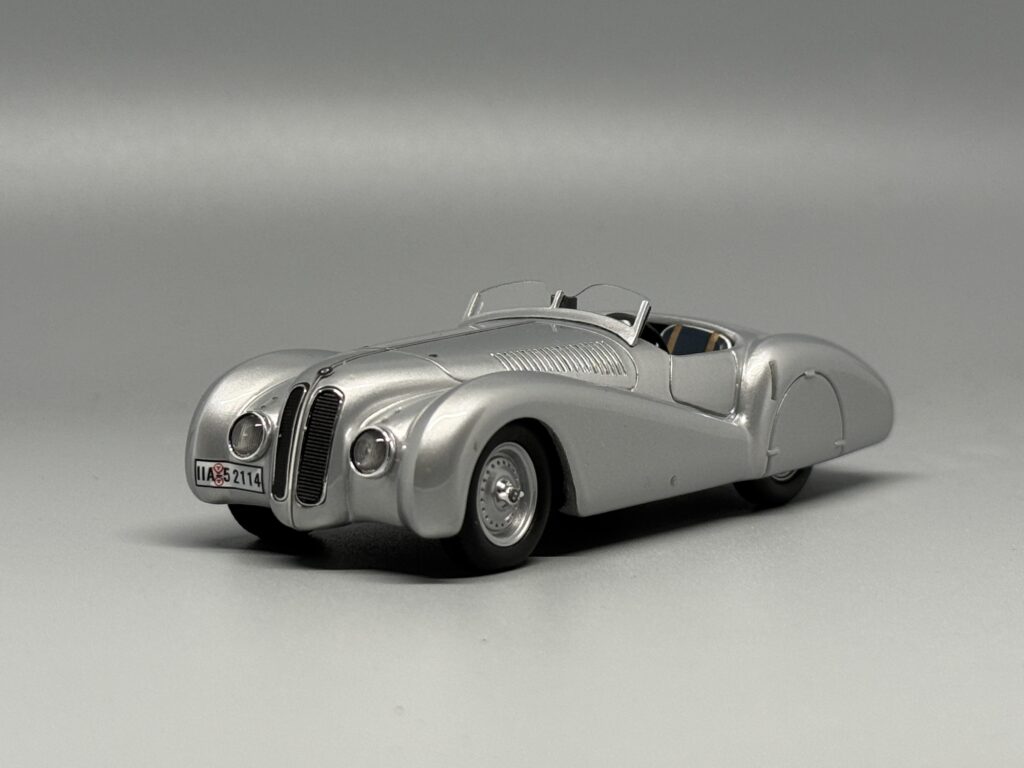
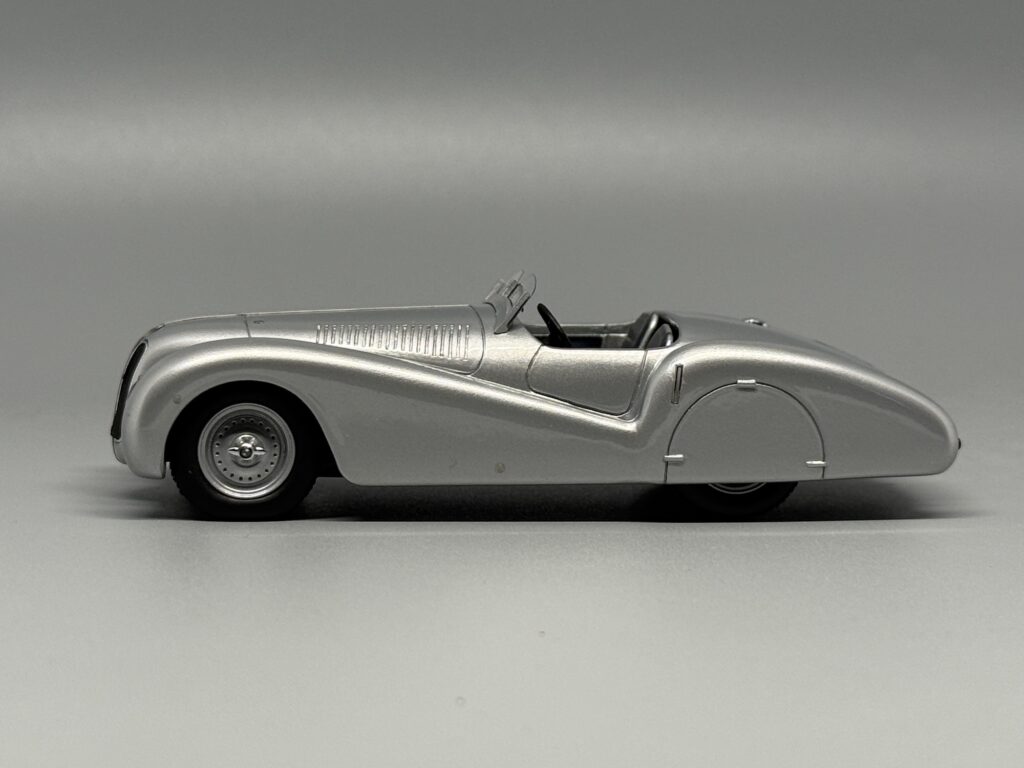
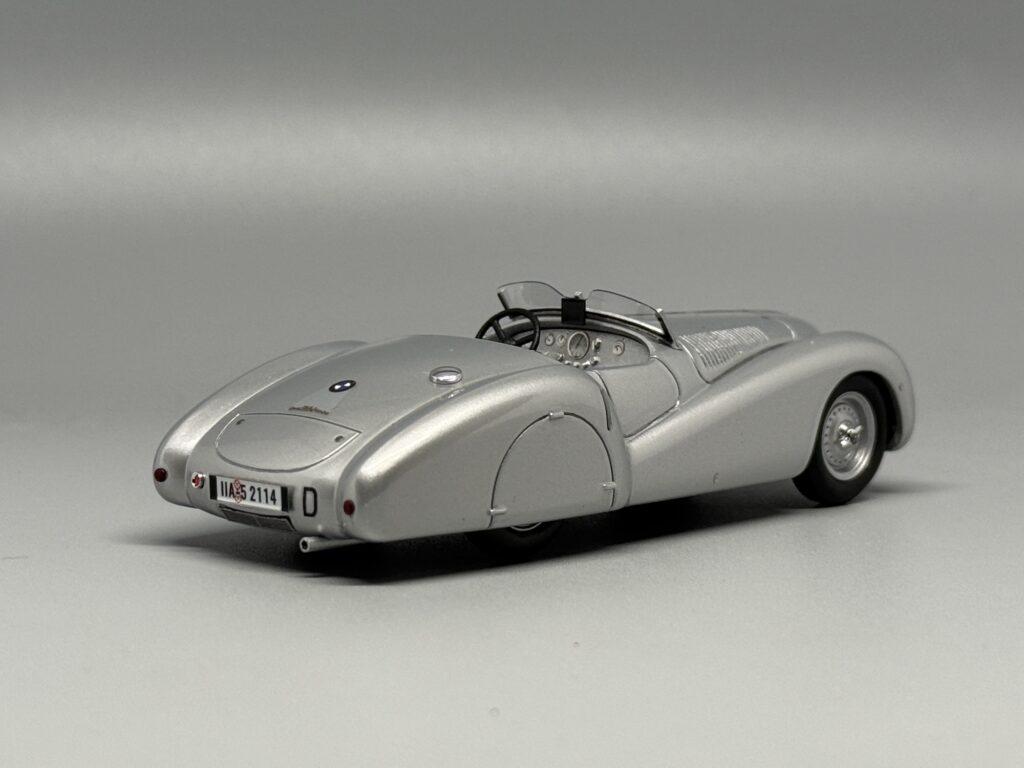
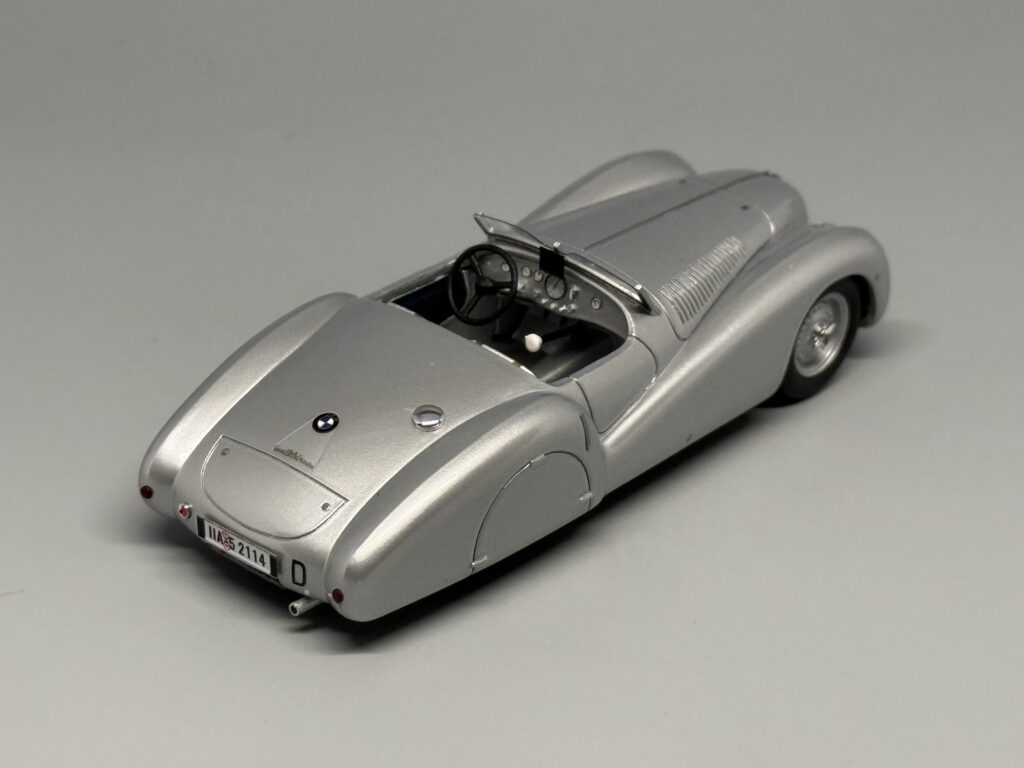
Minu kollektsioonis olev mudelauto on Brausi toodang ja kujutab 1940. aasta autot. Tegemist on limiteeritud seeriaga, kokku toodeti 100 eksemplari ning minu mudel kannab numbrit 40.
Tehnilised andmed lühidalt:
Tootmisaeg: 1940
Tootmiskoht: Eisenach, Saksamaa
Mootor: 2,0 l ridakuus
Võimsus: 80 hj
Tootmisarv: väga väike arv
Eripära: haruldane 328 variant, mis esindas mudelirea sportlikumat ja aerodünaamilisemat arengusuunda
The BMW 328 Bügelfalte-Roadster was one of the more distinctive models in BMW’s pre-war sports car history, combining elegant open-top bodywork, lightweight construction and strong performance for its era. By the late 1930s, the BMW 328 had become the model that established the brand’s sporting reputation both on public roads and in competition. In that context, the Bügelfalte-Roadster represented a more sporting and aerodynamic branch of the 328 development line, already clearly linked to BMW’s racing ambitions.
In design terms, the BMW 328 Bügelfalte-Roadster was a beautifully proportioned sports car with a long bonnet, a low body line and classic roadster proportions, making it one of the most elegant BMWs of its time. The name Bügelfalte refers to the distinctive body shaping associated with this variant, giving the car a character of its own. It was through such special and sporting versions that the BMW 328 developed further toward the more focused racing cars with which BMW achieved success, including in the Mille Miglia.
Technically, the BMW 328 used a 2.0-litre inline-six engine that was highly advanced for its time and helped the car achieve success both on the road and in motorsport. Low weight, agile handling and strong reliability were among its greatest strengths, and for that reason the 328 is still regarded as one of the most important cars in BMW’s early sports car history. The 1940 Bügelfalte-Roadster can be seen as a more mature stage in the 328’s development – a car that still retained the elegance of a road-going machine while already showing a very clear influence from BMW’s racing ambitions in both form and character.
The model car in my collection is produced by Brausi and represents a 1940 car. It is a limited edition, with 100 pieces produced in total, and my model is number 40.
Technical data at a glance:
Production period: 1940
Production location: Eisenach, Germany
Engine: 2.0-litre inline-six
Power output: 80 hp
Production total: very small number
Special feature: a rare 328 variant representing the more sporting and aerodynamic side of the model’s development
BMW 328 Bügelfalte-Roadster oli üks BMW sõjaeelse sportautoloo erilisemaid mudeleid, mis ühendas elegantse avatud kere, kerge konstruktsiooni ja oma ajastu kohta väga hea jõudluse. 1930. aastate lõpus kujunes BMW 328 mudelist auto, millega kinnistati margi sportlikku mainet nii tavateedel kui ka võidusõidus. Bügelfalte-Roadster esindas seejuures 328 mudelipere sportlikumat ja aerodünaamilisemat arenguharu, mis oli juba selgelt seotud BMW võidusõiduambitsioonidega. Disainilt oli BMW 328 Bügelfalte-Roadster väga voolujooneline ja tasakaalukas sportauto, mille pikk kapott, madal kerejoon ja klassikalised proportsioonid tegid sellest ühe oma ajastu kaunima BMW. Bügelfalte nimetus on seotud kere külje iseloomuliku vormikeelega, mis andis sellele variandile omaette identiteedi. Just selliste erilise kujuga ja sportlikult mõjuvate versioonide kaudu liikus BMW 328 edasi puhtamate võidusõiduautode suunas, millega saavutati edu ka Mille Miglial.Tehniliselt kasutas BMW 328 2,0-liitrist ridakuut, mis oli oma aja kohta väga arenenud ja aitas autol saavutada edu nii maanteel kui ka võistlustel. Kerge kaal, hea juhitavus ja töökindlus olid 328 suurimateks tugevusteks ning just nende omaduste tõttu peetakse seda mudelit siiani üheks olulisemaks BMW varajases sportautode ajaloos. 1940. aasta Bügelfalte-Roadsterit võib vaadelda kui 328 arengu küpsemat etappi – autot, milles kohtusid veel tänavasõiduki elegants ja juba väga selgelt võidusõidust mõjutatud vorm.
Minu kollektsioonis olev mudelauto on Brausi toodang ja kujutab 1940. aasta autot. Tegemist on limiteeritud seeriaga, kokku toodeti 100 eksemplari ning minu mudel kannab numbrit 40.
Tehnilised andmed lühidalt:
Tootmisaeg: 1940
Tootmiskoht: Eisenach, Saksamaa
Mootor: 2,0 l ridakuus
Võimsus: 80 hj
Tootmisarv: väga väike arv
Eripära: haruldane 328 variant, mis esindas mudelirea sportlikumat ja aerodünaamilisemat arengusuunda
The BMW 328 Bügelfalte-Roadster was one of the more distinctive models in BMW’s pre-war sports car history, combining elegant open-top bodywork, lightweight construction and strong performance for its era. By the late 1930s, the BMW 328 had become the model that established the brand’s sporting reputation both on public roads and in competition. In that context, the Bügelfalte-Roadster represented a more sporting and aerodynamic branch of the 328 development line, already clearly linked to BMW’s racing ambitions.
In design terms, the BMW 328 Bügelfalte-Roadster was a beautifully proportioned sports car with a long bonnet, a low body line and classic roadster proportions, making it one of the most elegant BMWs of its time. The name Bügelfalte refers to the distinctive body shaping associated with this variant, giving the car a character of its own. It was through such special and sporting versions that the BMW 328 developed further toward the more focused racing cars with which BMW achieved success, including in the Mille Miglia.
Technically, the BMW 328 used a 2.0-litre inline-six engine that was highly advanced for its time and helped the car achieve success both on the road and in motorsport. Low weight, agile handling and strong reliability were among its greatest strengths, and for that reason the 328 is still regarded as one of the most important cars in BMW’s early sports car history. The 1940 Bügelfalte-Roadster can be seen as a more mature stage in the 328’s development – a car that still retained the elegance of a road-going machine while already showing a very clear influence from BMW’s racing ambitions in both form and character.
The model car in my collection is produced by Brausi and represents a 1940 car. It is a limited edition, with 100 pieces produced in total, and my model is number 40.
Technical data at a glance:
Production period: 1940
Production location: Eisenach, Germany
Engine: 2.0-litre inline-six
Power output: 80 hp
Production total: very small number
Special feature: a rare 328 variant representing the more sporting and aerodynamic side of the model’s development
Foto päris autost. Allikas: spiegel.de
Photo of the actual car. Source: spiegel.de