BMW 327 Cabriolet oli üks elegantsemaid ja tehniliselt arenenumaid autosid, mida BMW enne Teist maailmasõda tootis. Mudelit esitleti 1937. aastal kui sportlikku ja luksuslikku kabrioletti, mis ühendas voolujoonelise disaini, kvaliteetse käsitöö ning väga hea sõidumugavuse. 327 põhines lühendatud BMW 326 šassiil ning eristus oma ajastu kohta eriti modernse välimusega: kergelt kaarduvad poritiivad, pikk kapott, madal tuuleklaas ja väga puhas küljejoon andsid sellele väärika, kuid samas sportliku ilme. Just kabriolett kujunes paljude jaoks selle mudelirea kõige iseloomulikumaks kehastuseks.
Tehniliselt kasutas BMW 327 Cabriolet 2,0-liitrist ridakuue mootorit, mille võimsus ulatus 55 hobujõuni ning tippkiirus umbes 125 km/h-ni. Oma ajastu luksusauto kohta oli see väga hea näitaja ning aitas mudelil ühendada esinduslikkuse ja sõidunaudingu. BMW Group Classicu andmetel toodeti sõjaeelseid 327 Cabriolette aprillist 1937 kuni aprillini 1941. Pärast sõda jätkus mudeli tootmine Eisenachis veel mõnda aega ning hiljem kandsid samad autod juba EMW nime. Just see pikk ja keeruline tootmislugu teeb 327-st eriti huvitava mudeli nii BMW kui ka laiemalt Saksa autotööstuse ajaloos.
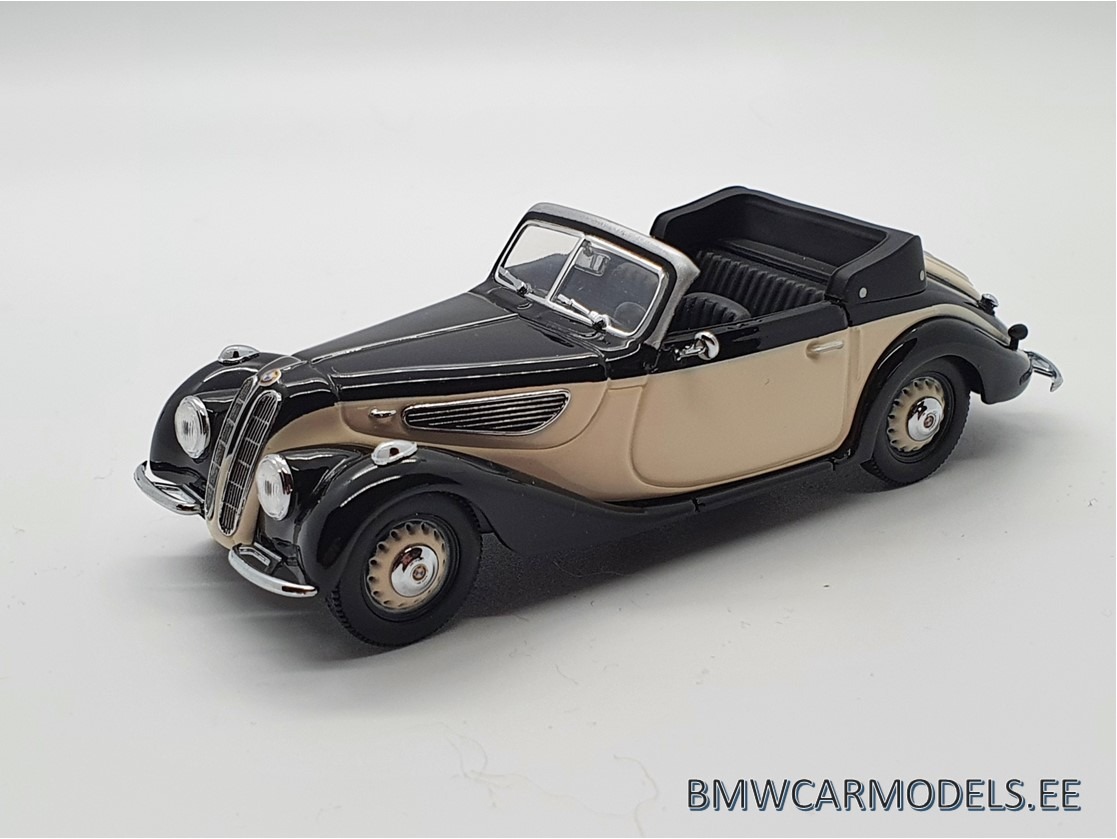
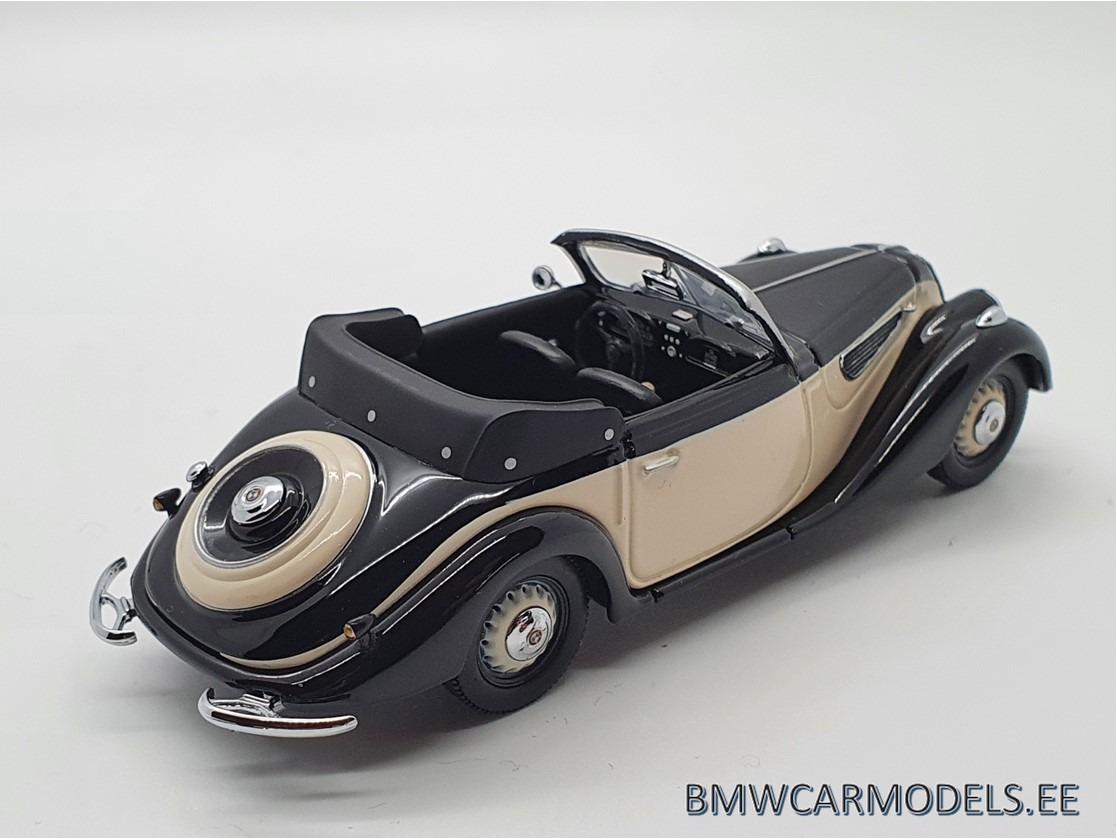
Minu kollektsioonis olev mudel on Universal Hobbiesi toodang ning kujutab 1939. aasta autot.
Tehnilised andmed lühidalt:
Tootmisaeg: 1937–1941; tootmine jätkus sõjajärgselt Eisenachis.
Tootmiskoht: Eisenach, Saksamaa.
Mootor: 2,0 l ridakuus.
Võimsus: 55 hj.
Tootmisarv: sõjaeelsete ja sõjajärgsete autode koguarvud esitatakse eri allikates erinevalt; sõjajärgset toodangut hinnatakse umbes 505 autole kogu 327 mudelipere lõikes.
Eripära: üks BMW sõjaeelse ajastu elegantsemaid luksuskabriolette, mida toodeti hiljem edasi ka EMW nime all.
The BMW 327 Cabriolet was one of the most elegant and technically advanced cars BMW produced before the Second World War. Introduced in 1937, it was conceived as a sporting and luxurious convertible that combined streamlined styling, high-quality craftsmanship and very good driving comfort. The 327 was based on a shortened BMW 326 chassis and stood out through an especially modern appearance for its time: gently curved fenders, a long bonnet, low windscreen and very clean side profile gave it a dignified yet sporting look. For many enthusiasts, the cabriolet became the most characteristic expression of the model line.
Technically, the BMW 327 Cabriolet used a 2.0-litre inline-six producing 55 horsepower and reaching a top speed of around 125 km/h. For a luxury car of its era, this was a very strong figure and helped the model combine prestige with genuine driving pleasure. According to BMW Group Classic, pre-war 327 Cabriolets were produced from April 1937 to April 1941. After the war, production of the model resumed in Eisenach for a time, and these later cars would eventually carry the EMW name. This long and complicated production history is one of the reasons why the 327 remains such an interesting model in both BMW history and the broader story of the German automobile industry.
The model in my collection is produced by Universal Hobbies and represents a 1939 car.
Technical data at a glance:
Production period: 1937–1941; production later continued in Eisenach after the war.
Production location: Eisenach, Germany.
Engine: 2.0-litre inline-six.
Power output: 55 hp.
Production total: pre-war and post-war totals are presented differently across sources; post-war output is often estimated at around 505 cars for the overall 327 family.
Special feature: one of the most elegant luxury convertibles of BMW’s pre-war era, later continued under the EMW name.
BMW 327 Cabriolet oli üks elegantsemaid ja tehniliselt arenenumaid autosid, mida BMW enne Teist maailmasõda tootis. Mudelit esitleti 1937. aastal kui sportlikku ja luksuslikku kabrioletti, mis ühendas voolujoonelise disaini, kvaliteetse käsitöö ning väga hea sõidumugavuse. 327 põhines lühendatud BMW 326 šassiil ning eristus oma ajastu kohta eriti modernse välimusega: kergelt kaarduvad poritiivad, pikk kapott, madal tuuleklaas ja väga puhas küljejoon andsid sellele väärika, kuid samas sportliku ilme. Just kabriolett kujunes paljude jaoks selle mudelirea kõige iseloomulikumaks kehastuseks.
Tehniliselt kasutas BMW 327 Cabriolet 2,0-liitrist ridakuue mootorit, mille võimsus ulatus 55 hobujõuni ning tippkiirus umbes 125 km/h-ni. Oma ajastu luksusauto kohta oli see väga hea näitaja ning aitas mudelil ühendada esinduslikkuse ja sõidunaudingu. BMW Group Classicu andmetel toodeti sõjaeelseid 327 Cabriolette aprillist 1937 kuni aprillini 1941. Pärast sõda jätkus mudeli tootmine Eisenachis veel mõnda aega ning hiljem kandsid samad autod juba EMW nime. Just see pikk ja keeruline tootmislugu teeb 327-st eriti huvitava mudeli nii BMW kui ka laiemalt Saksa autotööstuse ajaloos.
Minu kollektsioonis olev mudel on Universal Hobbiesi toodang ning kujutab 1939. aasta autot.
Tehnilised andmed lühidalt:
Tootmisaeg: 1937–1941; tootmine jätkus sõjajärgselt Eisenachis.
Tootmiskoht: Eisenach, Saksamaa.
Mootor: 2,0 l ridakuus.
Võimsus: 55 hj.
Tootmisarv: sõjaeelsete ja sõjajärgsete autode koguarvud esitatakse eri allikates erinevalt; sõjajärgset toodangut hinnatakse umbes 505 autole kogu 327 mudelipere lõikes.
Eripära: üks BMW sõjaeelse ajastu elegantsemaid luksuskabriolette, mida toodeti hiljem edasi ka EMW nime all.
The BMW 327 Cabriolet was one of the most elegant and technically advanced cars BMW produced before the Second World War. Introduced in 1937, it was conceived as a sporting and luxurious convertible that combined streamlined styling, high-quality craftsmanship and very good driving comfort. The 327 was based on a shortened BMW 326 chassis and stood out through an especially modern appearance for its time: gently curved fenders, a long bonnet, low windscreen and very clean side profile gave it a dignified yet sporting look. For many enthusiasts, the cabriolet became the most characteristic expression of the model line.
Technically, the BMW 327 Cabriolet used a 2.0-litre inline-six producing 55 horsepower and reaching a top speed of around 125 km/h. For a luxury car of its era, this was a very strong figure and helped the model combine prestige with genuine driving pleasure. According to BMW Group Classic, pre-war 327 Cabriolets were produced from April 1937 to April 1941. After the war, production of the model resumed in Eisenach for a time, and these later cars would eventually carry the EMW name. This long and complicated production history is one of the reasons why the 327 remains such an interesting model in both BMW history and the broader story of the German automobile industry.
The model in my collection is produced by Universal Hobbies and represents a 1939 car.
Technical data at a glance:
Production period: 1937–1941; production later continued in Eisenach after the war.
Production location: Eisenach, Germany.
Engine: 2.0-litre inline-six.
Power output: 55 hp.
Production total: pre-war and post-war totals are presented differently across sources; post-war output is often estimated at around 505 cars for the overall 327 family.
Special feature: one of the most elegant luxury convertibles of BMW’s pre-war era, later continued under the EMW name.
Originaalfoto päris autost. Pilt internetist. Original photo of the real car. Image sourced from the internet.