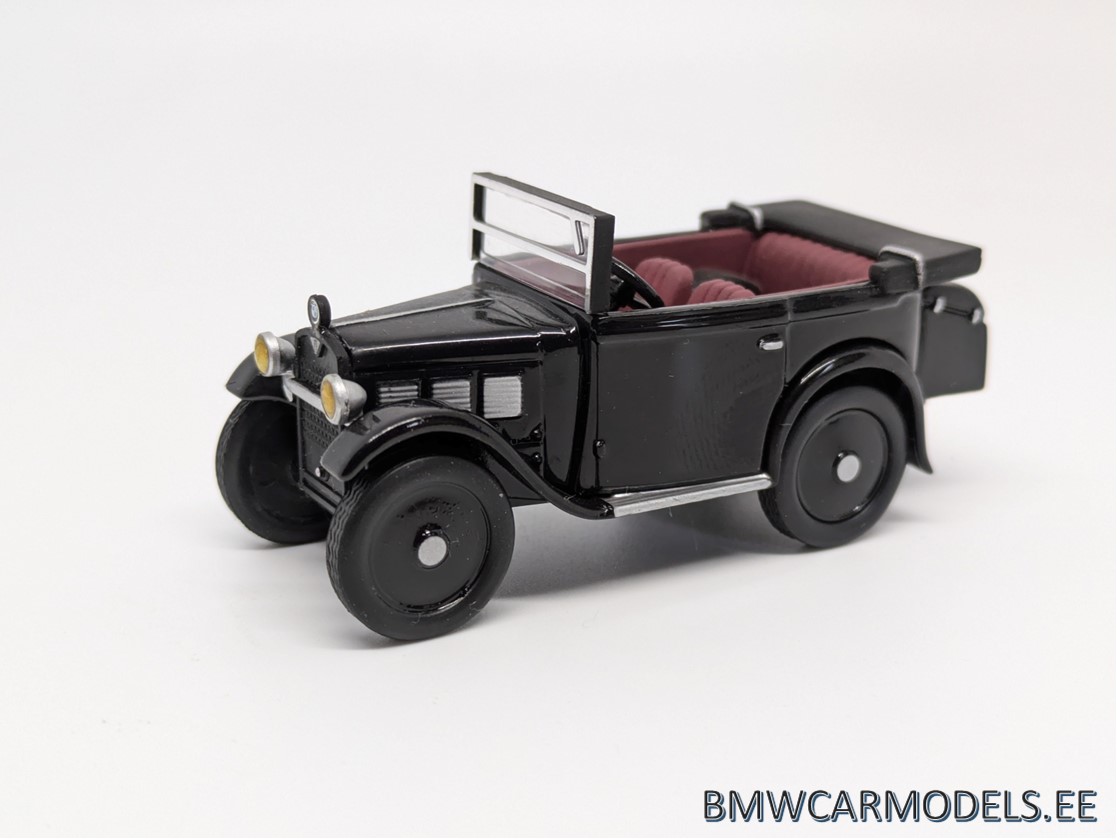
BMW DIXI 3/15 PS Cabriolet kuulub BMW autoloo kõige varasemasse peatükki ning esindab aega, mil mark alles kujunes autotootjaks. Pärast Eisenachi tehase omandamist 1928. aastal jätkas BMW väikese Dixi edasiarendamist ning alates 1929. aastast kandis see mudel juba BMW märki. 3/15 PS põhines litsentsi alusel toodetud Austin Sevenil, kuid Saksa turu jaoks kohandati seda mitme tehnilise ja praktilise muudatusega. Cabriolet-kere andis sellele väikesele autole elegantsema ja esinduslikuma ilme, mis sobis hästi ajastu arusaamaga kergest, kuid stiilsest sõiduautost.
Tehniliselt kasutas BMW DIXI 3/15 PS Cabriolet 748 cm³ ridanelja, mille võimsus ulatus 15 hobujõuni. BMW täiustas DA-2 versiooni juures mitmeid detaile võrreldes varasema Dixi mudeliga, sealhulgas nelja ratta piduritega, avarama kere ja kvaliteetsema viimistlusega. Cabriolet-versioonid olid eriti huvitavad seetõttu, et need näitasid, kuidas ka väga väikest ja taskukohast autot püüti muuta atraktiivsemaks ning mitmekesisemaks erinevate keretüüpide kaudu. BMW DIXI 3/15 PS tähtsus seisneb selles, et see oli üks esimesi autosid, mis kandis BMW nime, ja aitas kujundada margi autotootmise algust.
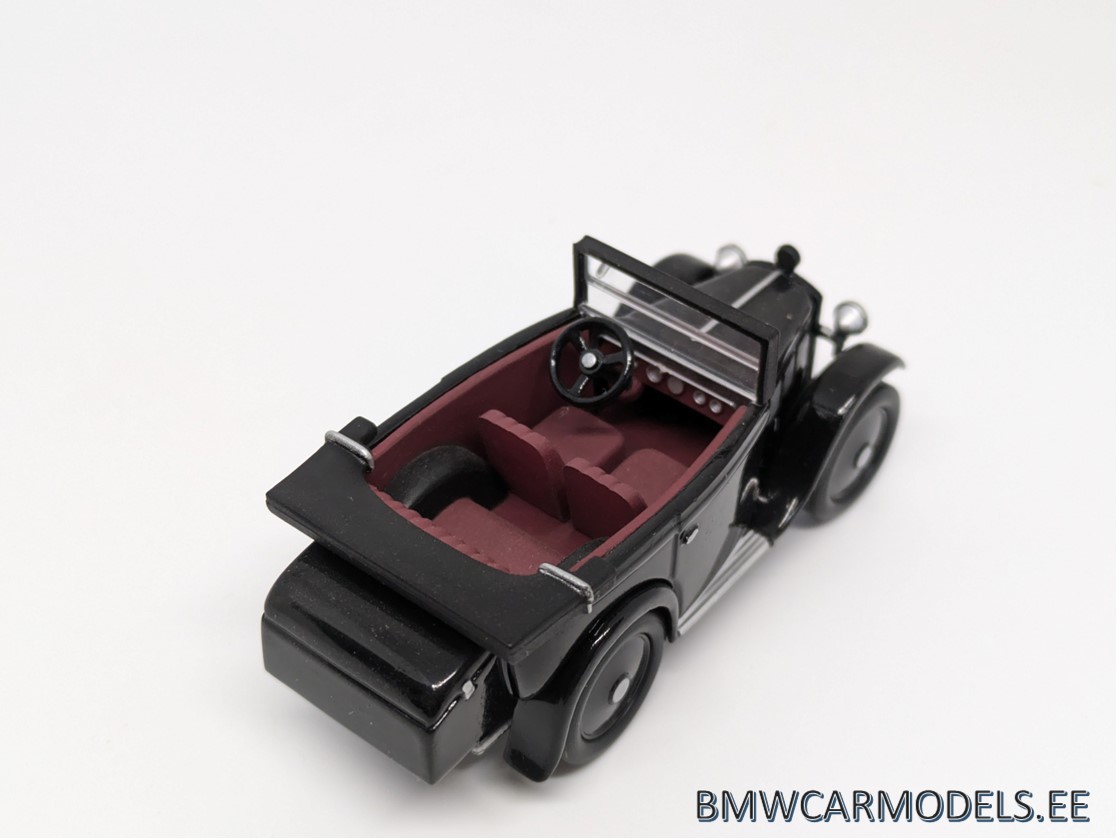
Minu kollektsioonis olev mudel on Schuco toodang.
Tehnilised andmed lühidalt:
Tootmisaeg: 1929–1930
Tootmiskoht: Eisenach, Saksamaa
Mootor: 748 cm³ ridaneli
Võimsus: 15 hj
Tootmisarv: BMW 3/15 PS mudelipere kogutoodangut on eri versioonide lõikes keeruline üheselt esitada
Eripära: varajane BMW kabriolett, mis kuulus margi esimeste autode hulka
The BMW DIXI 3/15 PS Cabriolet belongs to the earliest chapter of BMW’s automobile history and represents the period when the brand was only just becoming a car manufacturer. After acquiring the Eisenach factory in 1928, BMW continued the development of the small Dixi, and from 1929 onward the model carried the BMW badge. The 3/15 PS was based on the Austin Seven built under licence, but it was adapted for the German market with several technical and practical modifications. The cabriolet body gave this small car a more elegant and distinguished appearance, fitting well with the period idea of a light yet stylish motor car.
Technically, the BMW DIXI 3/15 PS Cabriolet used a 748 cc inline-four producing 15 horsepower. BMW improved a number of details in the DA-2 version compared with the earlier Dixi, including four-wheel brakes, a more spacious body and a higher-quality interior. The cabriolet versions were particularly interesting because they showed how even a very small and affordable car could be made more attractive and varied through different body styles. The importance of the BMW DIXI 3/15 PS lies in the fact that it was among the first cars to carry the BMW name and helped shape the beginning of the brand’s automobile production.
The model in my collection is produced by Schuco.
Technical data at a glance:
Production period: 1929–1930
Production location: Eisenach, Germany
Engine: 748 cc inline-four
Power output: 15 hp
Production total: the overall total for the BMW 3/15 PS family is difficult to state clearly across the various body versions
Special feature: early BMW cabriolet belonging to the brand’s first automobiles
BMW DIXI 3/15 PS Cabriolet kuulub BMW autoloo kõige varasemasse peatükki ning esindab aega, mil mark alles kujunes autotootjaks. Pärast Eisenachi tehase omandamist 1928. aastal jätkas BMW väikese Dixi edasiarendamist ning alates 1929. aastast kandis see mudel juba BMW märki. 3/15 PS põhines litsentsi alusel toodetud Austin Sevenil, kuid Saksa turu jaoks kohandati seda mitme tehnilise ja praktilise muudatusega. Cabriolet-kere andis sellele väikesele autole elegantsema ja esinduslikuma ilme, mis sobis hästi ajastu arusaamaga kergest, kuid stiilsest sõiduautost.
Tehniliselt kasutas BMW DIXI 3/15 PS Cabriolet 748 cm³ ridanelja, mille võimsus ulatus 15 hobujõuni. BMW täiustas DA-2 versiooni juures mitmeid detaile võrreldes varasema Dixi mudeliga, sealhulgas nelja ratta piduritega, avarama kere ja kvaliteetsema viimistlusega. Cabriolet-versioonid olid eriti huvitavad seetõttu, et need näitasid, kuidas ka väga väikest ja taskukohast autot püüti muuta atraktiivsemaks ning mitmekesisemaks erinevate keretüüpide kaudu. BMW DIXI 3/15 PS tähtsus seisneb selles, et see oli üks esimesi autosid, mis kandis BMW nime, ja aitas kujundada margi autotootmise algust.
Minu kollektsioonis olev mudel on Schuco toodang.
Tehnilised andmed lühidalt:
Tootmisaeg: 1929–1930
Tootmiskoht: Eisenach, Saksamaa
Mootor: 748 cm³ ridaneli
Võimsus: 15 hj
Tootmisarv: BMW 3/15 PS mudelipere kogutoodangut on eri versioonide lõikes keeruline üheselt esitada
Eripära: varajane BMW kabriolett, mis kuulus margi esimeste autode hulka
The BMW DIXI 3/15 PS Cabriolet belongs to the earliest chapter of BMW’s automobile history and represents the period when the brand was only just becoming a car manufacturer. After acquiring the Eisenach factory in 1928, BMW continued the development of the small Dixi, and from 1929 onward the model carried the BMW badge. The 3/15 PS was based on the Austin Seven built under licence, but it was adapted for the German market with several technical and practical modifications. The cabriolet body gave this small car a more elegant and distinguished appearance, fitting well with the period idea of a light yet stylish motor car.
Technically, the BMW DIXI 3/15 PS Cabriolet used a 748 cc inline-four producing 15 horsepower. BMW improved a number of details in the DA-2 version compared with the earlier Dixi, including four-wheel brakes, a more spacious body and a higher-quality interior. The cabriolet versions were particularly interesting because they showed how even a very small and affordable car could be made more attractive and varied through different body styles. The importance of the BMW DIXI 3/15 PS lies in the fact that it was among the first cars to carry the BMW name and helped shape the beginning of the brand’s automobile production.
The model in my collection is produced by Schuco.
Technical data at a glance:
Production period: 1929–1930
Production location: Eisenach, Germany
Engine: 748 cc inline-four
Power output: 15 hp
Production total: the overall total for the BMW 3/15 PS family is difficult to state clearly across the various body versions
Special feature: early BMW cabriolet belonging to the brand’s first automobiles