
BMW 1600 GT oli üks erilisema taustaga BMW mudeleid 1960. aastate lõpust. See ei olnud algselt BMW enda arendatud mudel, vaid sündis pärast seda, kui BMW võttis üle Dingolfingis tegutsenud Hans Glas GmbH Isaria Maschinenfabriku tootmisrajatised. Selle tulemusena sai Pietro Frua disainitud Glas 1300/1700 GT-st BMW nime all müüdud 1600 GT, mis ühendas Itaalia disaini, Glas-päritoluga kupeekere ja BMW tehnika.
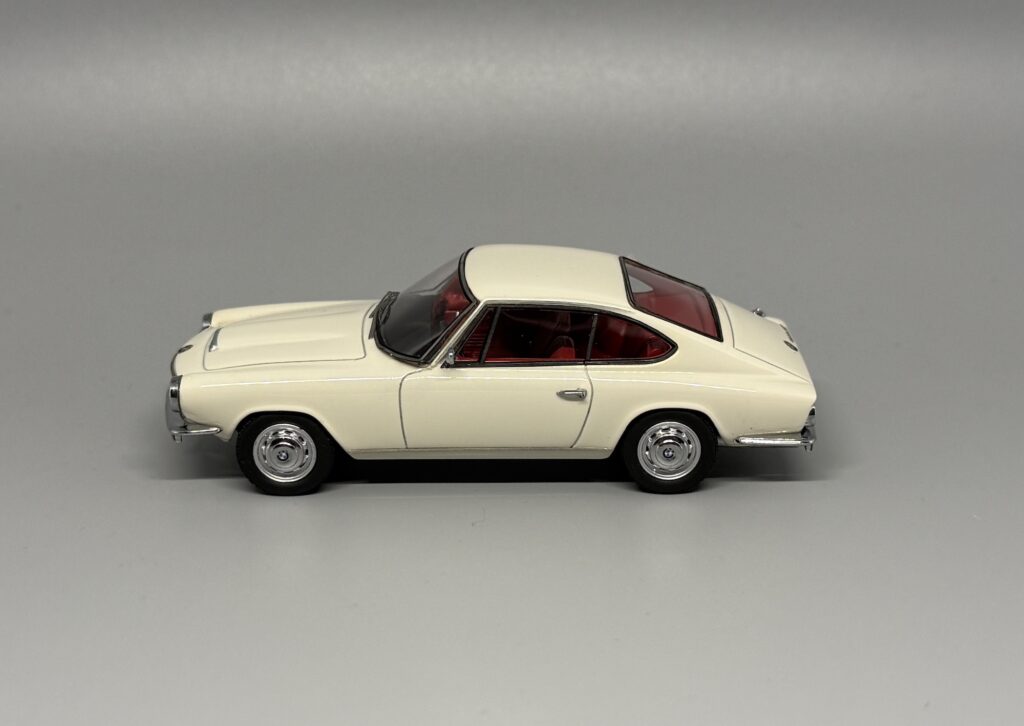
Glas GT oli juba enne BMW sekkumist omanäoline väike sportlik kupee. Selle elegantse kere kujundas Itaalia disainer Pietro Frua, kelle käekiri andis autole madala, saleda ja ajastule omaselt peene joone. Pärast Glas ettevõtte ülevõtmist ei piirdunud BMW ainult embleemide vahetamisega, vaid muutis autot põhjalikumalt. Nii sai Glas GT-st BMW 1600 GT, mis kandis juba selgelt BMW identiteeti.
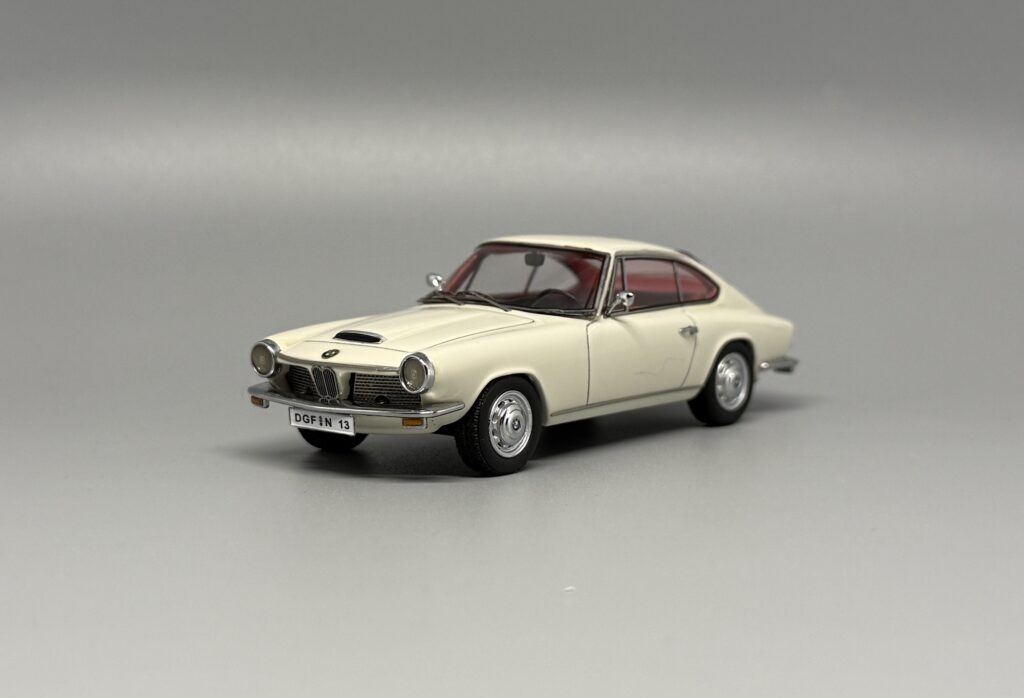
Kõige nähtavam muudatus oli auto esiosas. BMW 1600 GT sai BMW-le omase „näo“ ehk kahe neerukujulise iluvõrega esiosa. See muutis auto välimuse kohe äratuntavalt BMW-likumaks, kuigi kere üldproportsioonid ja Frua disaini elegants jäid alles. Tulemuseks oli huvitav segu: auto, mis ei näinud välja nagu tavaline BMW 02-seeria mudel, kuid kandis siiski selgelt BMW kaubamärgi tunnuseid.
Tehniliselt muutus BMW 1600 GT võrreldes Glas-mudelitega oluliselt. Auto sai mootori, käigukasti ja tagasilla BMW 1600 TI-lt. 1,6-liitrine neljasilindriline ridamootor töömahuga 1573 cm³ arendas 77 kW ehk 105 hobujõudu 6000 p/min juures. Oma aja kohta oli see väikese ja kerge kupee jaoks väga korralik näitaja ning võimaldas autol saavutada tippkiiruseks 190 km/h.
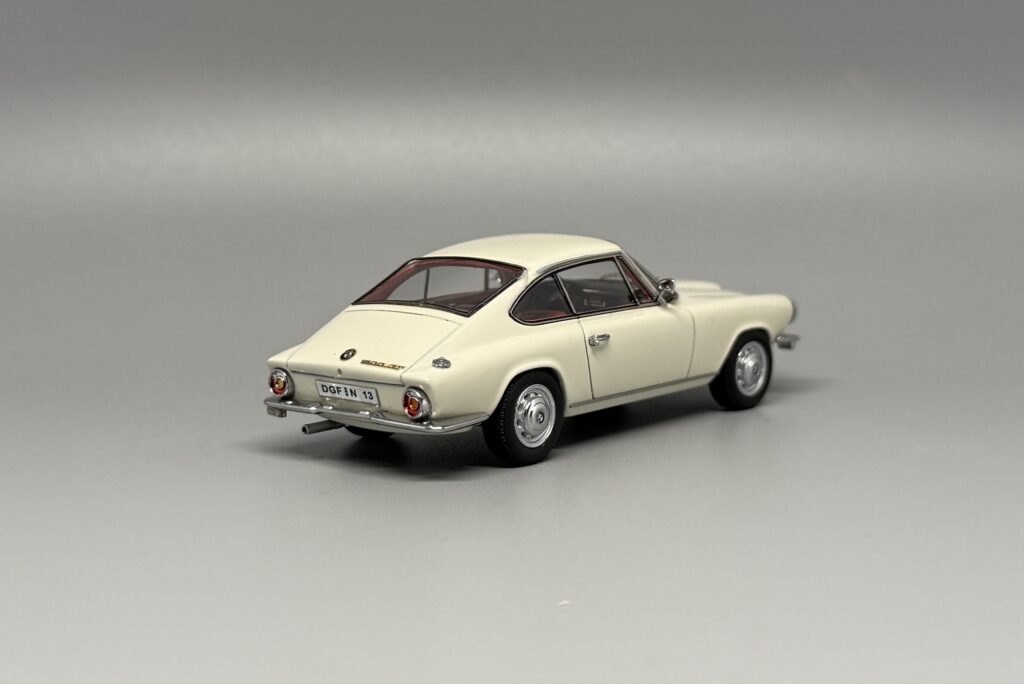
BMW 1600 GT oli seega palju enamat kui lihtsalt BMW märkidega Glas. See oli üleminekumudel, milles BMW kasutas olemasolevat Frua disainiga kupeekere kontseptsiooni, kuid sidus selle oma tehnika ja sisekujundusmaterjalidega. Ka interjööris kasutati BMW materjale, mis aitasid autol paremini sobituda BMW mudelivalikusse. Erinevalt varasematest Glas GT mudelitest ei pakutud BMW 1600 GT-d kabrioletina.
Mudeli tähtsus seisneb eelkõige selle erandlikus taustas. BMW 1600 GT ei kuulu otseselt tavalisse BMW mudeliperekonda nagu 02-seeria, Neue Klasse või hilisemad seeriatähistusega mudelid. See oli lühikest aega toodetud eriline kupee, mis sündis ühe tootja ülevõtmise, teise tootja tehnika ja Itaalia disaini kokkupuutepunktis. Just seetõttu on BMW 1600 GT BMW ajaloos väga huvitav kõrvalharu.
Tootmine kestis vaid lühikest aega aastatel 1967–1968. Auto oli üsna kallis — Saksamaal maksis see 15 850 Saksa marka — ja jäi seetõttu pigem väikesele ostjaskonnale suunatud eksklusiivseks mudeliks. Tootmisarv jäi väga väikeseks, umbes 1255 auto juurde.
BMW 1600 GT on huvitav ka Dingolfingi tehase ajaloo seisukohalt. Glas ettevõtte ülevõtmine andis BMW-le olulise tootmisbaasi, millest kasvas hiljem üks BMW tähtsamaid tehaseid. Seetõttu ei ole 1600 GT ainult erilise kere ja väikese tootmisarvuga kupee, vaid ka osa BMW laienemise ja Dingolfingi tehase BMW ajaloo algusloost.
Minu kollektsioonis olev mudel on Neo Scale Modelsi toodang.
Tehnilised andmed lühidalt:
Tootmisaeg: 1967–1968
Tootmiskoht: Dingolfing, Saksamaa
Alus: Glas 1300/1700 GT
Disainer: Pietro Frua
Keretüüp: kaheukseline sportlik kupee
Mootor: 1,6 l neljasilindriline ridamootor
Töömaht: 1573 cm³
Võimsus: 105 hj
Käigukast: BMW 1600 TI-lt
Veoskeem: tagavedu
Tippkiirus: 190 km/h
Tootmisarv: umbes 1255 autot
Eripära: Glas GT baasil loodud BMW üleminekumudel, mis ühendas Pietro Frua disainitud kupeekere BMW 1600 TI tehnika ja BMW-le omase esiosaga
BMW 1600 GT was one of the BMW models with the most unusual background from the late 1960s. It was not originally developed by BMW itself, but was created after BMW took over the production facilities of Hans Glas GmbH Isaria Maschinenfabrik in Dingolfing. As a result, the Pietro Frua-designed Glas 1300/1700 GT became the BMW 1600 GT, a model that combined Italian design, a Glas-derived coupé body and BMW engineering.
The Glas GT had already been a distinctive small sporting coupé before BMW became involved. Its elegant body was designed by the Italian designer Pietro Frua, whose work gave the car a low, slim and refined appearance typical of the period. After taking over Glas, BMW did not merely replace the badges, but revised the car more extensively. In this way, the Glas GT became the BMW 1600 GT, now carrying a clearly recognisable BMW identity.
The most visible change was at the front of the car. The BMW 1600 GT received the BMW “face” with the characteristic twin kidney grille. This immediately made the car look more like a BMW, even though the general body proportions and the elegance of Frua’s design remained. The result was an interesting mixture: a car that did not look like a regular BMW 02 Series model, but still clearly carried BMW brand features.
Technically, the BMW 1600 GT changed considerably compared with the Glas models. The car received the engine, transmission and rear axle from the BMW 1600 TI. The 1.6-litre four-cylinder in-line engine, with a displacement of 1573 cc, produced 77 kW or 105 hp at 6000 rpm. For a small and light coupé of its time, this was a strong figure and allowed the car to reach a top speed of 190 km/h.
The BMW 1600 GT was therefore much more than simply a Glas with BMW badges. It was a transitional model in which BMW used the existing Frua-designed coupé body concept and combined it with its own engineering and interior materials. BMW materials were also used inside the car, helping it fit more naturally into the BMW model range. Unlike the earlier Glas GT models, the BMW 1600 GT was not offered as a convertible.
The significance of the model lies above all in its exceptional background. The BMW 1600 GT does not belong directly to a regular BMW model family such as the 02 Series, Neue Klasse or the later numbered series models. It was a special coupé produced for only a short time, born at the meeting point of one manufacturer’s takeover, another manufacturer’s engineering and Italian design. This is what makes the BMW 1600 GT a very interesting side branch in BMW history.
Production lasted only briefly from 1967 to 1968. The car was relatively expensive — in Germany it cost 15,850 Deutsche Marks — and therefore remained an exclusive model aimed at a small group of buyers. Production numbers were very low, at around 1,255 cars.
The BMW 1600 GT is also interesting from the perspective of the Dingolfing plant’s history. BMW’s takeover of Glas gave the company an important production base, which later grew into one of BMW’s most important plants. For this reason, the 1600 GT is not only a coupé with an unusual body and a low production number, but also part of the early BMW history of the Dingolfing plant.
The model in my collection is produced by Neo Scale Models.
Technical data in brief:
Production period: 1967–1968
Production location: Dingolfing, Germany
Basis: Glas 1300/1700 GT
Designer: Pietro Frua
Body style: two-door sporting coupé
Engine: 1.6-litre four-cylinder in-line engine
Displacement: 1573 cc
Power: 105 hp
Transmission: from the BMW 1600 TI
Drivetrain: rear-wheel drive
Top speed: 190 km/h
Production number: around 1,255 cars
Special feature: transitional BMW model based on the Glas GT, combining a Pietro Frua-designed coupé body with BMW 1600 TI engineering and a BMW-style front end
BMW 1600 GT oli üks erilisema taustaga BMW mudeleid 1960. aastate lõpust. See ei olnud algselt BMW enda arendatud mudel, vaid sündis pärast seda, kui BMW võttis üle Dingolfingis tegutsenud Hans Glas GmbH Isaria Maschinenfabriku tootmisrajatised. Selle tulemusena sai Pietro Frua disainitud Glas 1300/1700 GT-st BMW nime all müüdud 1600 GT, mis ühendas Itaalia disaini, Glas-päritoluga kupeekere ja BMW tehnika.
Glas GT oli juba enne BMW sekkumist omanäoline väike sportlik kupee. Selle elegantse kere kujundas Itaalia disainer Pietro Frua, kelle käekiri andis autole madala, saleda ja ajastule omaselt peene joone. Pärast Glas ettevõtte ülevõtmist ei piirdunud BMW ainult embleemide vahetamisega, vaid muutis autot põhjalikumalt. Nii sai Glas GT-st BMW 1600 GT, mis kandis juba selgelt BMW identiteeti.
Kõige nähtavam muudatus oli auto esiosas. BMW 1600 GT sai BMW-le omase „näo“ ehk kahe neerukujulise iluvõrega esiosa. See muutis auto välimuse kohe äratuntavalt BMW-likumaks, kuigi kere üldproportsioonid ja Frua disaini elegants jäid alles. Tulemuseks oli huvitav segu: auto, mis ei näinud välja nagu tavaline BMW 02-seeria mudel, kuid kandis siiski selgelt BMW kaubamärgi tunnuseid.
Tehniliselt muutus BMW 1600 GT võrreldes Glas-mudelitega oluliselt. Auto sai mootori, käigukasti ja tagasilla BMW 1600 TI-lt. 1,6-liitrine neljasilindriline ridamootor töömahuga 1573 cm³ arendas 77 kW ehk 105 hobujõudu 6000 p/min juures. Oma aja kohta oli see väikese ja kerge kupee jaoks väga korralik näitaja ning võimaldas autol saavutada tippkiiruseks 190 km/h.
BMW 1600 GT oli seega palju enamat kui lihtsalt BMW märkidega Glas. See oli üleminekumudel, milles BMW kasutas olemasolevat Frua disainiga kupeekere kontseptsiooni, kuid sidus selle oma tehnika ja sisekujundusmaterjalidega. Ka interjööris kasutati BMW materjale, mis aitasid autol paremini sobituda BMW mudelivalikusse. Erinevalt varasematest Glas GT mudelitest ei pakutud BMW 1600 GT-d kabrioletina.
Mudeli tähtsus seisneb eelkõige selle erandlikus taustas. BMW 1600 GT ei kuulu otseselt tavalisse BMW mudeliperekonda nagu 02-seeria, Neue Klasse või hilisemad seeriatähistusega mudelid. See oli lühikest aega toodetud eriline kupee, mis sündis ühe tootja ülevõtmise, teise tootja tehnika ja Itaalia disaini kokkupuutepunktis. Just seetõttu on BMW 1600 GT BMW ajaloos väga huvitav kõrvalharu.
Tootmine kestis vaid lühikest aega aastatel 1967–1968. Auto oli üsna kallis — Saksamaal maksis see 15 850 Saksa marka — ja jäi seetõttu pigem väikesele ostjaskonnale suunatud eksklusiivseks mudeliks. Tootmisarv jäi väga väikeseks, umbes 1255 auto juurde.
BMW 1600 GT on huvitav ka Dingolfingi tehase ajaloo seisukohalt. Glas ettevõtte ülevõtmine andis BMW-le olulise tootmisbaasi, millest kasvas hiljem üks BMW tähtsamaid tehaseid. Seetõttu ei ole 1600 GT ainult erilise kere ja väikese tootmisarvuga kupee, vaid ka osa BMW laienemise ja Dingolfingi tehase BMW ajaloo algusloost.
Minu kollektsioonis olev mudel on Neo Scale Modelsi toodang.
Tehnilised andmed lühidalt:
Tootmisaeg: 1967–1968
Tootmiskoht: Dingolfing, Saksamaa
Alus: Glas 1300/1700 GT
Disainer: Pietro Frua
Keretüüp: kaheukseline sportlik kupee
Mootor: 1,6 l neljasilindriline ridamootor
Töömaht: 1573 cm³
Võimsus: 105 hj
Käigukast: BMW 1600 TI-lt
Veoskeem: tagavedu
Tippkiirus: 190 km/h
Tootmisarv: umbes 1255 autot
Eripära: Glas GT baasil loodud BMW üleminekumudel, mis ühendas Pietro Frua disainitud kupeekere BMW 1600 TI tehnika ja BMW-le omase esiosaga
BMW 1600 GT was one of the BMW models with the most unusual background from the late 1960s. It was not originally developed by BMW itself, but was created after BMW took over the production facilities of Hans Glas GmbH Isaria Maschinenfabrik in Dingolfing. As a result, the Pietro Frua-designed Glas 1300/1700 GT became the BMW 1600 GT, a model that combined Italian design, a Glas-derived coupé body and BMW engineering.
The Glas GT had already been a distinctive small sporting coupé before BMW became involved. Its elegant body was designed by the Italian designer Pietro Frua, whose work gave the car a low, slim and refined appearance typical of the period. After taking over Glas, BMW did not merely replace the badges, but revised the car more extensively. In this way, the Glas GT became the BMW 1600 GT, now carrying a clearly recognisable BMW identity.
The most visible change was at the front of the car. The BMW 1600 GT received the BMW “face” with the characteristic twin kidney grille. This immediately made the car look more like a BMW, even though the general body proportions and the elegance of Frua’s design remained. The result was an interesting mixture: a car that did not look like a regular BMW 02 Series model, but still clearly carried BMW brand features.
Technically, the BMW 1600 GT changed considerably compared with the Glas models. The car received the engine, transmission and rear axle from the BMW 1600 TI. The 1.6-litre four-cylinder in-line engine, with a displacement of 1573 cc, produced 77 kW or 105 hp at 6000 rpm. For a small and light coupé of its time, this was a strong figure and allowed the car to reach a top speed of 190 km/h.
The BMW 1600 GT was therefore much more than simply a Glas with BMW badges. It was a transitional model in which BMW used the existing Frua-designed coupé body concept and combined it with its own engineering and interior materials. BMW materials were also used inside the car, helping it fit more naturally into the BMW model range. Unlike the earlier Glas GT models, the BMW 1600 GT was not offered as a convertible.
The significance of the model lies above all in its exceptional background. The BMW 1600 GT does not belong directly to a regular BMW model family such as the 02 Series, Neue Klasse or the later numbered series models. It was a special coupé produced for only a short time, born at the meeting point of one manufacturer’s takeover, another manufacturer’s engineering and Italian design. This is what makes the BMW 1600 GT a very interesting side branch in BMW history.
Production lasted only briefly from 1967 to 1968. The car was relatively expensive — in Germany it cost 15,850 Deutsche Marks — and therefore remained an exclusive model aimed at a small group of buyers. Production numbers were very low, at around 1,255 cars.
The BMW 1600 GT is also interesting from the perspective of the Dingolfing plant’s history. BMW’s takeover of Glas gave the company an important production base, which later grew into one of BMW’s most important plants. For this reason, the 1600 GT is not only a coupé with an unusual body and a low production number, but also part of the early BMW history of the Dingolfing plant.
The model in my collection is produced by Neo Scale Models.
Technical data in brief:
Production period: 1967–1968
Production location: Dingolfing, Germany
Basis: Glas 1300/1700 GT
Designer: Pietro Frua
Body style: two-door sporting coupé
Engine: 1.6-litre four-cylinder in-line engine
Displacement: 1573 cc
Power: 105 hp
Transmission: from the BMW 1600 TI
Drivetrain: rear-wheel drive
Top speed: 190 km/h
Production number: around 1,255 cars
Special feature: transitional BMW model based on the Glas GT, combining a Pietro Frua-designed coupé body with BMW 1600 TI engineering and a BMW-style front end