Taust
BMW 507 Raymond Loewy oli üks kõige ebatavalisemaid BMW 507 baasil loodud autosid ning üks huvitavamaid erikeresid BMW 1950. aastate ajaloos. Tavaline BMW 507 oli Albrecht Graf Görtzi kujundatud elegantne kaheistmeline Roadster, millest sai üks BMW ajaloo tuntumaid disainiikoone. Raymond Loewy versioon liikus aga täiesti teises suunas. Tegemist ei olnud BMW ametliku mudeli ega tehase prototüübiga, vaid maailmakuulsa tööstusdisaineri isikliku autoga, mille jaoks BMW 507 tehniline alus sai täiesti uue kere.
Õpetaja ja õpilane
BMW 507 Raymond Loewy loo teeb eriti huvitavaks Loewy seos tavalise BMW 507 disaineri Albrecht Graf Görtziga. Pärast Teist maailmasõda Ameerika Ühendriikidesse kolinud Görtz töötas Raymond Loewy disainibüroos ning omandas seal olulise osa oma professionaalsest kogemusest. Hiljem kujundas Görtz BMW jaoks 503 ja 507. Kui Raymond Loewy mõni aasta hiljem otsustas luua endale BMW 507 baasil täiesti uue auto, tekkis haruldane olukord, kus kuulus disainer kujundas ümber auto, mille algse kere oli loonud tema endine töötaja.
Raymond Loewy
Raymond Loewy oli üks 20. sajandi mõjukamaid tööstusdisainereid. Tema tegevus ulatus autodest ja veduritest kodumasinate, pakendite ja ettevõtete visuaalse identiteedini. Automaailmas oli ta eriti tihedalt seotud Studebakeriga ning tema disainibüroo mõjutas mitme selle margi mudeli kujundust. Hiljem sai Loewy üheks Studebaker Avanti loomise võtmeisikuks. BMW 507 erikere on seetõttu oluline mitte ainult BMW, vaid ka Loewy enda disainiajaloo seisukohalt.
Šassii 70024
1957. aastal sai Loewy BMW 507 šassii, mille numbriks oli 70024. Standardkere asemel soovis ta autole täiesti uut kaheistmelist kinnist keret, mis järgiks tema enda disainipõhimõtteid. Loewy eesmärk ei olnud muuta BMW 507 lihtsalt kupeeks, vaid luua isikupärane sportauto, mis erineks Görtzi elegantsest Roadsterist peaaegu igas visuaalses detailis. Valmis auto jäi ainueksemplariks.
Pichon-Parat
Loewy kavandatud kere valmistas Prantsusmaal Sensis tegutsenud Pichon-Parat, mille asutasid Bernard Pichon ja André Parat. Ettevõte oli spetsialiseerunud erikeredele ja väikeseeriaautodele ning töötas mitme Prantsuse automargi alusel loodud projektidega. Loewy oli Pichon-Parat’ tööga tutvunud 1956. aasta Pariisi autonäitusel ning valis ettevõtte oma BMW idee teostajaks. Kere valmistati kergest sünteetilisest materjalist ehk klaaskiudplastist, mis võimaldas luua keerukamaid kumeraid vorme kui traditsioonilise käsitsi vormitud teras- või alumiiniumkere puhul.
Radikaalselt erinev BMW 507
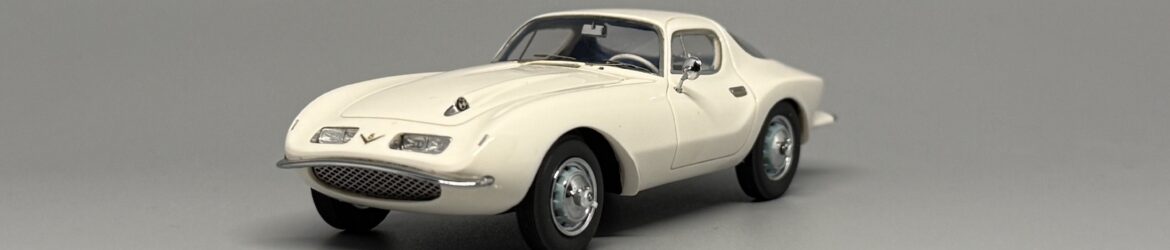
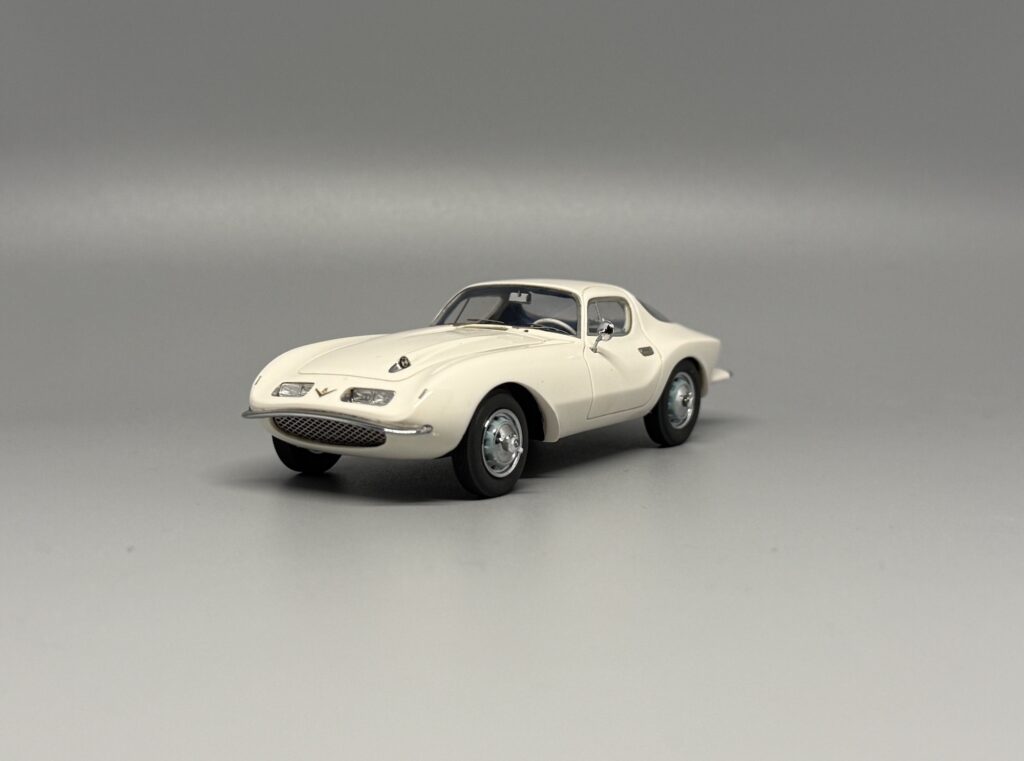
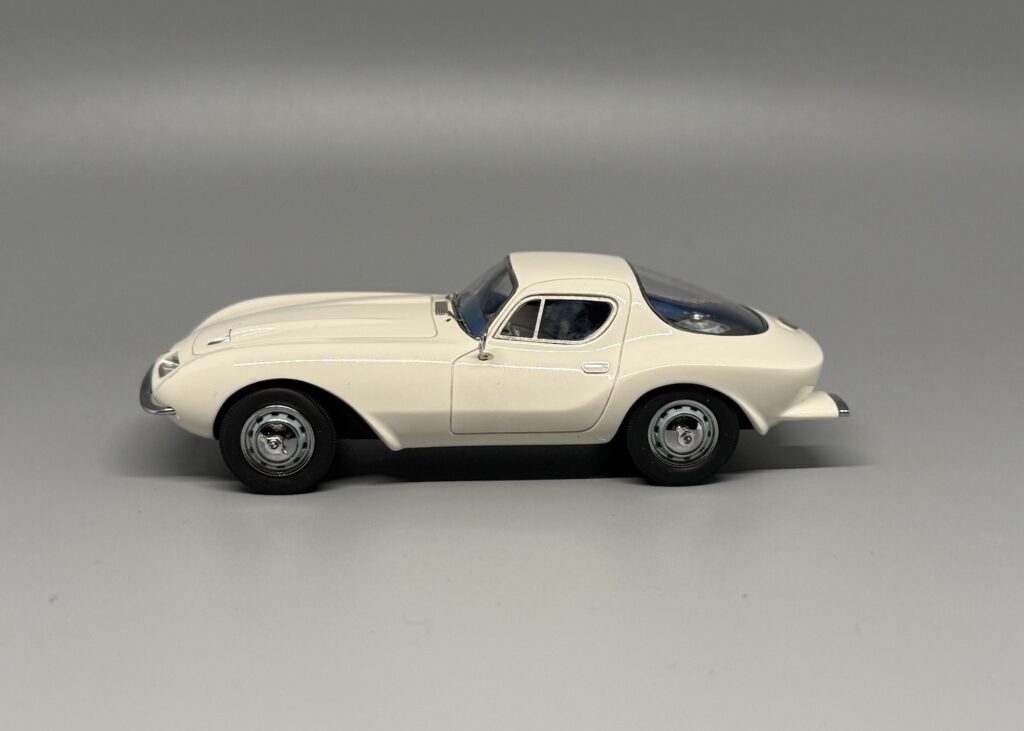
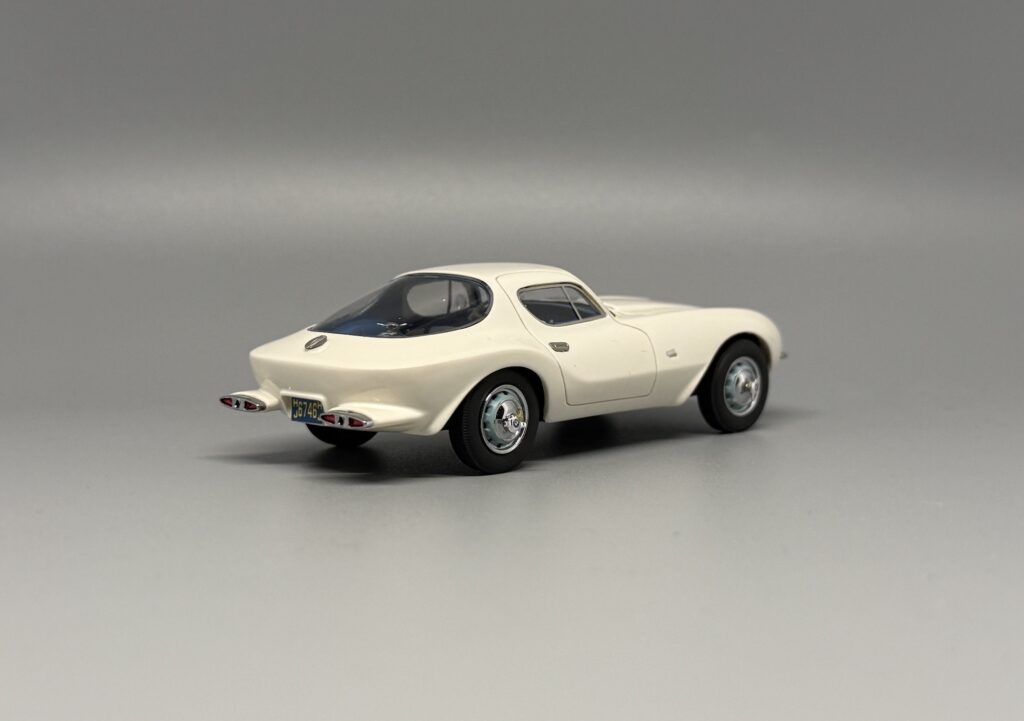
Loewy BMW 507 erines seeriaautost peaaegu täielikult. Klassikalise pika kapoti, avatud Roadsteri kere ja BMW traditsioonilise esiosa asemel sai auto madala ja väga sileda nina, väikesed õhuavad ning kere sisse integreeritud esituled. Külgvaates moodustasid tugevalt väljajoonistatud rattakoopad ja kitsenev keskosa selgelt skulpturaalse vormi. Tagaosa oli lühike ja puhas ning kogu auto jättis pigem futuristliku disainieksperimendi kui traditsioonilise Euroopa sportauto mulje.
Eriline panoraamtuuleklaas
Üks auto tehniliselt ja visuaalselt tähelepanuväärsemaid detaile oli selle suur kumer panoraamtuuleklaas. 1957. aasta ajakirjanduses kirjeldati seda kui esimest Prantsusmaal valmistatud keeruka topeltkumerusega autoklaasi. Koos õhukeste katusesammaste ja laia tagaklaasiga andis see kupeele väga avara klaasipinna ning muutis auto välimuse oma aja kohta erakordselt moodsaks.
1957. aasta Pariisi autonäitus
Valminud BMW 507 Raymond Loewy esitleti 1957. aasta Pariisi autonäitusel Pichon-Parat’ väljapanekus. Auto äratas tähelepanu just seetõttu, et vaatamata BMW 507 tehnilisele alusele oli selle välimus seeriaautost peaaegu tundmatuseni erinev. Loewy ei kavandanud autot BMW uue seeriamudeli ettepanekuna, vaid eelkõige enda isiklikuks sõidukiks ja oma disainifilosoofia demonstratsiooniks.
BMW 507 tehnika
Kere all säilis BMW 507 tehniline alus. Auto kasutas BMW 3168 cm³ V8-mootorit, neljakäigulist manuaalkäigukasti ja tagavedu. Seeria-BMW 507 mootor arendas 150 hj ning auto ametlik tippkiirus oli umbes 205 km/h. Loewy erikerega auto täpse mootori seadistuse ja jõudlusnäitajate kohta leidub allikates erinevaid andmeid, mistõttu on kõige õigem käsitleda 150 hj näitu BMW 507 seeriamudeli tehnilise lähtepunktina, mitte tingimata erikerega auto eraldi mõõdetud võimsusena.
Loewy isiklik auto
BMW 507 ei olnud Loewy jaoks ainult näituseprojekt. Ta kasutas autot isikliku sõidukina mitu aastat ning sellega sõideti muu hulgas Prantsuse Rivieral. Auto oli Loewy kasutuses kuni 1962. aastani, mil ta annetas selle Los Angeleses asuvale muuseumile, et tema disainitöö oleks esindatud ka Ameerika Ühendriikide läänerannikul. Seetõttu on auto säilinud ning seda on hiljem näidatud ka mitmetel olulistel klassikaliste autode üritustel.
Seos Studebaker Avantiga
Loewy BMW 507 juures võib näha mitmeid vormilisi ideid, mis ilmusid mõni aasta hiljem taas Studebaker Avanti juures. Eriti sarnane on lähenemine madalale võreta esiosale, rõhutatud küljejoonele ja kere skulpturaalsele vormile. BMW 507 ei olnud otseselt Avanti prototüüp, kuid see annab huvitava ülevaate sellest, milliste proportsioonide ja kujundusvõtetega Loewy 1950. aastate lõpus eksperimenteeris.
Ajalooline tähendus
BMW 507 Raymond Loewy tähtsus seisneb eelkõige selles, et ühe auto kaudu kohtuvad kaks väga erinevat disainimaailma. Görtzi originaalne BMW 507 esindab klassikalist ja tasakaalustatud Euroopa Roadsteri elegantsi, Loewy versioon aga palju julgemaid Ameerika ja Euroopa tööstusdisaini mõjutusi. Mõlemad lähtusid samast BMW tehnikast, kuid tulemus oli visuaalselt täiesti erinev. Ainueksemplarina on Loewy 507 üks kõige ebatavalisemaid ja ajalooliselt põnevamaid BMW erikeresid.
Mudel kollektsioonis
Minu kollektsioonis olev mudelauto on AutoCulti toodang ning kujutab 1957. aasta BMW 507 Raymond Loewy erikerega kupeed. Tegemist on piiratud tiraažiga mudeliga, mida valmistati kokku 333 eksemplari.
Tehnilised andmed lühidalt
Aasta: 1957
Alus: BMW 507
Šassiinumber: 70024
Disainer: Raymond Loewy
Kere valmistaja: Pichon-Parat, Sens, Prantsusmaa
Keretüüp: kaheistmeline erikerega kupee
Kere materjal: klaaskiudplast
Mootor: V8
Töömaht: 3168 cm³
Seeria-BMW 507 võimsus: 150 hj
Käigukast: 4-käiguline manuaal
Veoskeem: tagavedu
Seeria-BMW 507 tippkiirus: umbes 205 km/h
Tootmisarv: 1 auto
Eripära: Raymond Loewy isiklikuks kasutuseks kujundatud ja Pichon-Parat’ valmistatud ainulaadne BMW 507 erikerega kupee
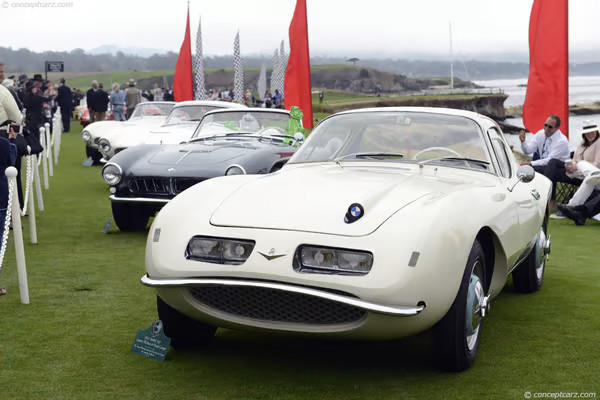
Foto päris autost. Allikas: curbsideclassic.com