BMW 3.0 CSL (E9) on üks kõige legendaarsemaid klassikalisi BMW kupeesid ja paljude jaoks kogu margi ajaloo üks olulisemaid sportmudeleid. Mudel toodi turule 1971. aastal homologatsiooniversioonina, et võimaldada BMW-l osaleda edukamalt turismiautode võidusõidus. Tähis CSL tuli saksakeelsest väljendist Coupé Sport Leichtbau ning viitas auto kergkonstruktsioonile, mis saavutati muu hulgas alumiiniumist kerepaneelide, õhema varustuse ja väiksema massi abil. Just 3.0 CSL kinnistas BMW kuvandi sportliku ja võidusõidust mõjutatud luksuskupeede tootjana.
Tehniliselt kasutati BMW 3.0 CSL-il tootmisaja jooksul mitut arendusastet. Varased versioonid said 180 hobujõulise karburaatormootori, hilisemad sissepritsega mudelid arendasid 200 hobujõudu ning lõppversioonid kuni 206 hobujõudu. 3.0 CSL oli oluline mitte ainult oma kerge konstruktsiooni ja tugeva jõudluse tõttu, vaid ka seetõttu, et sellest kujunes üks BMW võidusõiduajaloo sümboleid. Kokku toodeti 3.0 CSL-i 1265 eksemplari, mis teeb sellest ka tänapäeval väga ihaldusväärse klassiku.
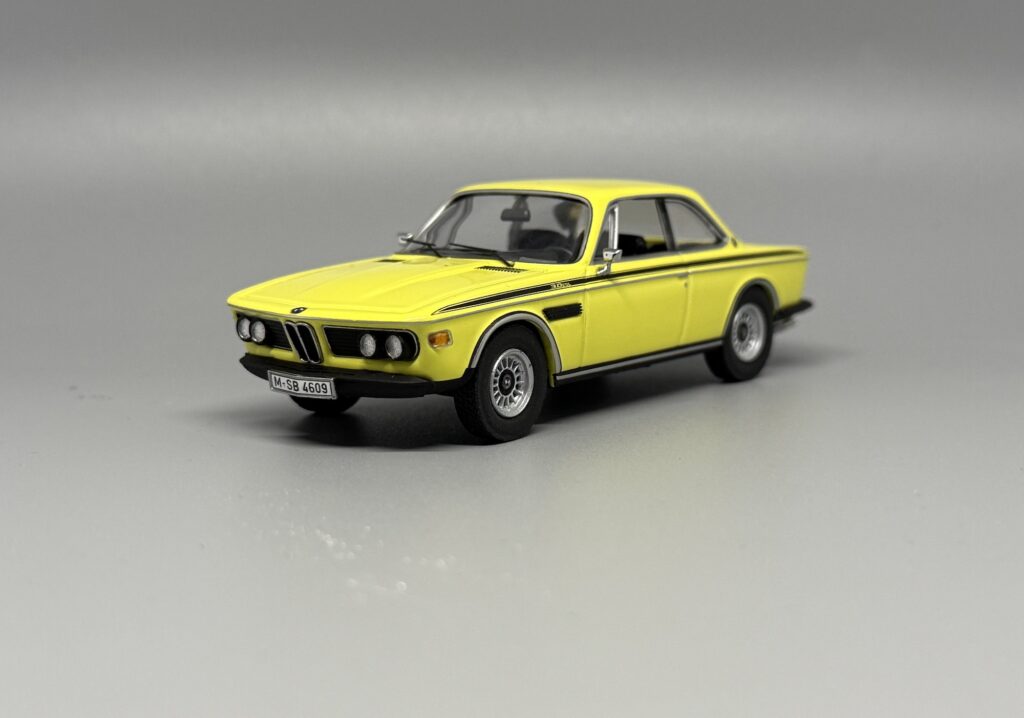
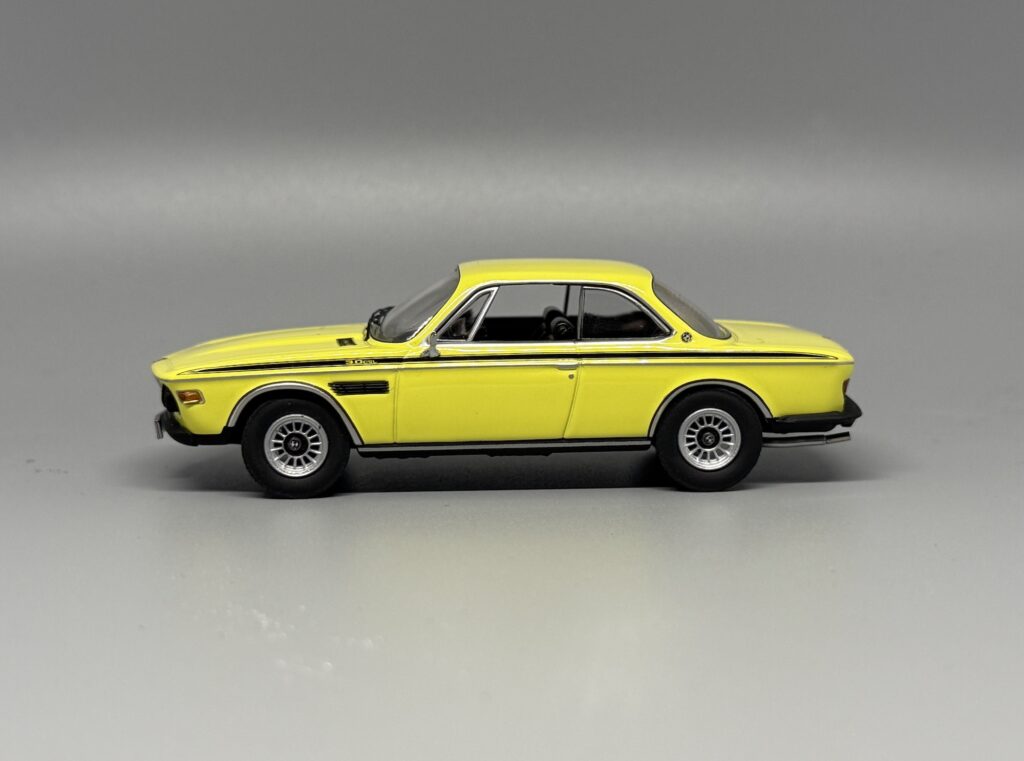
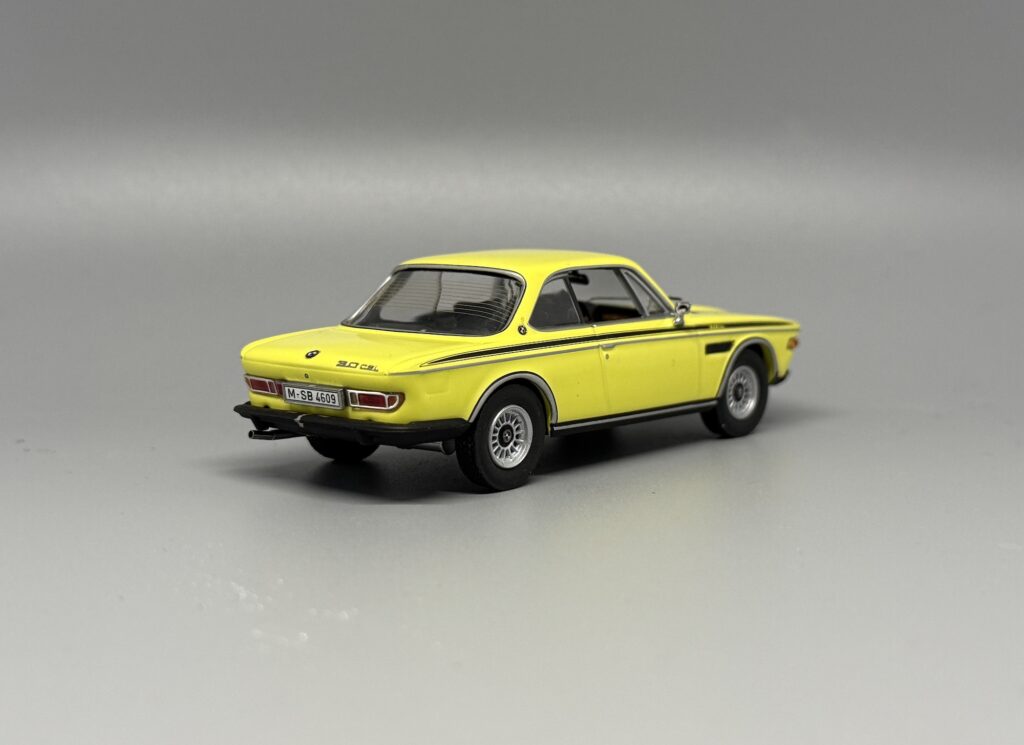
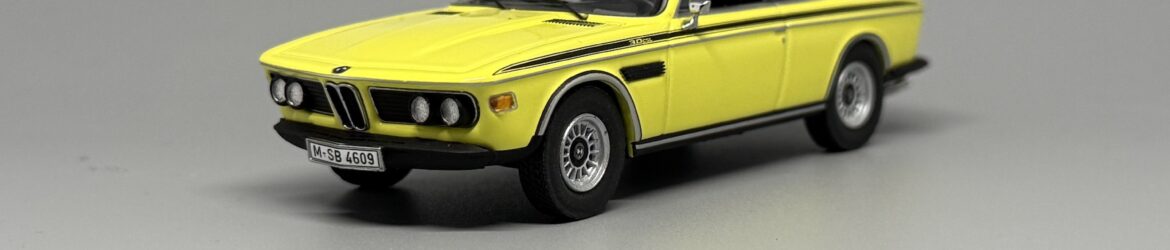
Minu kollektsioonis olev mudel on Schuco toodang. Tegemist on piiratud tiraažiga ning mudelit toodeti 1000 eksemplari.
Tehnilised andmed lühidalt:
Tootmisaeg: 1971–1975
Tootmiskoht: Saksamaa, BMW E9 mudelipere
Mootor: 3,0–3,2 l ridakuus
Võimsus: 180–206 hj
Tootmisarv: 1265 autot
Eripära: kergekonstruktsiooniga homologatsioonimudel ja üks BMW ajaloo kuulsamaid võidusõidupäraseid kupeesid
The BMW 3.0 CSL (E9) is one of the most legendary classic BMW coupés and, for many enthusiasts, one of the most important sporting models in the brand’s history. It was introduced in 1971 as a homologation model, allowing BMW to compete more effectively in touring car racing. The CSL designation came from the German term Coupé Sport Leichtbau and referred to the car’s lightweight construction, achieved through measures such as aluminium body panels, reduced equipment and lower overall weight. The 3.0 CSL played a major role in establishing BMW’s image as a maker of sporting, motorsport-influenced luxury coupés.
Technically, the BMW 3.0 CSL went through several development stages during its production life. Early versions used a carburetted engine with 180 horsepower, later fuel-injected models produced 200 horsepower, and the final versions reached up to 206 horsepower. The 3.0 CSL became important not only because of its lightweight construction and strong performance, but also because it turned into one of the defining symbols of BMW’s racing history. A total of 1,265 examples were built, making it a highly desirable classic today.
The model in my collection is produced by Schuco. It is a limited edition of 1,000 pieces.
Technical data at a glance:
Production period: 1971–1975
Production location: Germany, BMW E9 model family
Engine: 3.0–3.2-litre inline-six
Power output: 180–206 hp
Production total: 1,265 cars
Special feature: lightweight homologation model and one of the most famous racing-inspired coupés in BMW history
BMW 3.0 CSL (E9) on üks kõige legendaarsemaid klassikalisi BMW kupeesid ja paljude jaoks kogu margi ajaloo üks olulisemaid sportmudeleid. Mudel toodi turule 1971. aastal homologatsiooniversioonina, et võimaldada BMW-l osaleda edukamalt turismiautode võidusõidus. Tähis CSL tuli saksakeelsest väljendist Coupé Sport Leichtbau ning viitas auto kergkonstruktsioonile, mis saavutati muu hulgas alumiiniumist kerepaneelide, õhema varustuse ja väiksema massi abil. Just 3.0 CSL kinnistas BMW kuvandi sportliku ja võidusõidust mõjutatud luksuskupeede tootjana.
Tehniliselt kasutati BMW 3.0 CSL-il tootmisaja jooksul mitut arendusastet. Varased versioonid said 180 hobujõulise karburaatormootori, hilisemad sissepritsega mudelid arendasid 200 hobujõudu ning lõppversioonid kuni 206 hobujõudu. 3.0 CSL oli oluline mitte ainult oma kerge konstruktsiooni ja tugeva jõudluse tõttu, vaid ka seetõttu, et sellest kujunes üks BMW võidusõiduajaloo sümboleid. Kokku toodeti 3.0 CSL-i 1265 eksemplari, mis teeb sellest ka tänapäeval väga ihaldusväärse klassiku.
Minu kollektsioonis olev mudel on Schuco toodang. Tegemist on piiratud tiraažiga ning mudelit toodeti 1000 eksemplari.
Tehnilised andmed lühidalt:
Tootmisaeg: 1971–1975
Tootmiskoht: Saksamaa, BMW E9 mudelipere
Mootor: 3,0–3,2 l ridakuus
Võimsus: 180–206 hj
Tootmisarv: 1265 autot
Eripära: kergekonstruktsiooniga homologatsioonimudel ja üks BMW ajaloo kuulsamaid võidusõidupäraseid kupeesid
The BMW 3.0 CSL (E9) is one of the most legendary classic BMW coupés and, for many enthusiasts, one of the most important sporting models in the brand’s history. It was introduced in 1971 as a homologation model, allowing BMW to compete more effectively in touring car racing. The CSL designation came from the German term Coupé Sport Leichtbau and referred to the car’s lightweight construction, achieved through measures such as aluminium body panels, reduced equipment and lower overall weight. The 3.0 CSL played a major role in establishing BMW’s image as a maker of sporting, motorsport-influenced luxury coupés.
Technically, the BMW 3.0 CSL went through several development stages during its production life. Early versions used a carburetted engine with 180 horsepower, later fuel-injected models produced 200 horsepower, and the final versions reached up to 206 horsepower. The 3.0 CSL became important not only because of its lightweight construction and strong performance, but also because it turned into one of the defining symbols of BMW’s racing history. A total of 1,265 examples were built, making it a highly desirable classic today.
The model in my collection is produced by Schuco. It is a limited edition of 1,000 pieces.
Technical data at a glance:
Production period: 1971–1975
Production location: Germany, BMW E9 model family
Engine: 3.0–3.2-litre inline-six
Power output: 180–206 hp
Production total: 1,265 cars
Special feature: lightweight homologation model and one of the most famous racing-inspired coupés in BMW history
Foto päris autost. Allikas: bmwblog.com
Photo of the real car. Source: bmwblog.com