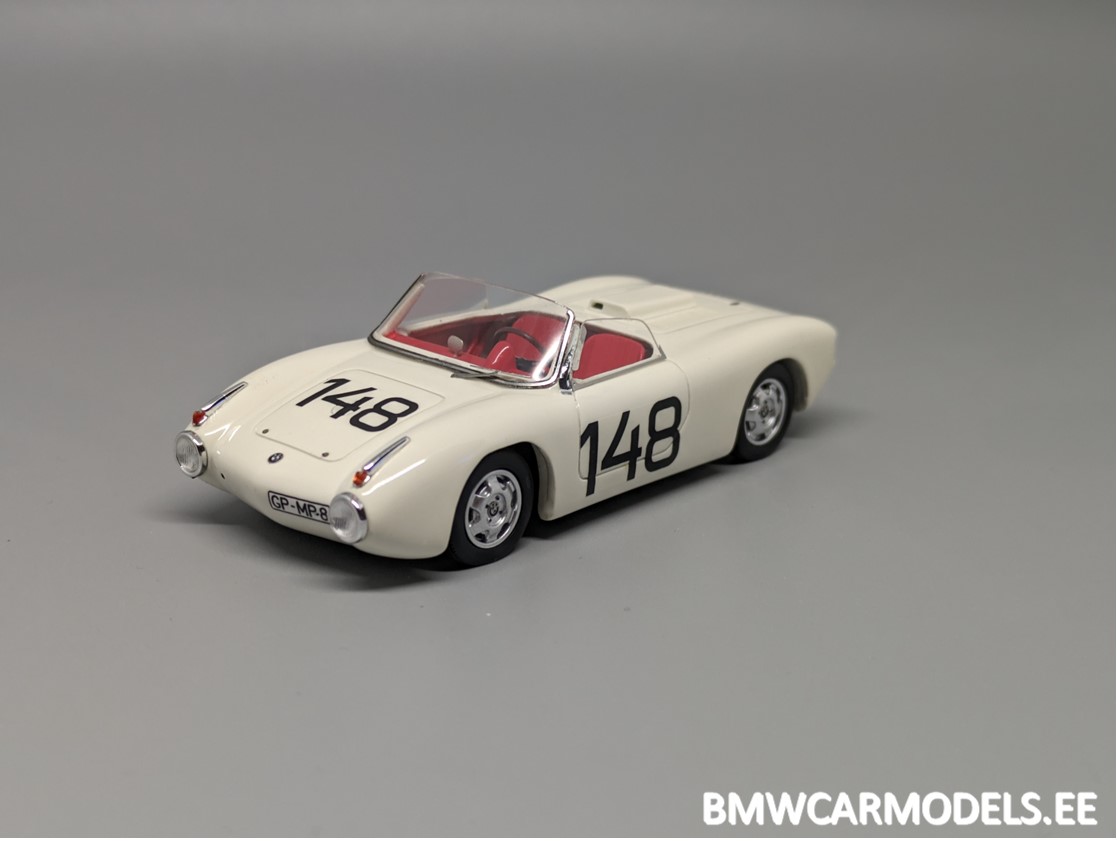
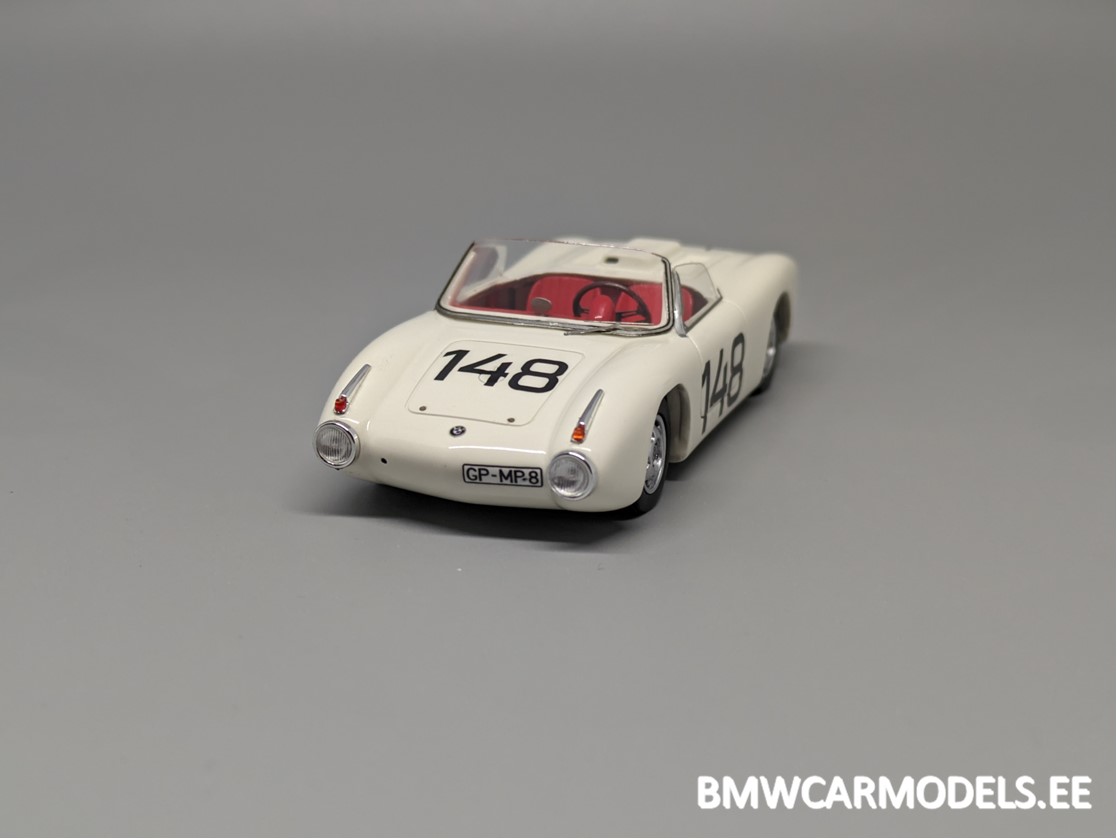
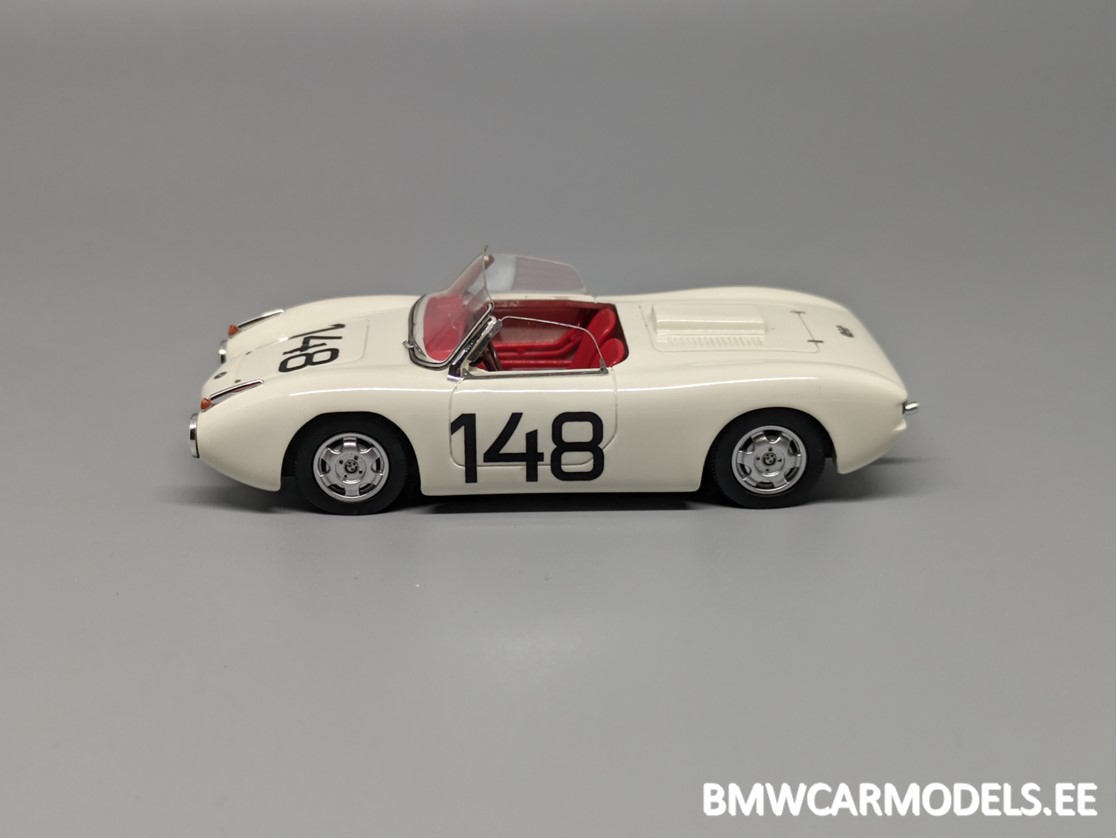
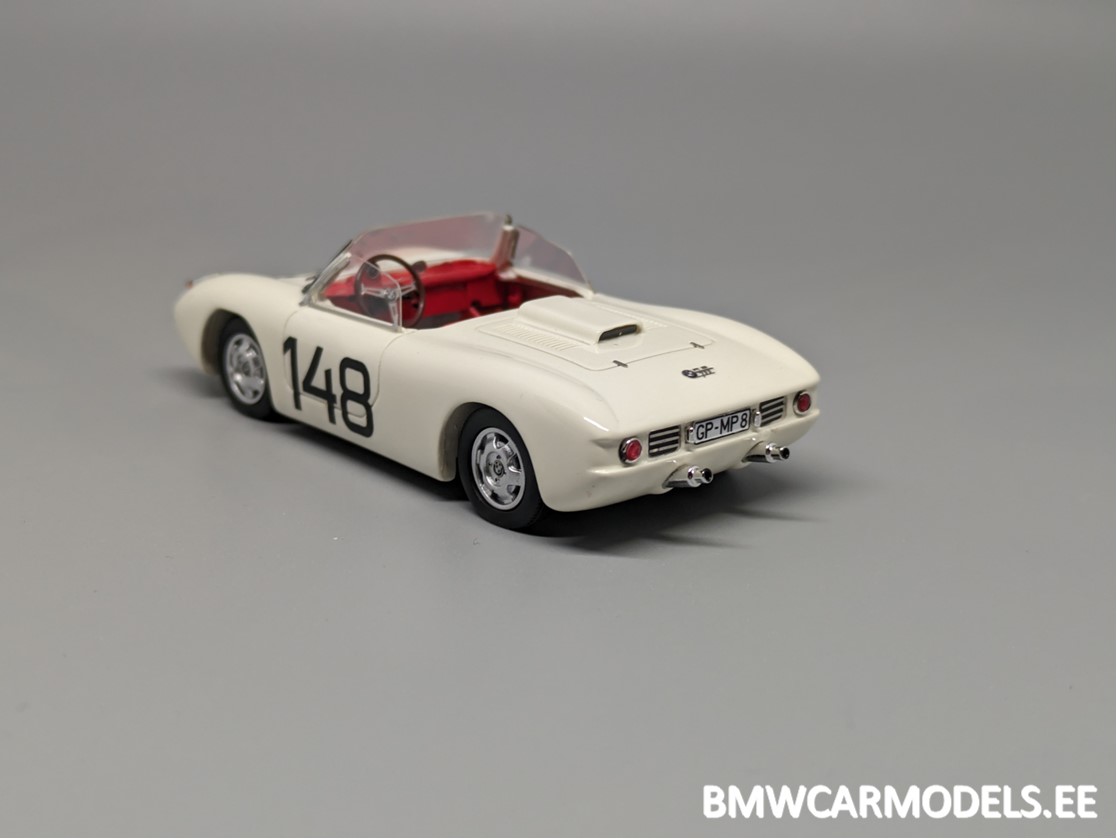
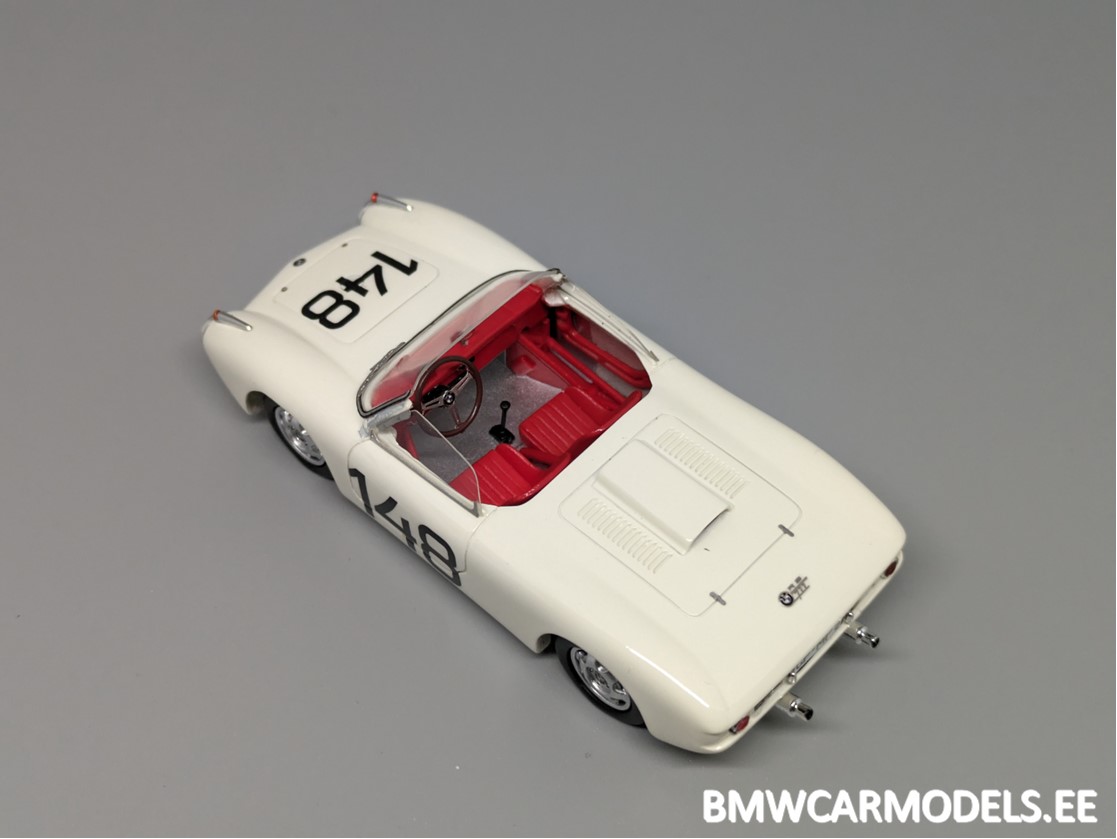
BMW 700 RS oli väike, kuid väga oluline võidusõiduauto, millega BMW näitas 1960. aastate alguses, et ka kerge konstruktsiooni ja väikese töömahuga sportauto võib olla tõsiseltvõetav konkurent. Tegemist oli BMW 700 baasil loodud spetsiaalse võistlusautoga, millel oli toruraam, kerge alumiiniumkere ja väga madal roadsteri-kuju. See mudel kuulus aega, mil BMW otsis pärast sõda taas teed sportlikuma ja tehniliselt ambitsioonikama autotootmise suunas. BMW 700 RS seostub tihedalt ka Hans Stucki nimega ning võidusõidunumbrit 148 kandnud auto esindab selle erakordse võidusõidumasina üht tuntumat varianti.
Tehniliselt kasutas BMW 700 RS õhkjahutusega boksermootorit töömahuga 697 cm³, mille võimsus oli umbes 70 hobujõudu. Auto kaalus vaid ligikaudu 500 kilogrammi, mis andis sellele väga hea kaalu ja võimsuse suhte ning muutis selle erakordselt vilkaks. Toruraam, alumiiniumkere ja väga madal mass tegid 700 RS-ist ühe kõige huvitavama BMW varase võidusõiduauto. Kuigi tegu ei olnud suure töömahuga ega võimsa autoga, peitus selle tugevus kerges ehituses, nutikas inseneritöös ja väga heas juhitavuses. Just need omadused annavad BMW 700 RS-ile erilise koha BMW sportautode ja võidusõiduautode ajaloos.
Minu kollektsioonis olev Autoculti mudelauto pärineb piiratud tiraažist, kokku toodeti 333 eksemplari.
Tehnilised andmed lühidalt:
Tootmisaeg: 1960–1961
Tootmiskoht: Saksamaa
Mootor: 0,7 l boksermootor, 697 cm³
Võimsus: 70 hj
Tootmisarv: 2 autot
Eripära: äärmiselt kerge toruraami ja alumiiniumkerega BMW võidusõiduauto, mis seostub Hans Stuckiga
The BMW 700 RS was a small but very important racing car that showed in the early 1960s that a lightweight sports car with a small engine could still be a serious competitor. It was a special competition machine based on the BMW 700, featuring a tubular frame, a lightweight aluminium body and a very low roadster shape. The model belonged to a period in which BMW was once again seeking a path toward more sporting and technically ambitious car production after the war. The BMW 700 RS is also closely associated with Hans Stuck, and the car carrying racing number 148 represents one of the best-known versions of this remarkable competition machine.
Technically, the BMW 700 RS used an air-cooled boxer engine with a displacement of 697 cc and an output of around 70 horsepower. The car weighed only about 500 kilograms, which gave it a very favourable power-to-weight ratio and made it exceptionally agile. Its tubular frame, aluminium body and very low mass made the 700 RS one of the most interesting early BMW racing cars. Although it was neither a large-capacity nor especially powerful car, its strength lay in its lightweight construction, clever engineering and very good handling. It is precisely these qualities that give the BMW 700 RS a special place in the history of BMW sports and racing cars.
The AutoCult model car in my collection comes from a limited production run, with 333 pieces produced in total.
Technical data at a glance:
Production period: 1960–1961
Production location: Germany
Engine: 0.7-litre boxer engine, 697 cc
Power output: 70 hp
Production total: 2 cars
Special feature: an extremely lightweight BMW racing car with a tubular frame and aluminium body, associated with Hans Stuck
BMW 700 RS oli väike, kuid väga oluline võidusõiduauto, millega BMW näitas 1960. aastate alguses, et ka kerge konstruktsiooni ja väikese töömahuga sportauto võib olla tõsiseltvõetav konkurent. Tegemist oli BMW 700 baasil loodud spetsiaalse võistlusautoga, millel oli toruraam, kerge alumiiniumkere ja väga madal roadsteri-kuju. See mudel kuulus aega, mil BMW otsis pärast sõda taas teed sportlikuma ja tehniliselt ambitsioonikama autotootmise suunas. BMW 700 RS seostub tihedalt ka Hans Stucki nimega ning võidusõidunumbrit 148 kandnud auto esindab selle erakordse võidusõidumasina üht tuntumat varianti.
Tehniliselt kasutas BMW 700 RS õhkjahutusega boksermootorit töömahuga 697 cm³, mille võimsus oli umbes 70 hobujõudu. Auto kaalus vaid ligikaudu 500 kilogrammi, mis andis sellele väga hea kaalu ja võimsuse suhte ning muutis selle erakordselt vilkaks. Toruraam, alumiiniumkere ja väga madal mass tegid 700 RS-ist ühe kõige huvitavama BMW varase võidusõiduauto. Kuigi tegu ei olnud suure töömahuga ega võimsa autoga, peitus selle tugevus kerges ehituses, nutikas inseneritöös ja väga heas juhitavuses. Just need omadused annavad BMW 700 RS-ile erilise koha BMW sportautode ja võidusõiduautode ajaloos.
Minu kollektsioonis olev Autoculti mudelauto pärineb piiratud tiraažist, kokku toodeti 333 eksemplari.
Tehnilised andmed lühidalt:
Tootmisaeg: 1960–1961
Tootmiskoht: Saksamaa
Mootor: 0,7 l boksermootor, 697 cm³
Võimsus: 70 hj
Tootmisarv: 2 autot
Eripära: äärmiselt kerge toruraami ja alumiiniumkerega BMW võidusõiduauto, mis seostub Hans Stuckiga
The BMW 700 RS was a small but very important racing car that showed in the early 1960s that a lightweight sports car with a small engine could still be a serious competitor. It was a special competition machine based on the BMW 700, featuring a tubular frame, a lightweight aluminium body and a very low roadster shape. The model belonged to a period in which BMW was once again seeking a path toward more sporting and technically ambitious car production after the war. The BMW 700 RS is also closely associated with Hans Stuck, and the car carrying racing number 148 represents one of the best-known versions of this remarkable competition machine.
Technically, the BMW 700 RS used an air-cooled boxer engine with a displacement of 697 cc and an output of around 70 horsepower. The car weighed only about 500 kilograms, which gave it a very favourable power-to-weight ratio and made it exceptionally agile. Its tubular frame, aluminium body and very low mass made the 700 RS one of the most interesting early BMW racing cars. Although it was neither a large-capacity nor especially powerful car, its strength lay in its lightweight construction, clever engineering and very good handling. It is precisely these qualities that give the BMW 700 RS a special place in the history of BMW sports and racing cars.
The AutoCult model car in my collection comes from a limited production run, with 333 pieces produced in total.
Technical data at a glance:
Production period: 1960–1961
Production location: Germany
Engine: 0.7-litre boxer engine, 697 cc
Power output: 70 hp
Production total: 2 cars
Special feature: an extremely lightweight BMW racing car with a tubular frame and aluminium body, associated with Hans Stuck
Foto päris autost. Allikas: supercars.net.
Photo of the actual car. Source: supercars.net.