BMW 320i (E30) kuulus teise põlvkonna 3. seeriasse ning oli üks neist mudelitest, mis aitas kinnistada E30 staatuse BMW ajaloo ühe kõige olulisema ja armastatuma mudelipõlvkonnana. E30 jõudis turule 1982. aastal ning viis 3. seeria edasi moodsamasse, ruumikamasse ja tehniliselt küpsemasse ajastusse, säilitades samal ajal margile omase juhikeskse iseloomu. 320i paiknes mudelivalikus neljasilindriliste versioonide kohal ja pakkus kuuesilindrilise mootoriga juba selgelt rafineeritumat ja jõulisemat sõidukogemust. 1989. aasta auto esindab E30 hilisemat tootmisperioodi, mil see mudel oli juba täielikult kinnistanud oma koha sportliku keskklassi etalonina.
Tehniliselt kasutas BMW 320i (E30) 2,0-liitrist ridakuue mootorit, mis ühendas sujuva töö, hea pöörlemisvõime ja BMW-le omase tasakaalustatud sõidutunde. Just sellised kuuesilindrilised E30 versioonid tegid selle põlvkonna paljude entusiastide jaoks eriti ihaldusväärseks. E30 tähtsus seisneb selles, et see ühendas klassikalised BMW proportsioonid, tagaveolise arhitektuuri ja laia mudelivaliku üheks väga selge identiteediga tervikuks.
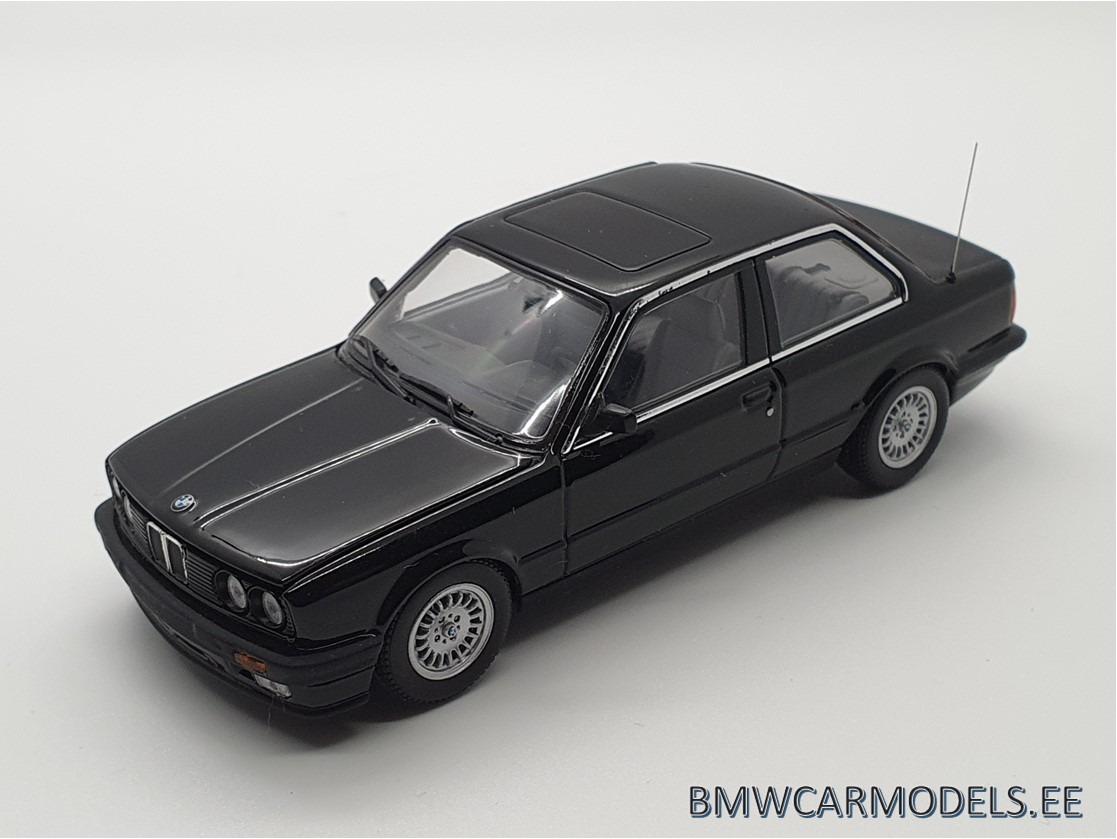
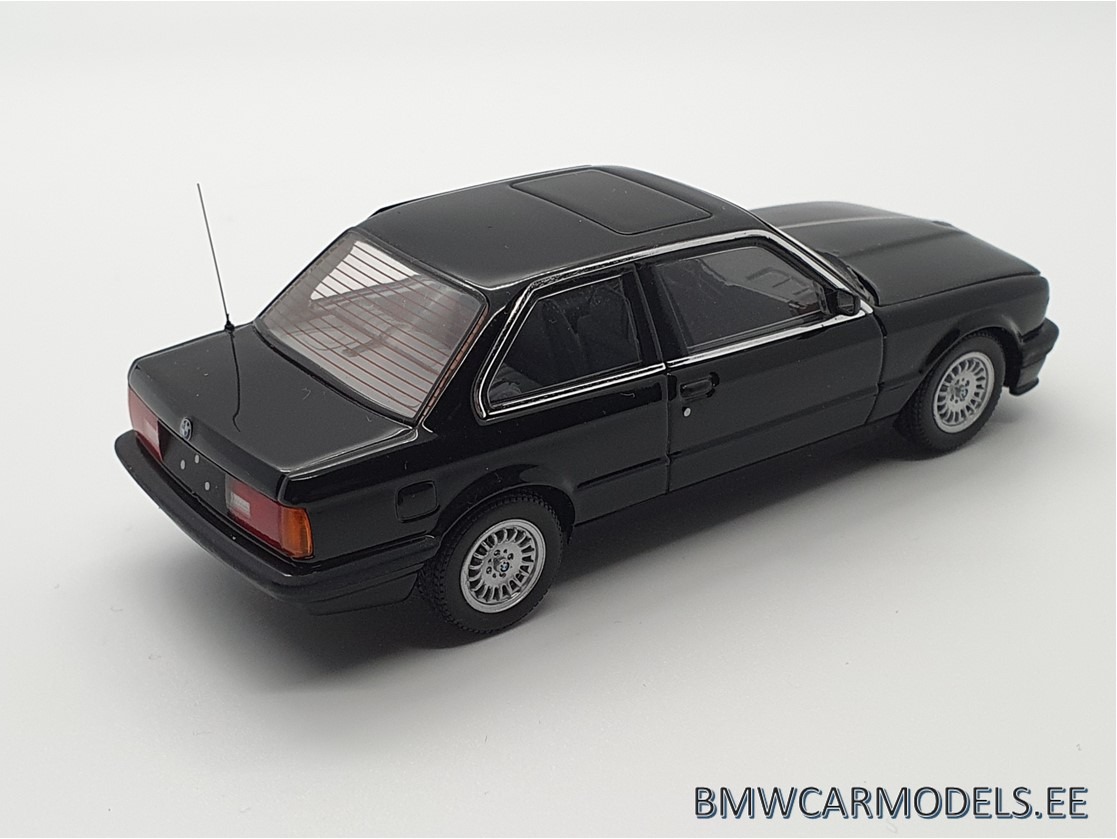
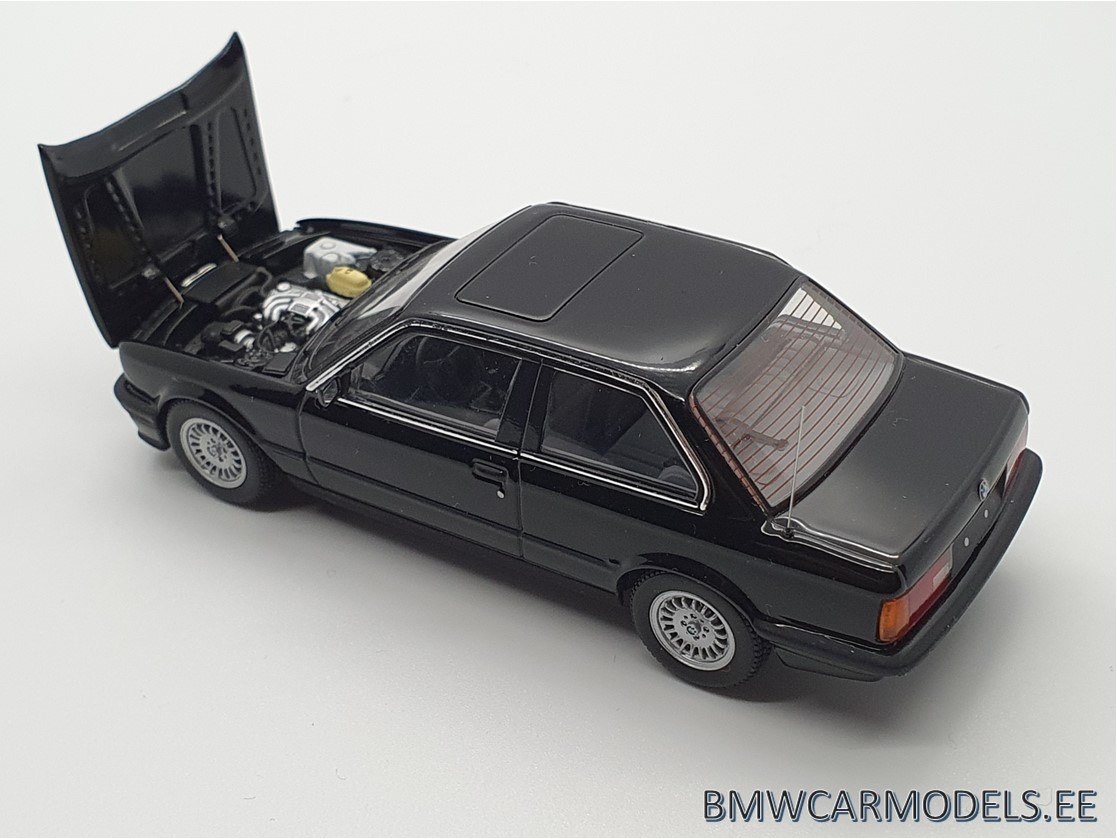
Minu kollektsioonis olev mudel on Minichampsi toodang. Mudelit toodeti 3792 eksemplari ning see kujutab 1989. aasta autot.
Tehnilised andmed lühidalt:
Tootmisaeg: 1982–1991
Tootmiskoht: Saksamaa
Mootor: 2,0 l ridakuus
Võimsus: sõltuvalt versioonist umbes 125–129 hj
Tootmisarv: BMW ei ole 320i eraldi kogutootmisarvu selgelt avaldanud; E30 sedaani ja kupee kereversioone toodeti kokku 2 089 266 autot
Eripära: kuuesilindriline E30, mis pakkus kompaktse 3. seeria juures eriti tasakaalustatud ja rafineeritud sõiduelamust
The BMW 320i (E30) belonged to the second generation of the 3 Series and was one of the models that helped establish the E30 as one of the most important and beloved generations in BMW history. The E30 reached the market in 1982 and moved the 3 Series into a more modern, more spacious and technically more mature era, while still retaining the brand’s traditional driver-focused character. The 320i sat above the four-cylinder versions in the range and, with its six-cylinder engine, already offered a clearly more refined and stronger driving experience. A 1989 car represents the later production period of the E30, by which time the model had fully established itself as a benchmark in the sporting mid-size class.
Technically, the BMW 320i (E30) used a 2.0-litre inline-six, combining smooth operation, a willingness to rev and the balanced driving feel typical of BMW. It was precisely six-cylinder E30 versions like this that made the generation especially desirable for many enthusiasts. The importance of the E30 lies in the way it combined classic BMW proportions, rear-wheel-drive architecture and a broad model range into one family with a very clear identity.
The model in my collection is produced by Minichamps. A total of 3,792 model cars were made, and it represents a 1989 car.
Technical data at a glance:
Production period: 1982–1991
Production location: Germany
Engine: 2.0-litre inline-six
Power output: depending on version, around 125–129 hp
Production total: BMW has not clearly published a separate overall total for the 320i; total production of E30 sedan and coupé body styles reached 2,089,266 cars
Special feature: six-cylinder E30 offering a particularly balanced and refined driving experience in the compact 3 Series
BMW 320i (E30) kuulus teise põlvkonna 3. seeriasse ning oli üks neist mudelitest, mis aitas kinnistada E30 staatuse BMW ajaloo ühe kõige olulisema ja armastatuma mudelipõlvkonnana. E30 jõudis turule 1982. aastal ning viis 3. seeria edasi moodsamasse, ruumikamasse ja tehniliselt küpsemasse ajastusse, säilitades samal ajal margile omase juhikeskse iseloomu. 320i paiknes mudelivalikus neljasilindriliste versioonide kohal ja pakkus kuuesilindrilise mootoriga juba selgelt rafineeritumat ja jõulisemat sõidukogemust. 1989. aasta auto esindab E30 hilisemat tootmisperioodi, mil see mudel oli juba täielikult kinnistanud oma koha sportliku keskklassi etalonina.
Tehniliselt kasutas BMW 320i (E30) 2,0-liitrist ridakuue mootorit, mis ühendas sujuva töö, hea pöörlemisvõime ja BMW-le omase tasakaalustatud sõidutunde. Just sellised kuuesilindrilised E30 versioonid tegid selle põlvkonna paljude entusiastide jaoks eriti ihaldusväärseks. E30 tähtsus seisneb selles, et see ühendas klassikalised BMW proportsioonid, tagaveolise arhitektuuri ja laia mudelivaliku üheks väga selge identiteediga tervikuks.
Minu kollektsioonis olev mudel on Minichampsi toodang. Mudelit toodeti 3792 eksemplari ning see kujutab 1989. aasta autot.
Tehnilised andmed lühidalt:
Tootmisaeg: 1982–1991
Tootmiskoht: Saksamaa
Mootor: 2,0 l ridakuus
Võimsus: sõltuvalt versioonist umbes 125–129 hj
Tootmisarv: BMW ei ole 320i eraldi kogutootmisarvu selgelt avaldanud; E30 sedaani ja kupee kereversioone toodeti kokku 2 089 266 autot
Eripära: kuuesilindriline E30, mis pakkus kompaktse 3. seeria juures eriti tasakaalustatud ja rafineeritud sõiduelamust
The BMW 320i (E30) belonged to the second generation of the 3 Series and was one of the models that helped establish the E30 as one of the most important and beloved generations in BMW history. The E30 reached the market in 1982 and moved the 3 Series into a more modern, more spacious and technically more mature era, while still retaining the brand’s traditional driver-focused character. The 320i sat above the four-cylinder versions in the range and, with its six-cylinder engine, already offered a clearly more refined and stronger driving experience. A 1989 car represents the later production period of the E30, by which time the model had fully established itself as a benchmark in the sporting mid-size class.
Technically, the BMW 320i (E30) used a 2.0-litre inline-six, combining smooth operation, a willingness to rev and the balanced driving feel typical of BMW. It was precisely six-cylinder E30 versions like this that made the generation especially desirable for many enthusiasts. The importance of the E30 lies in the way it combined classic BMW proportions, rear-wheel-drive architecture and a broad model range into one family with a very clear identity.
The model in my collection is produced by Minichamps. A total of 3,792 model cars were made, and it represents a 1989 car.
Technical data at a glance:
Production period: 1982–1991
Production location: Germany
Engine: 2.0-litre inline-six
Power output: depending on version, around 125–129 hp
Production total: BMW has not clearly published a separate overall total for the 320i; total production of E30 sedan and coupé body styles reached 2,089,266 cars
Special feature: six-cylinder E30 offering a particularly balanced and refined driving experience in the compact 3 Series
Foto päris autost. Allikas: auto-data.net.
Photo of the actual car. Source: auto-data.net.