BMW S1 oli üks kõige haruldasemaid ja põnevamaid sõjajärgseid BMW prototüüpe, mis valmis 1949. aastal Eisenachis ajal, mil tehas tegutses Awtowelo nime all. Auto ehitati 2-liitrise võistlusklassi jaoks ning selle eesmärk oli näidata, et sõjajärgses Ida-Saksamaal suudeti jätkata BMW tehnilise pärandi arendamist väga ambitsioonikas vormis. S1 eristus kõigist oma eelkäijatest voolujoonelise ja erakordselt futuristliku kerega, mille all peitus kerge konstruktsioon ja selgelt võidusõidule suunatud olemus. AutoCulti taustakirjelduse järgi vastutas kujunduse eest insener Georg Hufnagel ning S1 jäi üheks kõige tähelepanuväärsemaks Eisenachis loodud katseprojektiks.
Tehniliselt kasutas BMW S1 2,0-liitrist ridakuuest mootorit ning ehitati väga kerge toruraami peale. Käsitsi vormitud alumiiniumkere kattis täielikult rattad ja rõhutas aerodünaamikat, mis andis autole väga erilise kuju isegi 1940. aastate lõpu võidusõiduauto kohta. Auto saavutas 1949. aastal ka võistlusedu ning hiljem muudeti see tänavalegaalseks kaheistmeliseks versiooniks, mida esitleti 1950. aasta Leipzigi messil. Olemasolevad allikad viitavad sellele, et tegemist oli tõenäoliselt üksikeksemplariga, mitte väikeseeriaga.
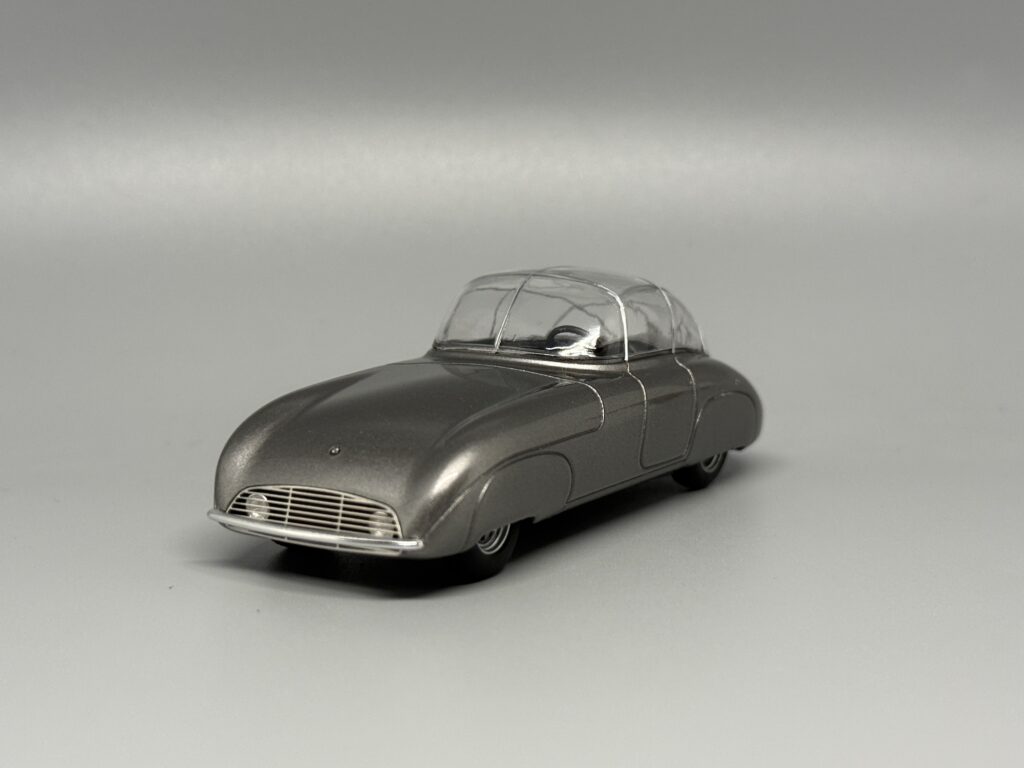
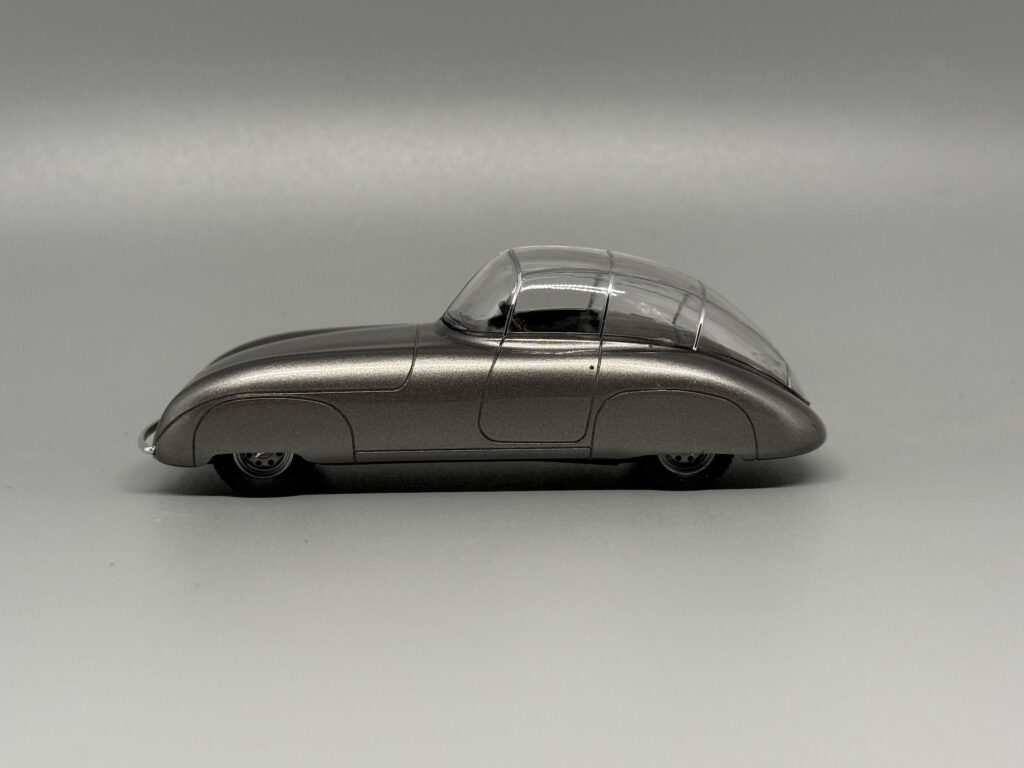
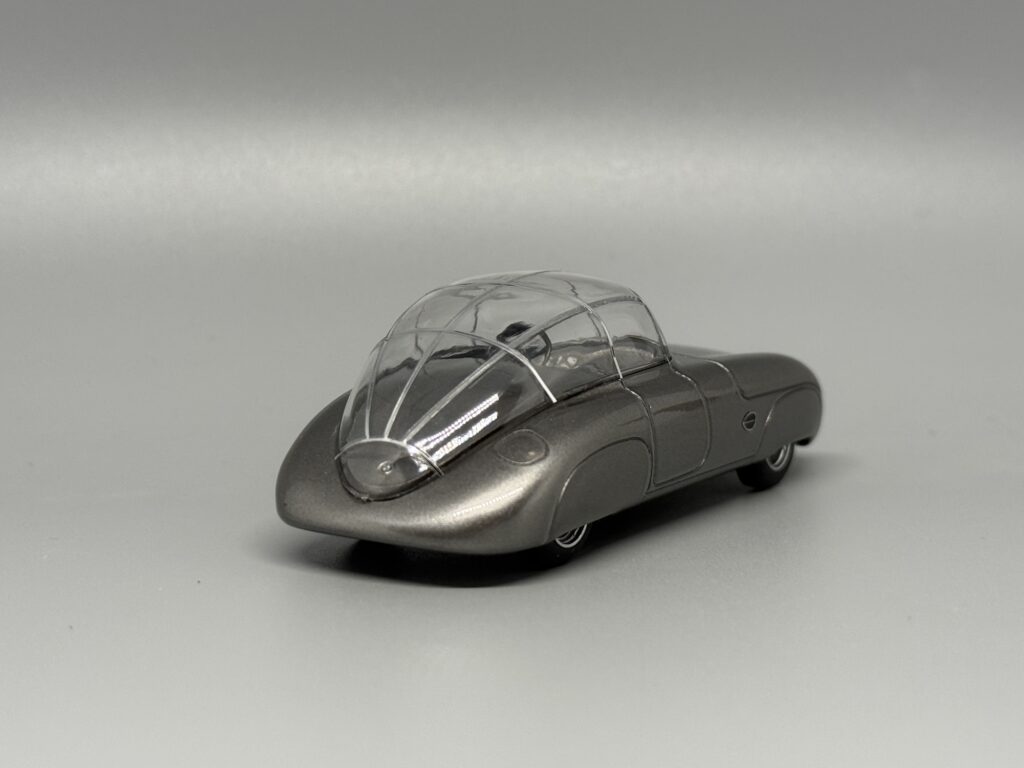
Minu kollektsioonis olev Autoculti mudelauto kujutab 1949. aasta autot ning pärineb piiratud tiraažist, kokku toodeti 333 eksemplari.
Tehnilised andmed lühidalt:
Tootmisaeg: 1949
Tootmiskoht: Eisenach
Mootor: 2,0 l ridakuues
Võimsus: täpne näit vajab täiendavat kinnitust
Tootmisarv: tõenäoliselt 1 auto
Eripära: sõjajärgne voolujooneline võistlusprototüüp, mille aerodünaamilise kere kujundas Georg Hufnagel
The BMW S1 was one of the rarest and most fascinating post-war BMW prototypes, completed in Eisenach in 1949 at a time when the factory operated under the Awtowelo name. The car was built for the 2-litre racing class and was intended to show that BMW’s technical heritage could still be developed in highly ambitious form in post-war East Germany. The S1 stood apart from all its predecessors through its streamlined and exceptionally futuristic body, beneath which lay a lightweight construction and a clearly competition-focused character. According to AutoCult’s background description, the design was created by engineer Georg Hufnagel, and the S1 remains one of the most remarkable experimental projects produced in Eisenach.
Technically, the BMW S1 used a 2.0-litre inline-six engine and was built around a very light tubular frame. Its hand-formed aluminium body fully enclosed the wheels and placed strong emphasis on aerodynamics, giving the car a highly unusual appearance even by the standards of late-1940s racing cars. The car also achieved racing success in 1949 and was later converted into a road-legal two-seat version, which was shown at the Leipzig Fair in 1950. The available sources suggest that it was most likely a one-off rather than a small-series production car.
The AutoCult model car in my collection represents a 1949 car and comes from a limited production run, with 333 pieces produced in total.
Technical data at a glance:
Production period: 1949
Production location: Eisenach
Engine: 2.0-litre inline-six
Power output: exact figure requires further confirmation
Production total: most likely 1 car
Special feature: a post-war streamlined racing prototype with an aerodynamic body designed by Georg Hufnagel

BMW S1 oli üks kõige haruldasemaid ja põnevamaid sõjajärgseid BMW prototüüpe, mis valmis 1949. aastal Eisenachis ajal, mil tehas tegutses Awtowelo nime all. Auto ehitati 2-liitrise võistlusklassi jaoks ning selle eesmärk oli näidata, et sõjajärgses Ida-Saksamaal suudeti jätkata BMW tehnilise pärandi arendamist väga ambitsioonikas vormis. S1 eristus kõigist oma eelkäijatest voolujoonelise ja erakordselt futuristliku kerega, mille all peitus kerge konstruktsioon ja selgelt võidusõidule suunatud olemus. AutoCulti taustakirjelduse järgi vastutas kujunduse eest insener Georg Hufnagel ning S1 jäi üheks kõige tähelepanuväärsemaks Eisenachis loodud katseprojektiks.
Tehniliselt kasutas BMW S1 2,0-liitrist ridakuuest mootorit ning ehitati väga kerge toruraami peale. Käsitsi vormitud alumiiniumkere kattis täielikult rattad ja rõhutas aerodünaamikat, mis andis autole väga erilise kuju isegi 1940. aastate lõpu võidusõiduauto kohta. Auto saavutas 1949. aastal ka võistlusedu ning hiljem muudeti see tänavalegaalseks kaheistmeliseks versiooniks, mida esitleti 1950. aasta Leipzigi messil. Olemasolevad allikad viitavad sellele, et tegemist oli tõenäoliselt üksikeksemplariga, mitte väikeseeriaga.
Minu kollektsioonis olev Autoculti mudelauto kujutab 1949. aasta autot ning pärineb piiratud tiraažist, kokku toodeti 333 eksemplari.
Tehnilised andmed lühidalt:
Tootmisaeg: 1949
Tootmiskoht: Eisenach
Mootor: 2,0 l ridakuues
Võimsus: täpne näit vajab täiendavat kinnitust
Tootmisarv: tõenäoliselt 1 auto
Eripära: sõjajärgne voolujooneline võistlusprototüüp, mille aerodünaamilise kere kujundas Georg Hufnagel
The BMW S1 was one of the rarest and most fascinating post-war BMW prototypes, completed in Eisenach in 1949 at a time when the factory operated under the Awtowelo name. The car was built for the 2-litre racing class and was intended to show that BMW’s technical heritage could still be developed in highly ambitious form in post-war East Germany. The S1 stood apart from all its predecessors through its streamlined and exceptionally futuristic body, beneath which lay a lightweight construction and a clearly competition-focused character. According to AutoCult’s background description, the design was created by engineer Georg Hufnagel, and the S1 remains one of the most remarkable experimental projects produced in Eisenach.
Technically, the BMW S1 used a 2.0-litre inline-six engine and was built around a very light tubular frame. Its hand-formed aluminium body fully enclosed the wheels and placed strong emphasis on aerodynamics, giving the car a highly unusual appearance even by the standards of late-1940s racing cars. The car also achieved racing success in 1949 and was later converted into a road-legal two-seat version, which was shown at the Leipzig Fair in 1950. The available sources suggest that it was most likely a one-off rather than a small-series production car.
The AutoCult model car in my collection represents a 1949 car and comes from a limited production run, with 333 pieces produced in total.
Technical data at a glance:
Production period: 1949
Production location: Eisenach
Engine: 2.0-litre inline-six
Power output: exact figure requires further confirmation
Production total: most likely 1 car
Special feature: a post-war streamlined racing prototype with an aerodynamic body designed by Georg Hufnagel